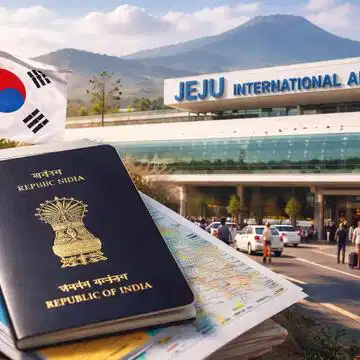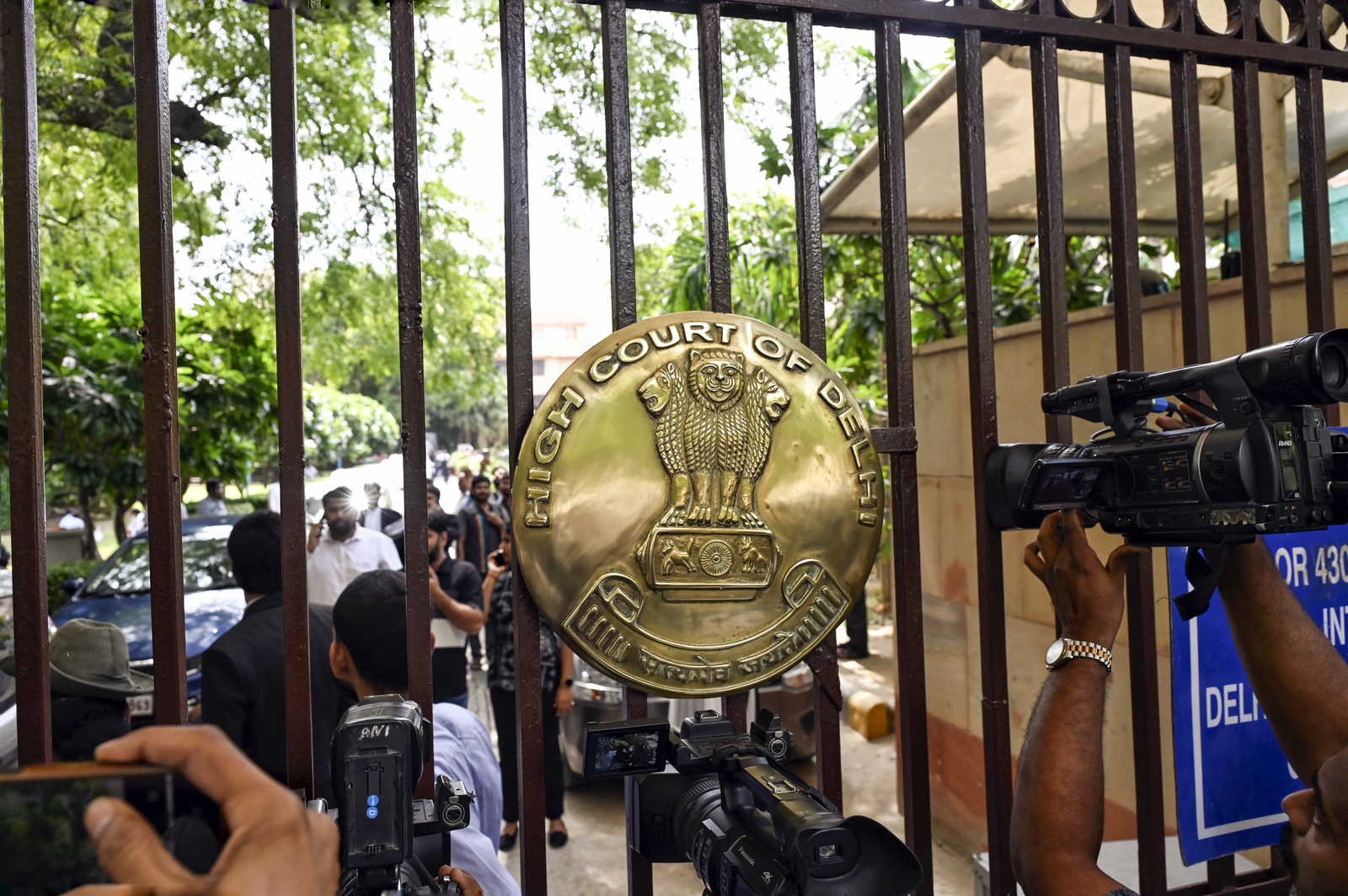
In a significant reaffirmation of personal liberty, the Delhi High Court has held that the right to hold a passport and travel abroad is an integral part of the fundamental right to life and personal liberty under Article 21 of the Constitution. The court stressed that any state action curtailing this right must meet the test of reasonableness and adhere to principles of natural justice.
Court reaffirms scope of Article 21
Justice Purushaindra Kumar Kaurav delivered the ruling while setting aside the Centre’s decision to impound the passport of Yogesh Raheja, former Director of Raheja Developers.
“The right to hold a passport and to travel abroad is an integral facet of the right to personal liberty guaranteed under Article 21 of the Constitution of India,” the court observed. It added that any action by authorities that impinges on such a right must be reasonable and in conformity with the principles of natural justice.
Impounding order found legally unsustainable
Raheja’s passport had been impounded on January 17, 2025, for allegedly failing to disclose the pendency of an FIR against him at the time of applying for renewal in October 2024. His appeal against the decision was rejected on March 25, 2025.
The petitioner’s counsel argued that, as per a 2019 office memorandum issued by the Ministry of External Affairs, mere registration of an FIR does not amount to pendency of criminal proceedings for passport purposes unless a court of competent jurisdiction has taken cognisance of the offence.
The High Court noted that cognisance in the case was taken only in February 2025, a month after the impounding order was passed. Therefore, the reasons cited by the authorities did not withstand judicial scrutiny. “It is evident that the decision passed by the respondents cannot be sustained,” the court held, setting aside both the January 17 and March 25 orders.
Also Read | JNU erupts after ‘Long March’ attempt: 14 arrested, campus lockdown called amid violent clashes
Legal representation and broader implications
The petitioner was represented by senior partner Sandeep Kapur of Karanjawala & Co. The ruling underscores judicial safeguards around passport impounding and reinforces that executive action affecting fundamental rights must strictly adhere to constitutional principles.
The Delhi High Court has once again emphasised that personal liberty cannot be curtailed without lawful and reasonable grounds. The judgment serves as a reminder that administrative decisions must align with constitutional guarantees and procedural fairness.