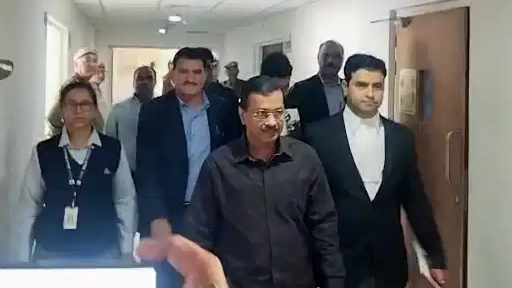
In a major turn in 2026, the Rouse Avenue Court on Friday discharged Aam Aadmi Party (AAP) national convenor and former Delhi Chief Minister Arvind Kejriwal, former Deputy Chief Minister Manish Sisodia and several others, ruling that investigators failed to establish a prima facie case of conspiracy or criminal misconduct. The order effectively collapsed the prosecution at the charge stage, though investigative agencies are expected to challenge the decision.
The Aam Aadmi Party has consistently maintained the case was politically motivated and denied any corruption.
Also Read | Rouse Avenue Court discharges Arvind Kejriwal, Manish Sisodia in Delhi excise policy case
What was the Liquor Policy case?
The Delhi Liquor Policy (Excise Policy) case, often called the "liquor scam", has been one of the biggest political controversies in India since 2022.
It involved allegations that the Delhi government's 2021–22 liquor policy was manipulated to favour private companies in exchange for kickbacks.
In February 2026, a Delhi court discharged Arvind Kejriwal, Manish Sisodia and others, saying there was insufficient evidence of conspiracy or criminal intent.
'Key policies were tweaked'
Investigative agencies alleged that key provisions of the policy were tweaked to benefit select liquor wholesalers and retailers. The CBI and Enforcement Directorate claimed that liquor groups paid kickbacks in exchange for better licensing terms, profit margins, and eased regulations. Investigators stated that a group of businessmen, often called the "South Group", paid about Rs 100 crore in bribes via intermediaries.
In July 2022, Delhi's Lieutenant Governor recommended a probe, after which the policy was scrapped and the government returned to the old system. The investigation soon escalated into arrests of senior AAP leaders.
Former deputy chief minister Manish Sisodia was arrested in 2023, followed by Chief Minister Arvind Kejriwal in 2024, an unprecedented development that intensified the political confrontation between the AAP and the BJP-led Centre.
Discharged but not acquitted
In this, the most important lesson for Kejriwal and the others is the word "discharged", not "acquitted". This means that they not being allowed to proceed to trial as the court did not even find the charges substantial enough to warrant a trial.
Also Read | ED files fresh chargesheet against P Chidambaram, Karti Chidambaram in Aircel-Maxis case
Discharge is not simply a matter of guilt or innocence. It brings the entire proceedings to a close, usually before the trial itself, without even hearing the first witness or testing the first piece of evidence.
A Kashmir-based lawyer, Habeel Iqbal was quoted as saying by Hindustan Times, "It happens before trial begins, before any witness is examined or any evidence tested in court."
HT quoted a senior Supreme Court lawyer Anas Tanwir further clarifying that in some cases, a defendant is discharged before charges are framed as there is no sufficient evidence to make out a prima facie case.
In simpler terms, a case has four broad stages; filing of an FIR or complaint, the police or investigating agency files a chargesheet in the court, the court examines the chargesheet (also known as a 'challan') to determine if there is sufficient prima facie material to warrant further proceedings and the trial takes place, with the aim of reaching a verdict of conviction or acquittal.
In Kejriwal's case, the court has stopped the process at stage three.
Discharge does not preclude the prosecution from filing fresh charges in the future if new evidence emerges or if there is a valid reason to appeal the discharge in a higher court.