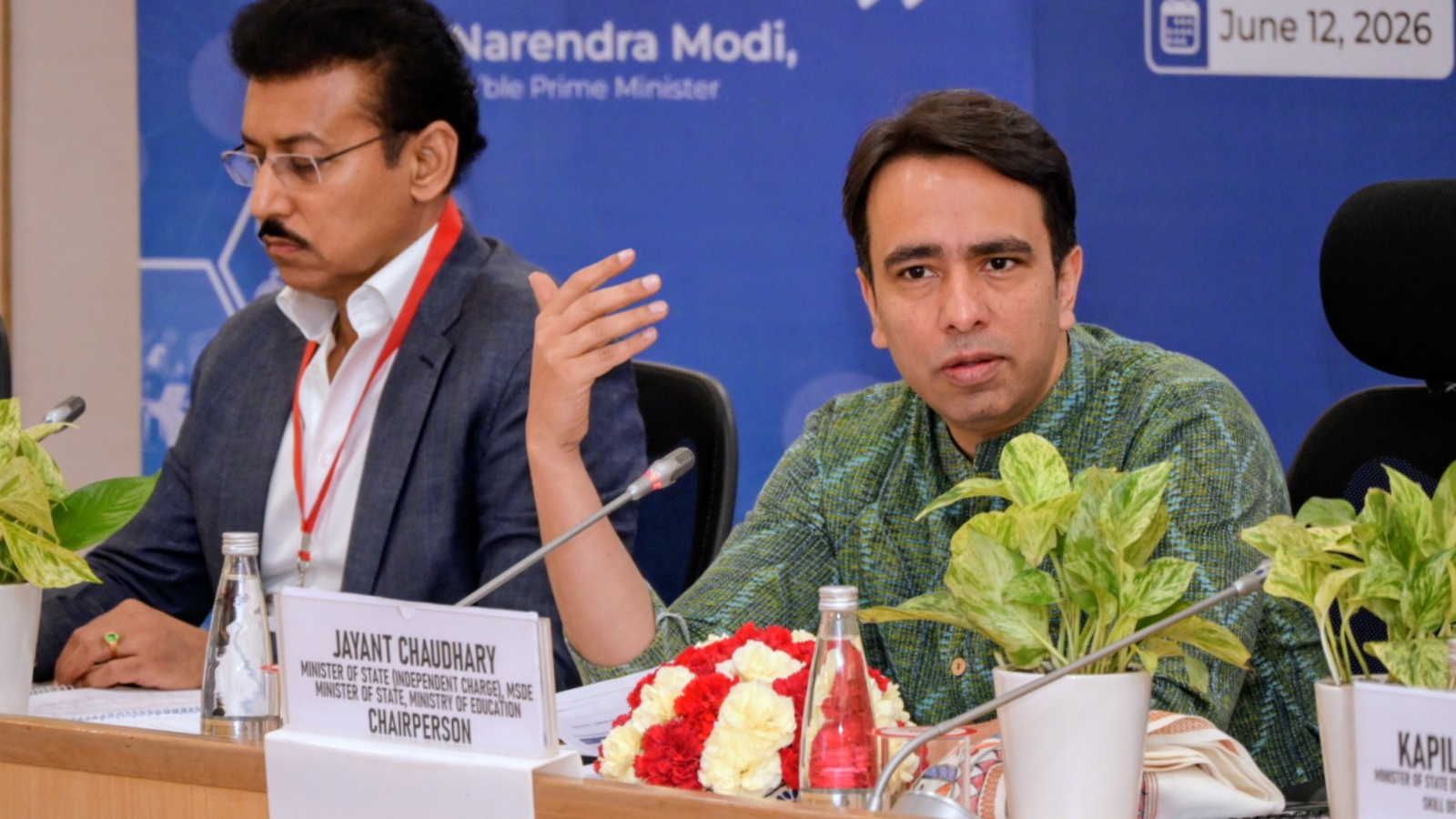
The Ministry of Skill Development and Entrepreneurship (MSDE) on Thursday convened the first meeting of SARTHI: Strategic Advisory and Reforms Taskforce for Holistic ITI Transformation at Vigyan Bhawan in New Delhi, in a move aimed at strengthening vocational education and improving employment opportunities for young people.
Chaired by Union Minister of State (Independent Charge) for Skill Development and Entrepreneurship and Minister of State for Education, Shri Jayant Chaudhary, the meeting brought together state ministers, senior government officials and stakeholders from across India's skilling ecosystem to discuss reforms in Industrial Training Institutes (ITIs).
A new platform for long-term reforms
SARTHI has been established as an apex advisory platform under the Craftsmen Training Scheme (CTS). The initiative aims to create a structured forum where the Centre, states and industry stakeholders can work together to strengthen ITIs and make vocational education more responsive to changing workforce demands.
Also Read | ‘India will give voice to Global South’: PM Modi leaves for France, Slovakia, G7 Summit
Addressing the gathering, Jayant Chaudhary said the platform reflects a collective effort to rethink vocational education in India.
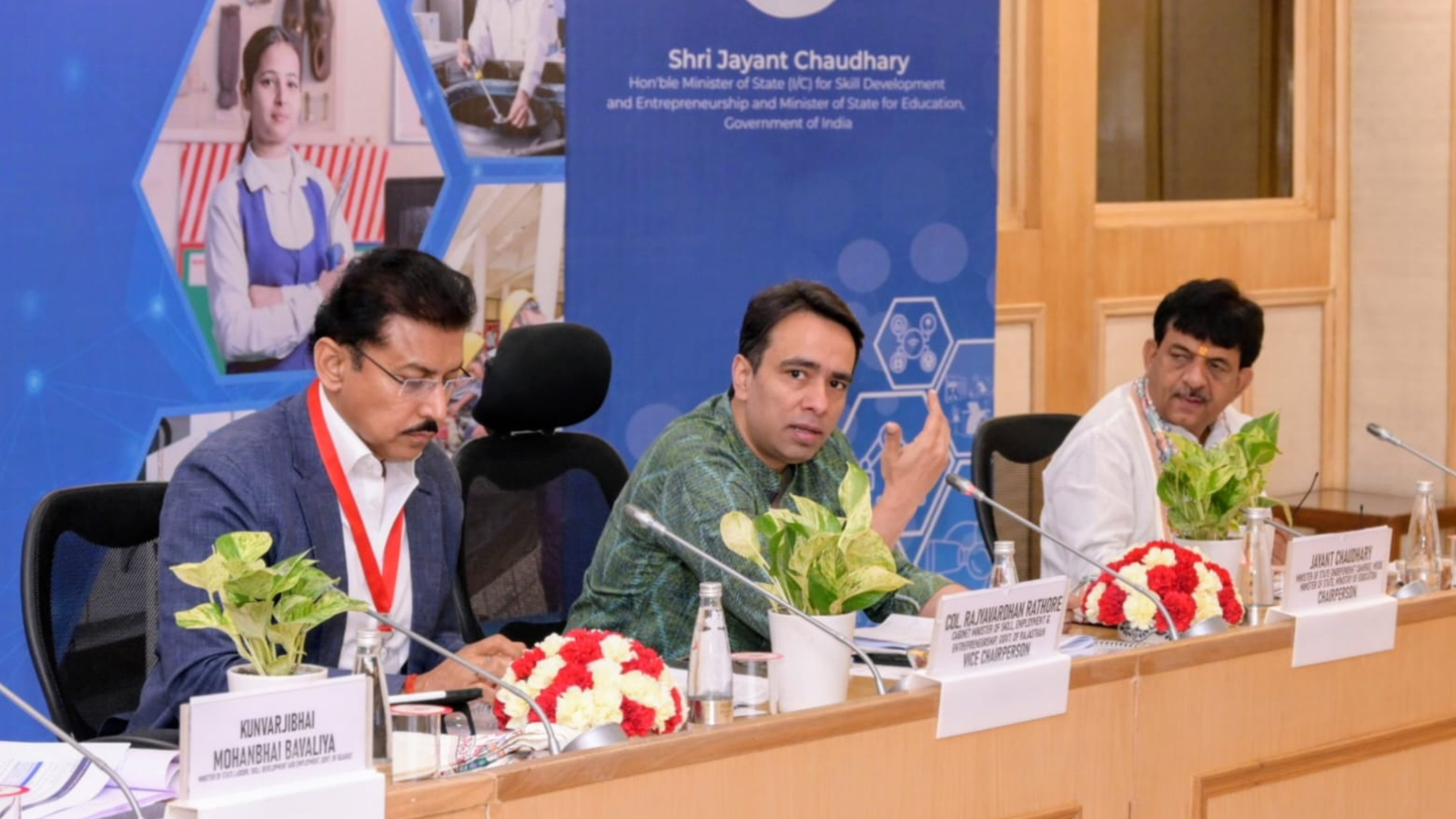 Jayant Chaudhary chairs first SARTHI meeting on skill reforms File Image
 “SARTHI reflects our collective commitment to reimagining vocational education and building an ITI ecosystem that is more dynamic, aspirational and aligned with the opportunities of a changing India,” he said.
The minister noted that several states are already experimenting with innovative approaches in vocational training. According to him, SARTHI will help connect these efforts, encourage knowledge sharing and enable successful models to be adopted on a wider scale.
Focus on industry needs and student aspirations
A major focus of the discussions was ensuring that skilling initiatives remain closely linked to industry requirements and emerging sectors.
“Skilling reforms must remain closely linked to emerging sectors, industry demand and learner aspirations,” Chaudhary said, adding that the goal is to translate policy decisions into implementation at scale while creating high-quality opportunities for young people.
Participants discussed ways to improve institutional performance, strengthen quality assurance systems and enhance assessment processes. Technology-driven solutions for greater efficiency and transparency in ITIs also featured prominently in the deliberations.
Expanding access and inclusion
The meeting also explored measures to increase women's participation in vocational education, expand access through innovative learning models and strengthen connections between education, skilling and employment.
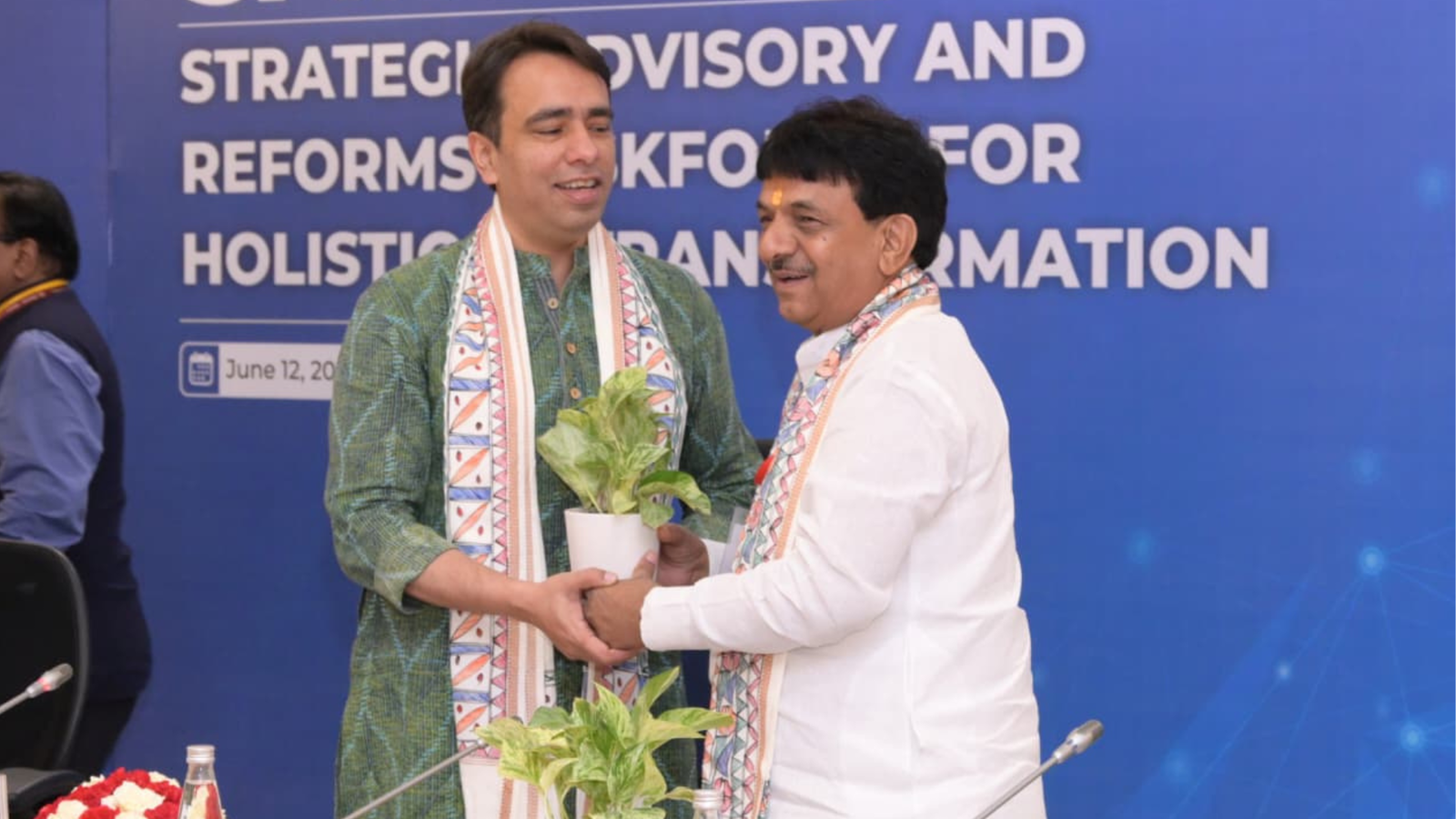 SARTHI aims to make vocational training more industry-focused
 Discussions further covered practical training, entrepreneurship, industry partnerships and governance reforms within ITIs.
The deliberations reflected a shared commitment among stakeholders to build a more inclusive, outcome-oriented and future-ready vocational training ecosystem through continued collaboration between the Centre and the states.
Also Read | Over 1.4 crore kirana stores are going digital — here’s what DigiDukaan promises
Senior officials from the Ministry of Skill Development and Entrepreneurship (MSDE), the Directorate General of Training (DGT), the National Council for Vocational Education and Training (NCVET), the National Skill Development Corporation (NSDC), the University Grants Commission (UGC), Skill Universities, and various state governments also attended the meeting. Among those present were MSDE Secretary Debashree Mukherjee, DGT Director General Dilip Kumar, Economic Advisor Archana Mayaram, Joint Secretary M. Subramanian, and NCVET Executive Member Prof. (Dr.) Ashok Kumar Gaba.
FAQs:
What is SARTHI and why was it launched?
SARTHI was launched by the Centre to drive reforms in ITIs and strengthen India's vocational training ecosystem.
What are the key objectives of the SARTHI initiative?
The initiative aims to improve ITI quality, industry alignment, employability, and access to future-ready skills.