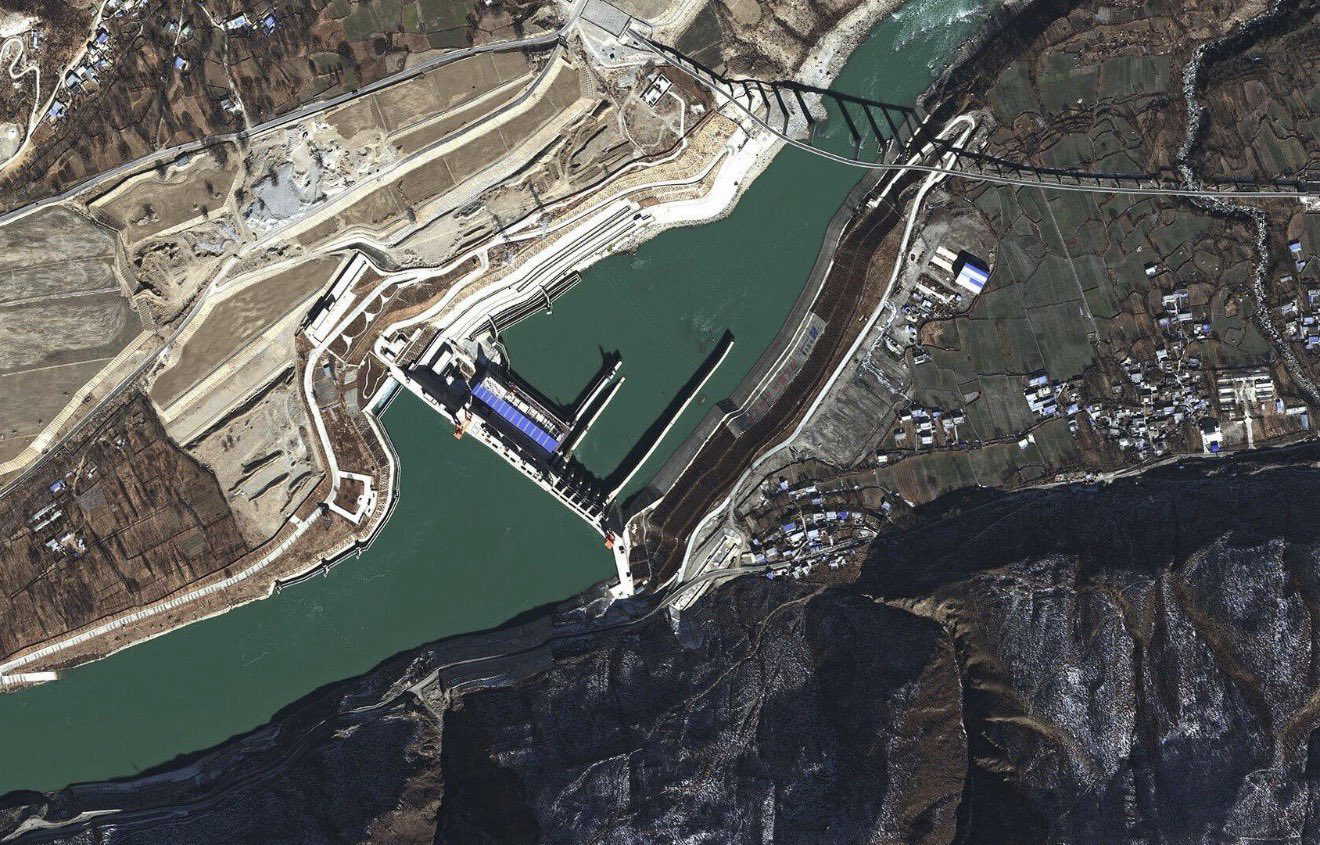
China has begun building the world’s largest hydroelectric dam on the lower reaches of the Yarlung Tsangpo (Brahmaputra) River in Tibet, a site located about 50 km from the Arunachal Pradesh border.
The development has sharpened India’s focus on the Siang Upper Multipurpose Project, or SUMP, an 11,000 MW hydroelectric and flood-control project proposed on the Siang River in Arunachal Pradesh’s Upper Siang and Siang districts.
According to NDTV, the Indian project is being advanced as a strategic response to Beijing’s move, even though it is still at the pre-feasibility stage.
Also Read | One WhatsApp message cost former PM's son Rs 7.68 crore
Today, 110 households from Geku came forward and signed the MoU in support of the Pre-Feasibility Report (PFR) for the Siang Upper Multipurpose Project.
— Pema Khandu པདྨ་མཁའ་འགྲོ་། (@PemaKhanduBJP) June 6, 2026
I congratulate and thank every family that signed the MoU. The people of Geku have shown tremendous courage and vision. Every… pic.twitter.com/jhMiELfGvh
China's dam and India's response
The river is central to the dispute because the Yarlung Tsangpo enters India as the Siang before widening into the Brahmaputra, which supports livelihoods across Arunachal Pradesh and Assam.
The Chinese project, the 60,000 MW Medog Hydropower Project, is already under active construction and is widely understood to dwarf the Indian proposal in scale. By contrast, SUMP has not yet entered construction, and preparatory work has not begun.
India is now trying to accelerate its response while keeping close watch on China’s activity along the contested river.
China has begun building what is expected to be the world's largest hydroelectric dam on the Yarlung Tsangpo River in Tibet, just 50 km from the Indian border. Beyond concerns about water flow and ecology, experts say the project could eventually generate more electricity than…
— The Logical Indian (@LogicalIndians) June 18, 2026
Whitehall-style caution on the Brahmaputra
The center has acknowledged the sensitivity of the issue in a formal written reply to the Lok Sabha, stating that it is “carefully monitoring all activities relating to the Brahmaputra River basin, including Chinese plans for hydropower exploitation,” and that it would take preventive and corrective steps to protect lives and livelihoods downstream.
New Delhi has been pressing Beijing for transparency, data sharing, and prior consultation on transborder river projects, although those requests have produced limited results so far.
SUMP is meant not only to generate power but also to help control seasonal flooding downstream, giving the project both an economic and a geopolitical role.
What is at stake for India?
If the project goes ahead, the Siang dam could produce about 47 billion units of electricity a year. The estimated cost is around $13 billion, or roughly Rs 1.5 lakh crore.
At the same time, the government is stepping up flood forecasts, river monitoring and infrastructure preparedness across the Northeast. The wider concern goes beyond power generation, touching on water security and the impact on communities downstream.
Also Read | How much does it cost to maintain Delhi's giant Tricolours? Here's what we know
FAQs
Q1: What is the Siang Upper Multipurpose Project (SUMP)?
Ans: SUMP is a proposed 11,000 MW hydropower and flood-control project planned on the Siang river in Arunachal Pradesh.
Q2: Why is India advancing the Siang project?
Ans: India views the project as a strategic and water-management response to China's large dam construction on the Yarlung Tsangpo river in Tibet.