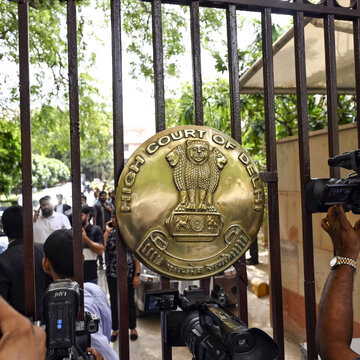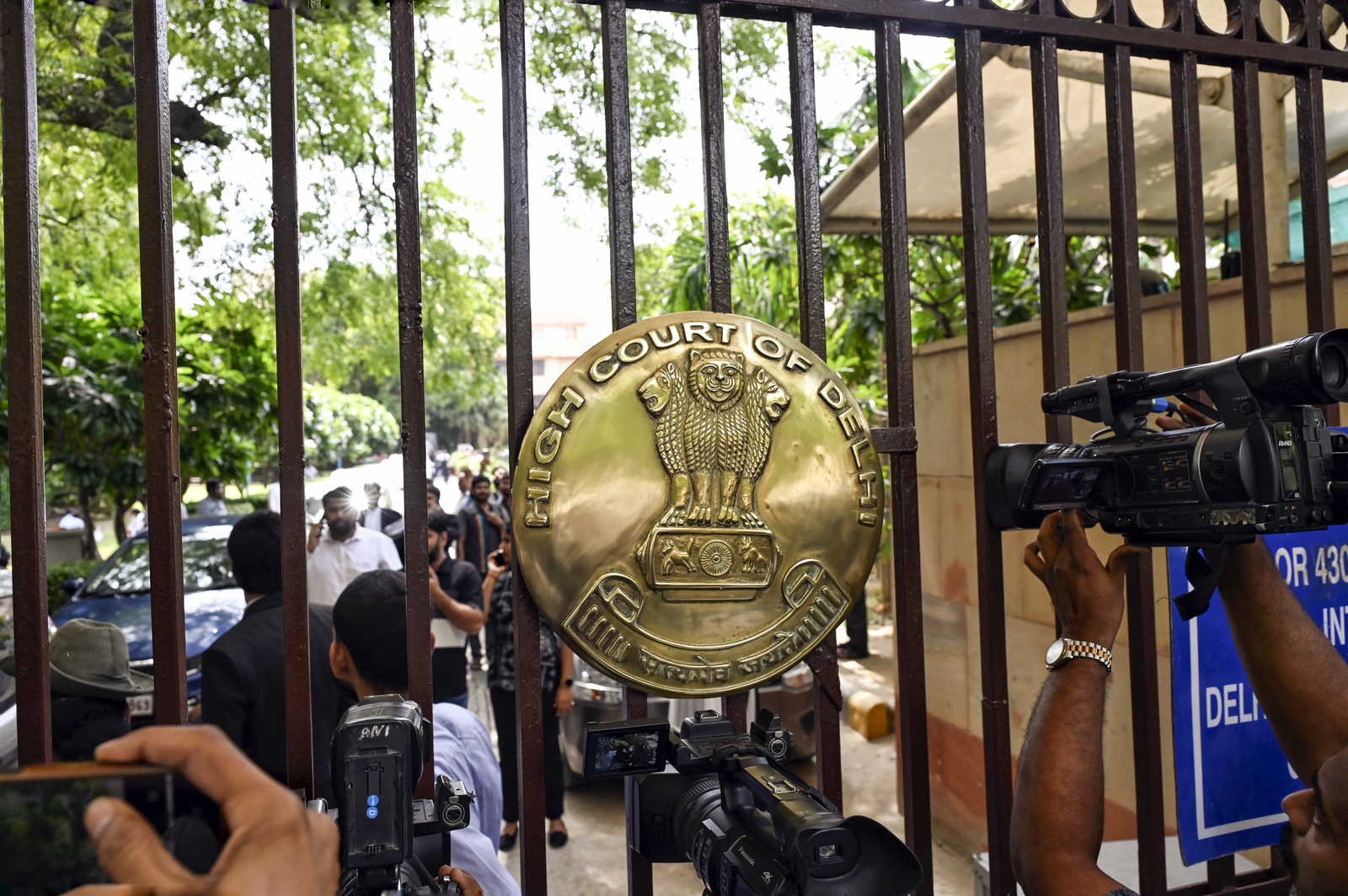
The Delhi High Court on Friday upheld the Centre's decision to temporarily block access to messaging platform Telegram ahead of the National Eligibility Entrance Test (NEET) retest, citing the urgent nature of the situation and the need to safeguard the examination process.
The court ruled that the government had followed the procedure laid down under Section 69A of the Information Technology Act, 2020, which allows authorities to direct intermediaries to block online content under specific circumstances.
"After considering all the arguments, we find that given the emergency nature, the reasons supplied are sufficient and government has followed the procedure in Section 69A," the court said, per a report by NDTV.
Also Read | What makes Telegram so controversial? A look at the app's long history of bans and restrictions
Court finds government's action justified
The High Court also held that both the original blocking order and the Review Committee's decision were reasoned and legally sound.
"The orders are well-founded and supported by reasons. The orders do not suffer from non-application of mind," the court observed.
Per NDTV, rejecting Telegram's challenge, the court agreed with the Centre's argument that the restriction was a temporary and targeted measure intended to prevent misuse of the platform during the NEET re-examination.
"The government's measures are least restrictive. It cannot be held that the order is disproportionate," the court said.
Centre cites exam leak concerns
The government blocked Telegram on Tuesday ahead of the NEET retest scheduled for Sunday. The move followed a controversy over an alleged question paper leak that led to the cancellation of the examination in May.
According to the Centre, Telegram channels were among the platforms allegedly used to circulate examination material. In court, the government argued that the messaging service had become a tool for organised cheating networks involved in the leakage and distribution of NEET papers.
Solicitor General Tushar Mehta, appearing for the Centre, maintained that the decision was taken after careful consideration and was aimed at protecting the integrity of a nationwide examination attended by lakhs of students, reported NDTV.
The government also informed the court that the blocking order had been reviewed by a committee headed by the Cabinet Secretary, which found sufficient grounds to continue the temporary restriction.
Telegram argues against blanket restriction
Senior Advocate Dhruv Mehta, representing Telegram, argued that the order imposed a blanket restriction on a platform used by millions of people.
Also Read | ‘Telegram has become the new dark web’, Centre tells Delhi High Court
The company said it had cooperated with law enforcement agencies and taken action against channels found violating the law. Telegram further contended that less restrictive alternatives were available and that the order failed the constitutional test of proportionality.
Despite these arguments, the court declined to grant relief and upheld the temporary ban until June 22.
FAQs:
Why was Telegram temporarily blocked in India?
The Centre said the platform was allegedly being used to circulate NEET examination material and aid cheating networks.
What did the Delhi High Court rule?
The court upheld the temporary ban, saying the government's action was justified and followed legal procedure.