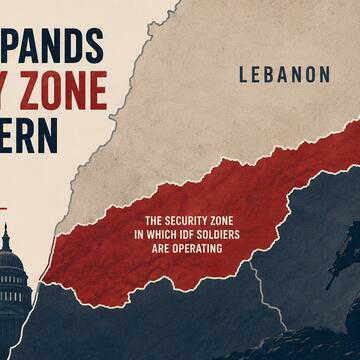
At least 18 people were killed and 33 wounded in Israeli airstrikes across southern Lebanon overnight, according to Lebanon’s health ministry, as hostilities between Israel and Hezbollah intensified despite the recently signed US-Iran interim agreement meant to halt military operations on all fronts, including Lebanon.
The Israeli military said four of its soldiers were killed in fighting in southern Lebanon, making the episode one of the deadliest for Israel in the current conflict.
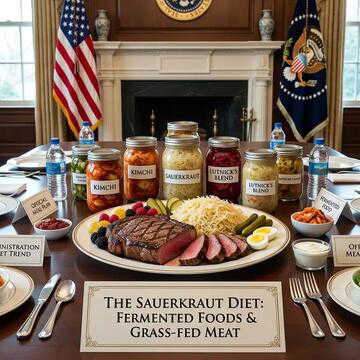
Also Read | Sauerkraut, steak and kimchi: The diet catching on in Trump's circle
⭕️WATCH: A Hezbollah launcher firing rockets toward IDF soldiers
— Israel Defense Forces (@IDF) June 19, 2026
In response to Hezbollah’s repeated & blatant ceasefire violations, the IDF struck 2 Hezbollah command centers in the Beqaa Valley, 80+ terror targets in southern Lebanon and eliminated dozens of Hezbollah… pic.twitter.com/NntfHM87vd
An uneasy night on contested ground
Reuters relayed that the heaviest bombardment was concentrated in 11 towns after midnight, with rescue and evacuation efforts hampered by continued strikes.
In the village of Harouf, northeast of Tyre, seven people were killed, and many more were believed trapped under rubble. A senior Lebanese security source said the fighting was especially intense around Ali al-Taher Hill, a strategically important position north of the Litani River where Hezbollah and Israeli forces have repeatedly clashed.
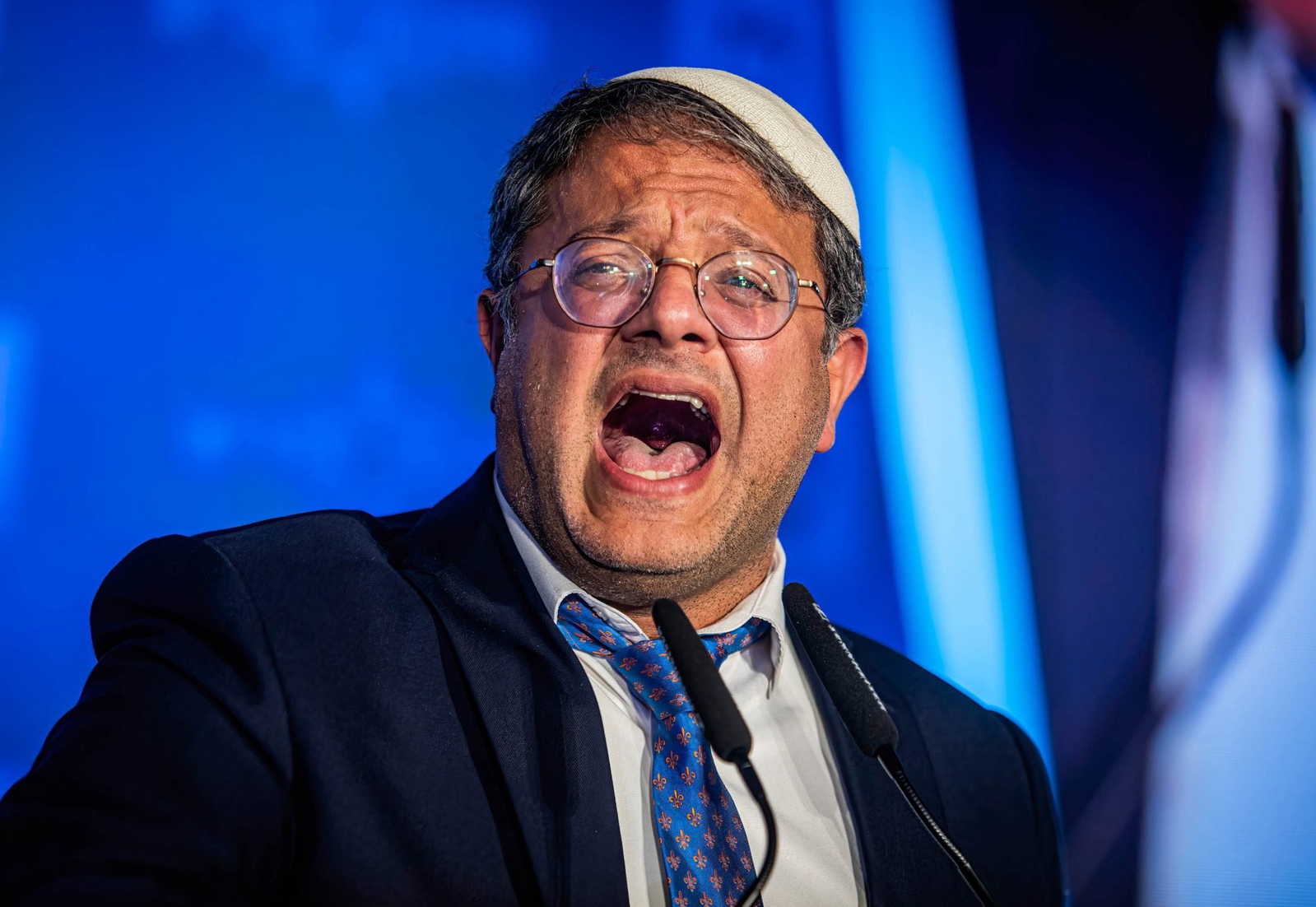
JUST IN: 🇮🇱🇺🇸 Israeli National Security Minister Ben Gvir slams US request to cease fighting in Lebanon.
— BRICS News (@BRICSinfo) June 19, 2026
"For every tear shed of an Israeli mother, 1000 Lebanese mothers should weep. All of Lebanon should burn."
"With all due respect to Americans, Israel must make it clear that… pic.twitter.com/F3pxx5sTLs
The language of vengeance grows louder
Israel said its military had struck Hezbollah operatives and infrastructure across several areas in the south, describing the action as a response to repeated ceasefire violations by the Iran-backed group.
Hezbollah, in turn, said its fighters ambushed an Israeli force advancing near Ali al-Taher Hill, destroying three Merkava tanks with guided missiles and attacking troops with rockets and artillery.
After the Israeli military announced the deaths of its four soldiers, far-right minister Itamar Ben-Gvir issued a harsh call for retaliation, writing “For every tear of an Israeli mother, a thousand Lebanese mothers must weep. All of Lebanon must burn.” His ally Bezalel Smotrich also urged Israel to “open the gates of hell.”
Diplomacy meets a fresh obstacle
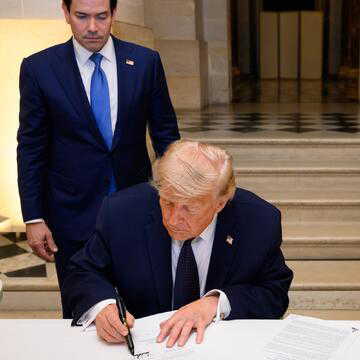
The violence also complicated diplomacy around the broader US-Iran memorandum, which requires an immediate and permanent end to military operations, including in Lebanon.
Planned technical talks in Switzerland were scrapped, with US Vice President JD Vance dropping his travel plan and a Swiss foreign ministry statement confirming the postponement.
The White House said the delegation was prepared to depart once logistics were finalized, while Iran’s Supreme National Security Council warned it would take countermeasures if the agreement were violated.
France, meanwhile, urged Washington to pressure Israel to stop the fighting in Lebanon.
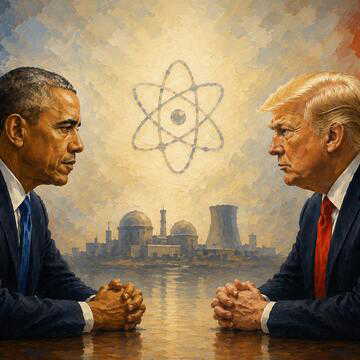
Also Read | Trump calls Iran deal a result of 'total military defeat'
FAQs
Q1: Why did Israel launch fresh strikes in Lebanon?
Ans: Israel said it targeted Hezbollah operatives and infrastructure in response to what it described as repeated ceasefire violations by the group.
Q2: How does the U.S.-Iran interim pact relate to the Lebanon conflict?
Ans: The agreement calls for an end to military operations across the region, including Lebanon, but fighting has continued despite the deal.