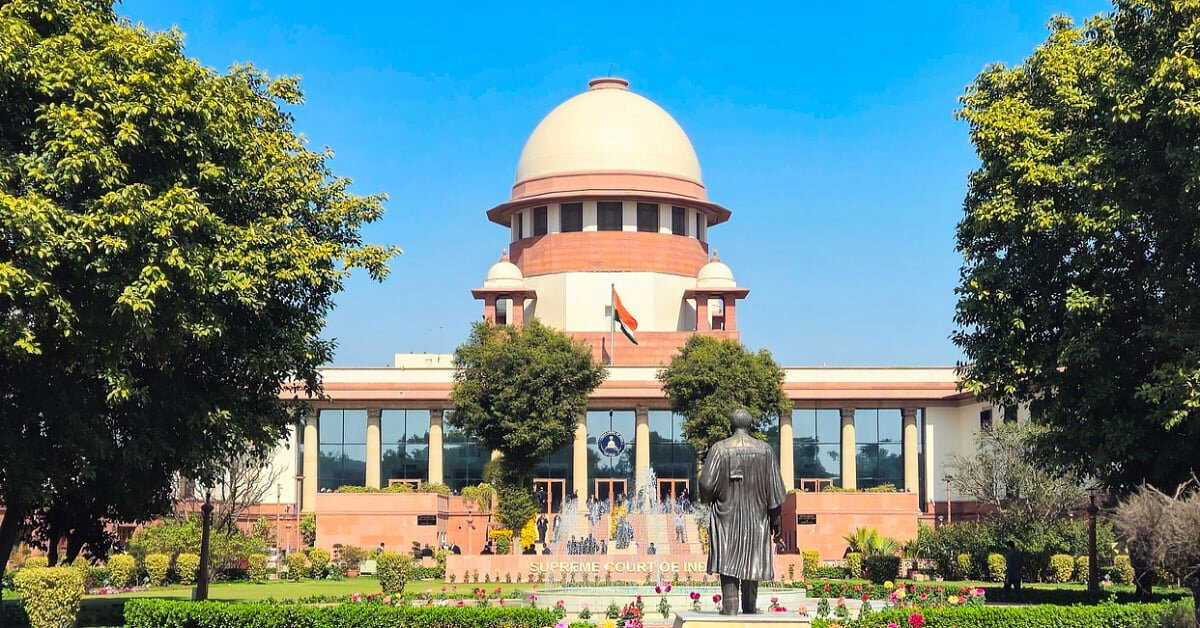
The Supreme Court ruled that Army personnel who suffer a stroke due to smoking habits are not eligible for disability pension on Thursday, 17 February. A division bench of Justice Aravind Kumar and Justice Prasanna B. Varale rejected the pension application, noting that the applicant smoked 10 bidis per day and suffered an ischemic stroke (blood clot in the brain causing severe oxygen deprivation leading to cell death) as a result. The bench observed that the illness was not related to Army duties or working conditions, and therefore, the applicant was not entitled to disability pension.
Also Read | Why the Supreme Court has referred the Sabarimala review to a nine-judge Constitution bench
Tribunal decision upheld
According to sources, the retired Army jawan had sought pension on the grounds of physical disability. However, the Armed Forces Tribunal rejected his application in accordance with the Army Pension Act, 1961 and the Medical Officers Guidelines, 2002.
The law and guidelines state that financial compensation cannot be granted if death or physical disability occurs due to excessive alcohol consumption, tobacco use, drug use, or sexually transmitted infections. Challenging the tribunal’s verdict, the retired jawan approached the Supreme Court.
Previous ruling distinguished
During the hearing, the applicant’s counsel cited a previous Supreme Court judgment in support of the pension claim. The division bench clarified that the earlier case involved a soldier serving in the Siachen Glacier, where extreme weather conditions were a contributing factor. The court held that those circumstances were not comparable to the present case.
The bench further noted that the medical board constituted to examine the applicant’s condition concluded that the ischemic stroke in the right middle cerebral artery had no connection with the nature of Army service or service conditions. According to the board’s findings, smoking was the sole cause of the stroke.