 Symbolic image
When did mosquitoes first drink blood?
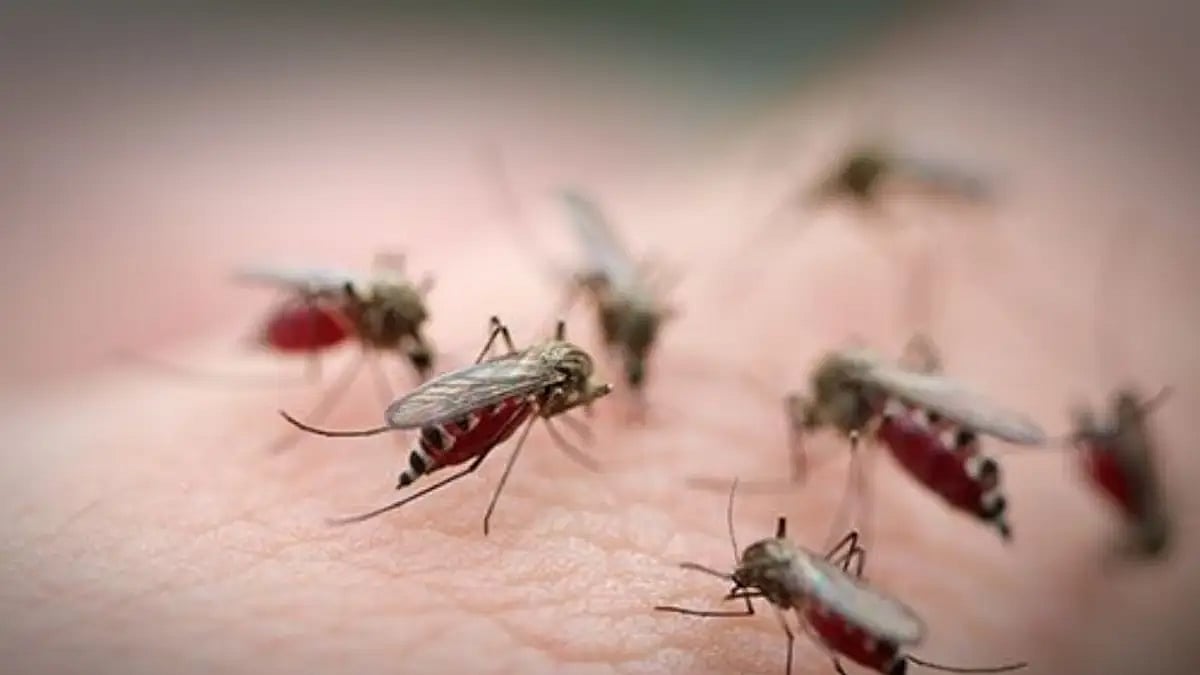
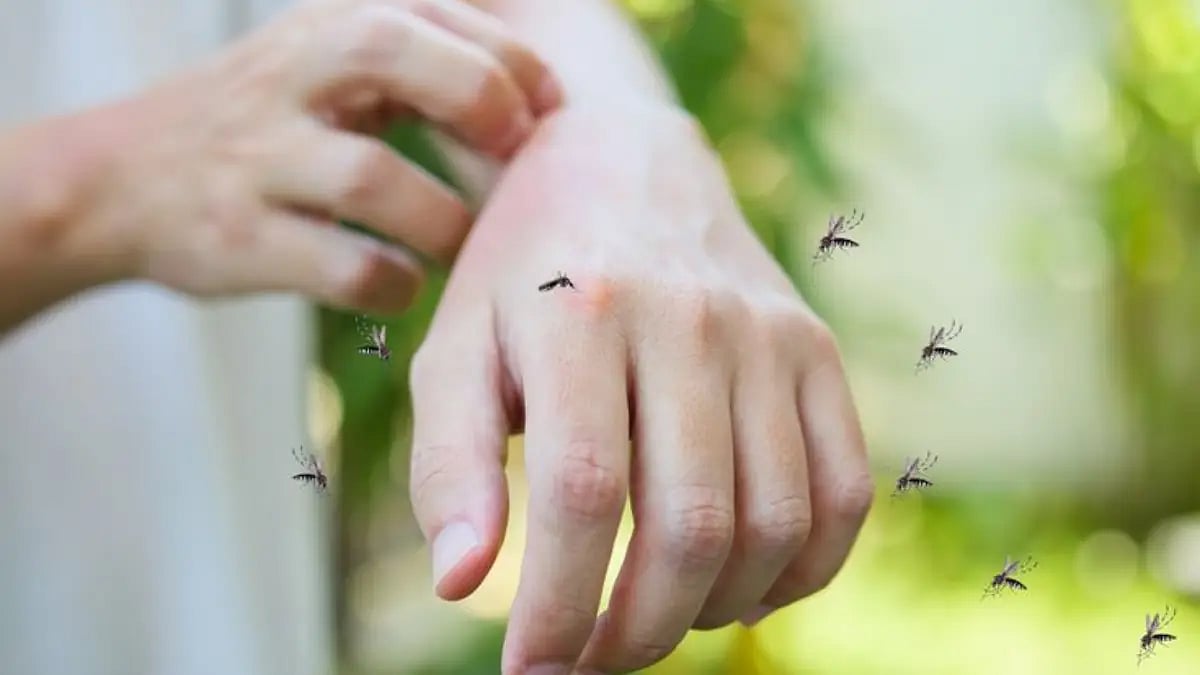
That mosquitoes bite humans and will continue to bite in the future is a very common matter to you or me. And almost everyone has more or less experience of being bitten. But when did mosquitoes first start drinking human blood? Has this question ever struck you? Recently, a study by scientists has revealed surprising information. According to them, about 1.8 million years ago, during the Pleistocene era, the attraction of mosquitoes towards human blood began to develop after the arrival of human ancestors or hominins in Southeast Asia.
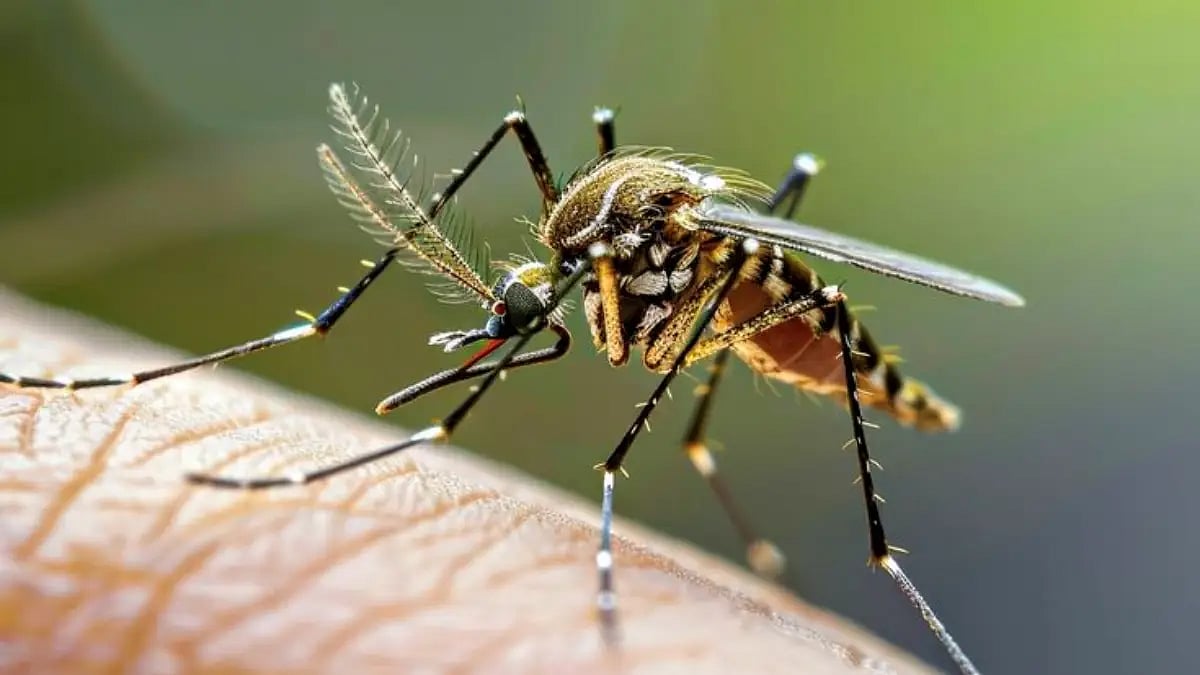 Symbolic image
Why are mosquitoes attracted to human blood?
Between 1992 and 2020, a group of researchers traveled through the deep forests of the Malay Peninsula, Sumatra, Java and Borneo to collect larvae of 11 species of mosquitoes. Their purpose was to try to understand how anthropophily or attraction towards humans developed in mosquitoes. The research paper has been published in 'Scientific Reports' journal. Scientists believe that the arrival of ancient human groups in Southeast Asia played a major role in the evolution of mosquito feeding habits.
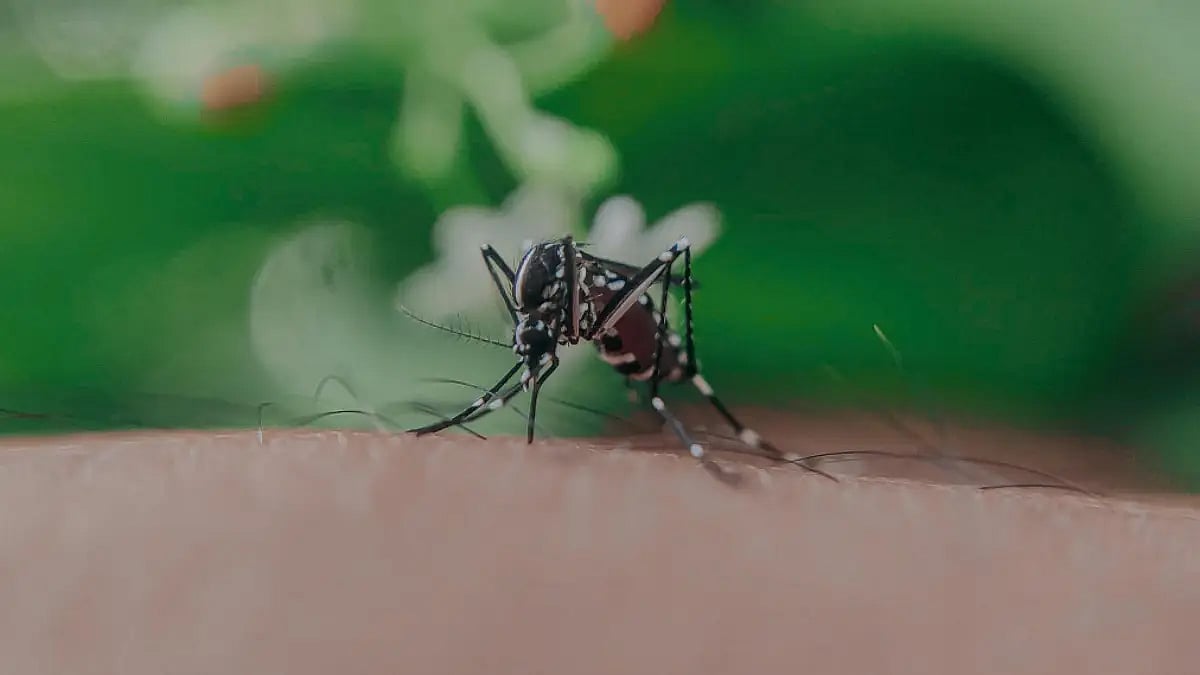 Symbolic image
The connection between human groups and mosquitoes spans 1.8 million years
The study states that the ancient human species Homo erectus had spread to various regions of Asia at least 1.6-1.7 million years ago. Possibly from that time, mosquitoes began to drink human blood. However, another possibility has also been mentioned. After humans arrived in Southeast Asia, some species of mosquitoes gradually began to become more attracted to humans.
 Symbolic image
Mosquitoes also drink blood of animals living on high tree branches in forests
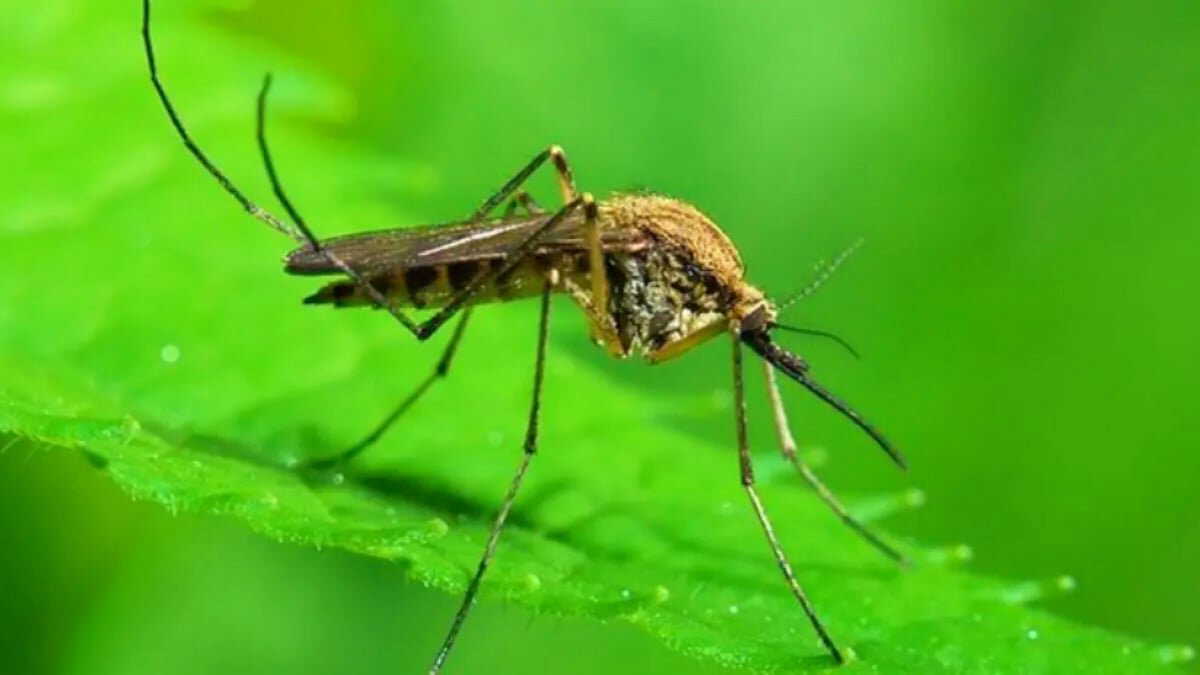
Mosquitoes of the Anopheles leucosphyrus group, which carry malaria parasites, are particularly known in Southeast Asia. This group has about 20 species. The study found that some mosquitoes drink the blood of animals living on high tree branches in forests—such as monkeys, gibbons or orangutans. Again, some species drink the blood of humans or other mammals. Some mosquitoes bite both types of animals.
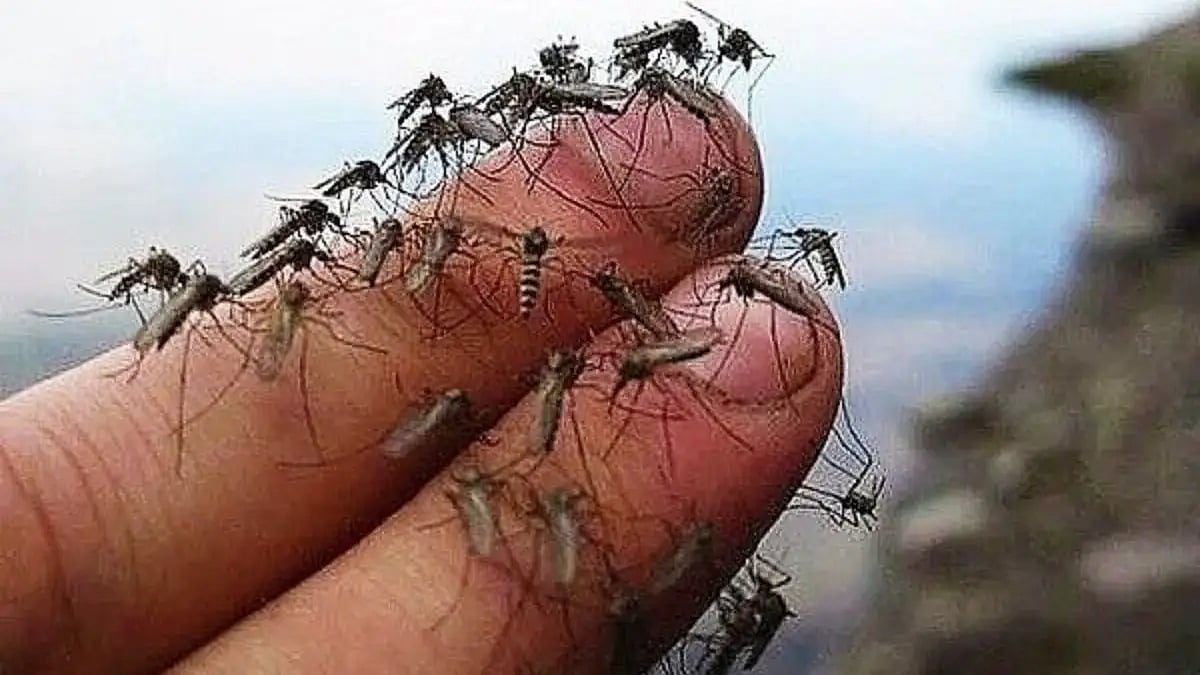 Symbolic image
Impact of environmental change
When dense forests gradually began to take the form of grasslands (Savannah) towards the end of the Pliocene era, many animals had to adapt to the new environment. The number of ground-dwelling animals began to increase. As a result of this change, mosquitoes also began to change their hunting strategies. According to scientists, this adaptation paved the way for attracting mosquitoes towards human blood.
 Symbolic image
Learning to recognise human scent
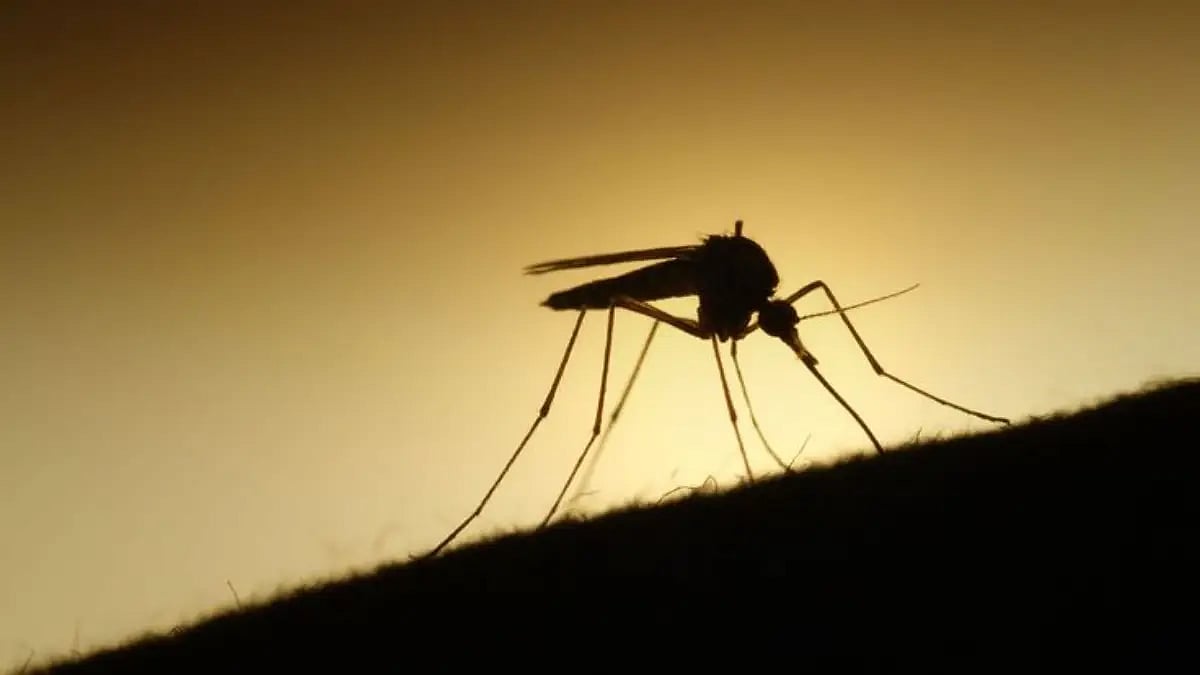
Researchers have analysed mosquito evolution using modern phylogenomic technology. They found that changes in some genes controlling mosquito olfactory abilities enable them to identify special scents or chemical compounds emitted from the human body. The evolution of these olfactory genes gradually made mosquitoes particularly attracted to human blood.
 Symbolic image
History of mosquito disease transmission
According to World Health Organisation (WHO) data, mosquito-borne diseases such as malaria, dengue, and chikungunya currently claim the lives of about 600,000 people worldwide every year. The new research report says: this relationship between humans and mosquitoes is not of today. Rather, it is an evolutionary relationship spanning several hundred thousand years, whose impact continues to profoundly affect human civilisation today.