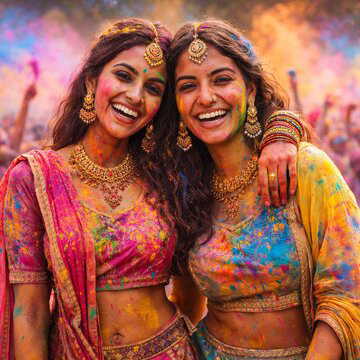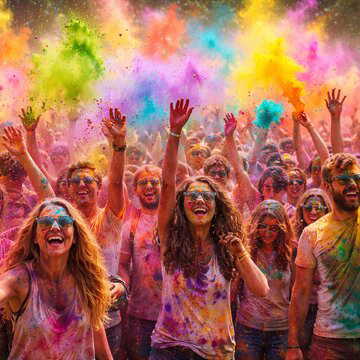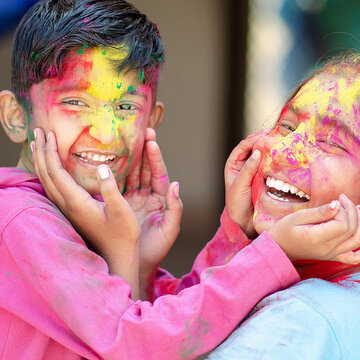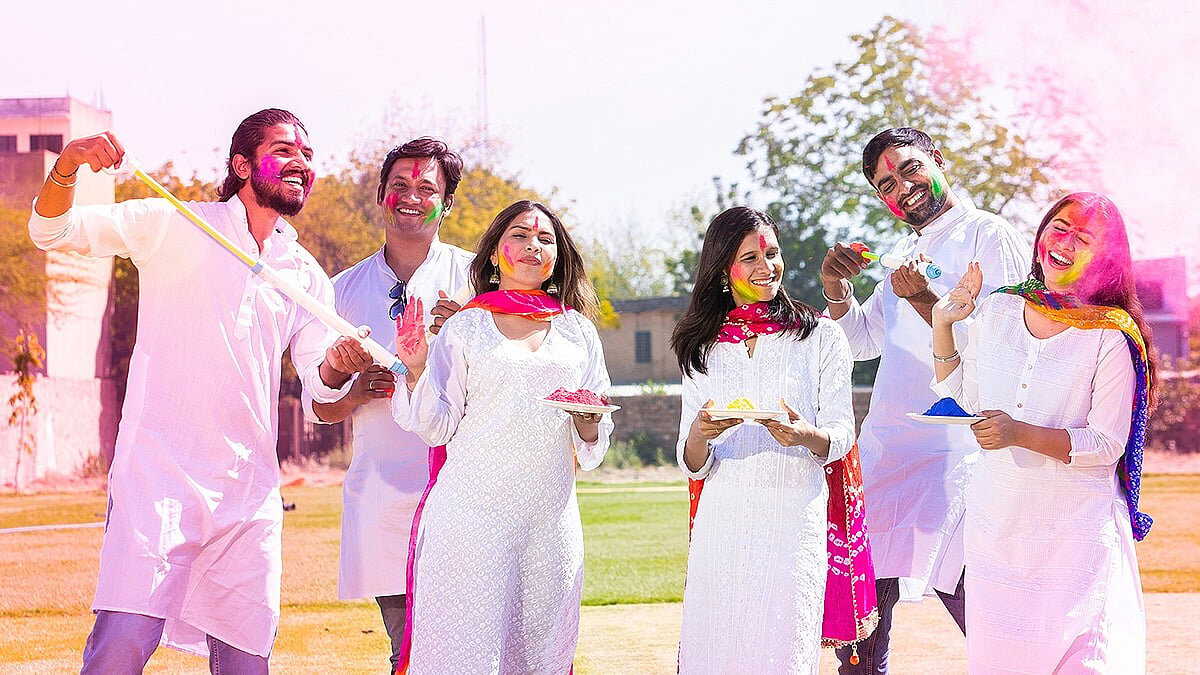
Whether it's Dol or Holi, it's incomplete without colors. Be it on the silver screen or in reality, the festival of colors means playing with colors. But have you ever noticed one thing from Bollywood's iconic Holi parties to your neighborhood gatherings, most people everywhere wear pristine white clothes.
In a festival of colors, why does everyone choose a color that gets dirty the fastest? Removing stains becomes a herculean task. Is this just about fashion? Or is there some deep psychological reason hidden behind it?
Also Read | Colours entered your child's eyes on Holi? Here's what you should do immediately
Visibility, practicality and comfort behind the tradition
Psychologists say the main reason for choosing white clothes is their visibility. Any bright color, be it pink or blue, red-yellow-green or purple stands out most prominently on white. When colored powder is applied on dark-colored clothes, its brilliance isn't as noticeable. That's why everyone wants to transform themselves into a living canvas by wearing white clothes on this day.
Dol means permanent color stains on clothes. Many people fear ruining expensive or colored garments. In that case, using simple white cotton kurtas or T-shirts is much easier. If they get ruined by colors, they can be easily discarded, or many people keep them as 'Holi dress' year after year.
Also Read | What is Holiday Heart Syndrome? The hidden risk linked to weekend binge drinking
Dol or Holi usually falls in late February or early March. During this season change, the heat gradually begins to increase. Generally, Dol is played for hours under the sun. White and light cotton clothes help keep the body cool in the sun, which isn't possible with any other dark-colored clothing.