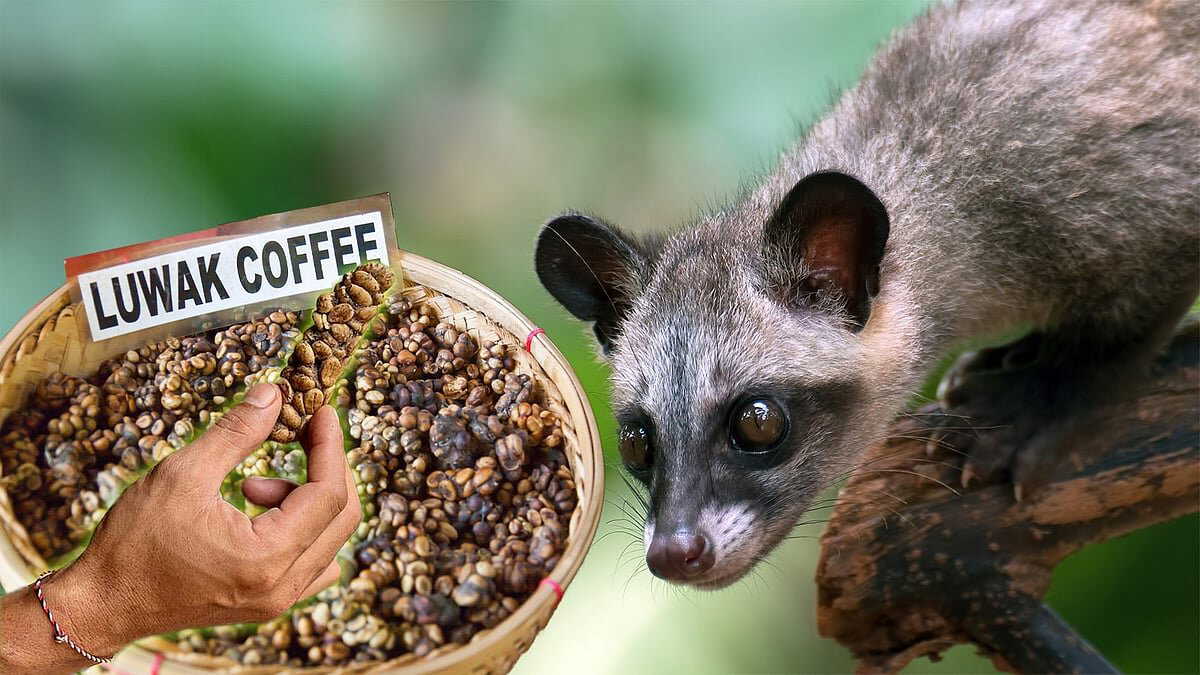
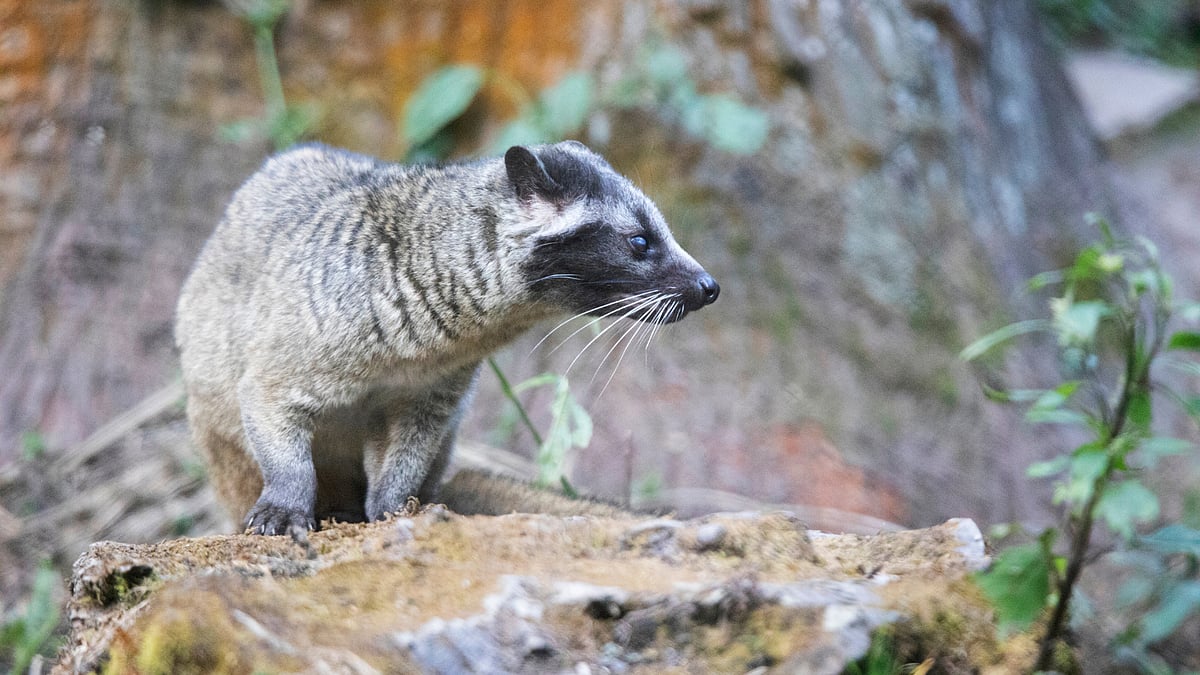
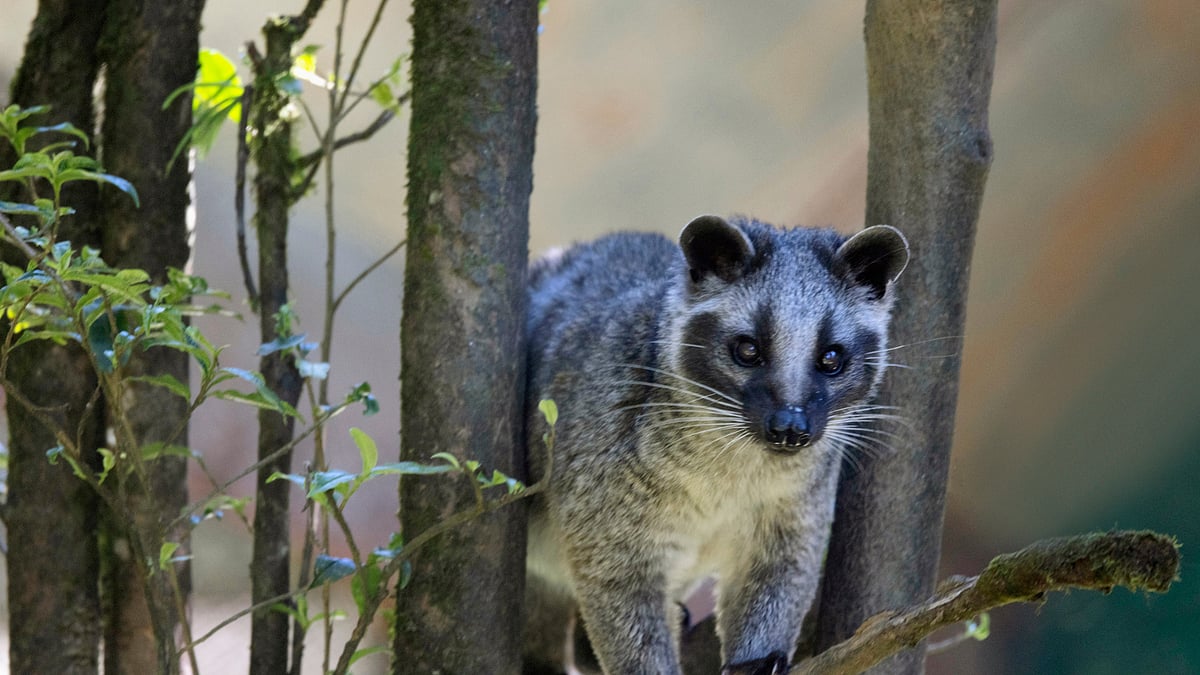
The animal is known in India as gandha gokul, or the Asian Palm Civet. With its pointed face and round eyes, it resembles a cat or fox, yet it belongs to a different species altogether. Surprisingly, coffee made from its excrement is consumed in cafés from London to high-end restaurants in Tokyo.
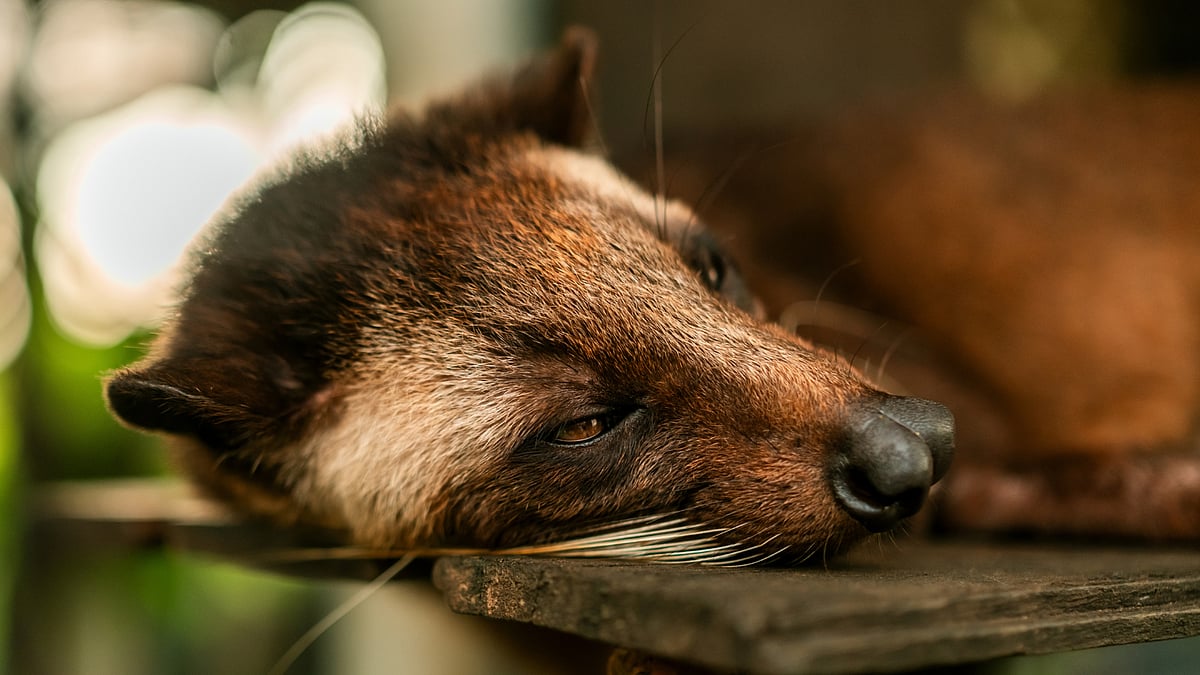
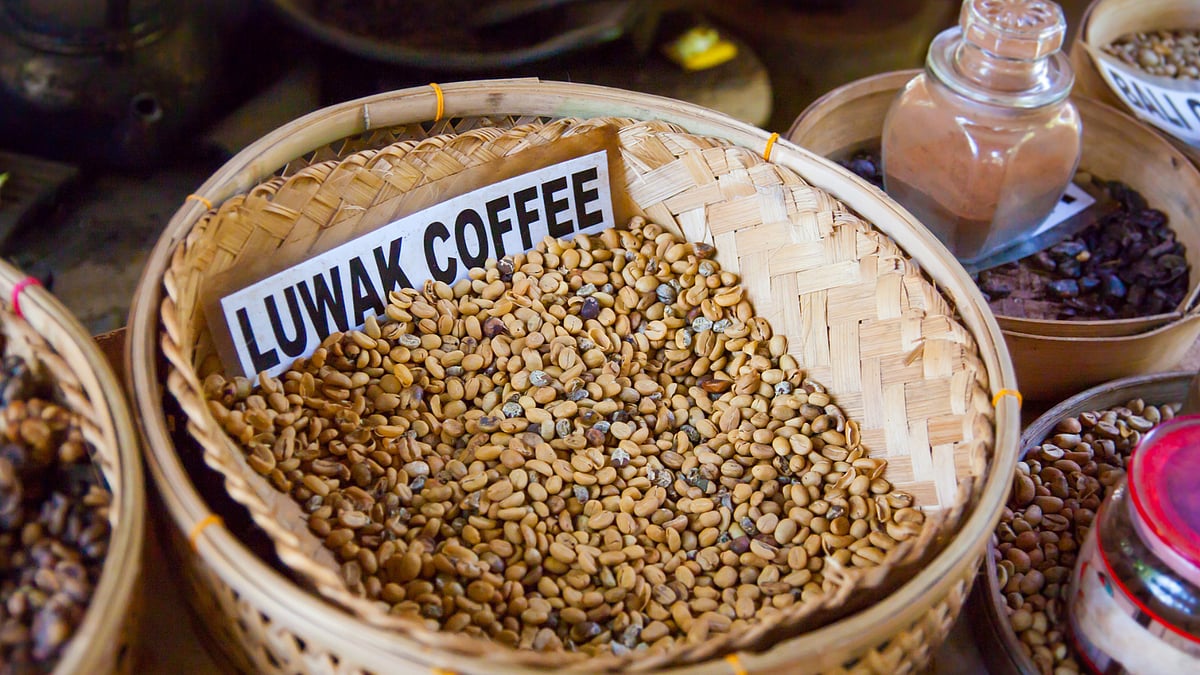
Many people enjoy black coffee, while others prefer it with milk and sugar. But few realise that one of the world’s costliest coffees is produced using the excrement of the gandha gokul. This coffee is known as Civet Coffee or Kopi Luwak.
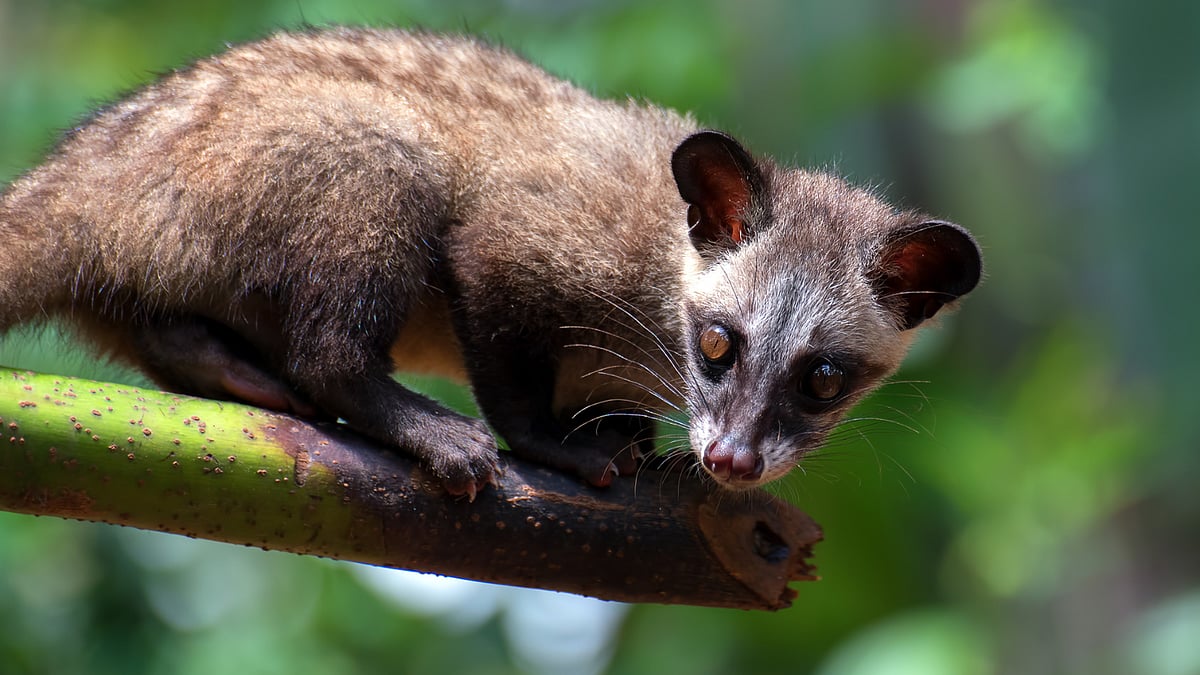
The world’s most expensive coffee, Kopi Luwak, originates in Indonesia and can cost up to $1,000 in the international market. In India, its price ranges from ₹350 to ₹8,000. The word Kopi means coffee, while Luwak refers to a cat-like animal. What is called gandha gokul in India is referred to as Luwak in Indonesia.
Despite common comparisons, the gandha gokul is not a cat. It has thick grey fur, an elongated face, and black spots across its body. At first glance, it resembles a mongoose. The animal is nocturnal and hunts mice, small birds, lizards, and frogs at night. Palm sap is among its preferred foods.
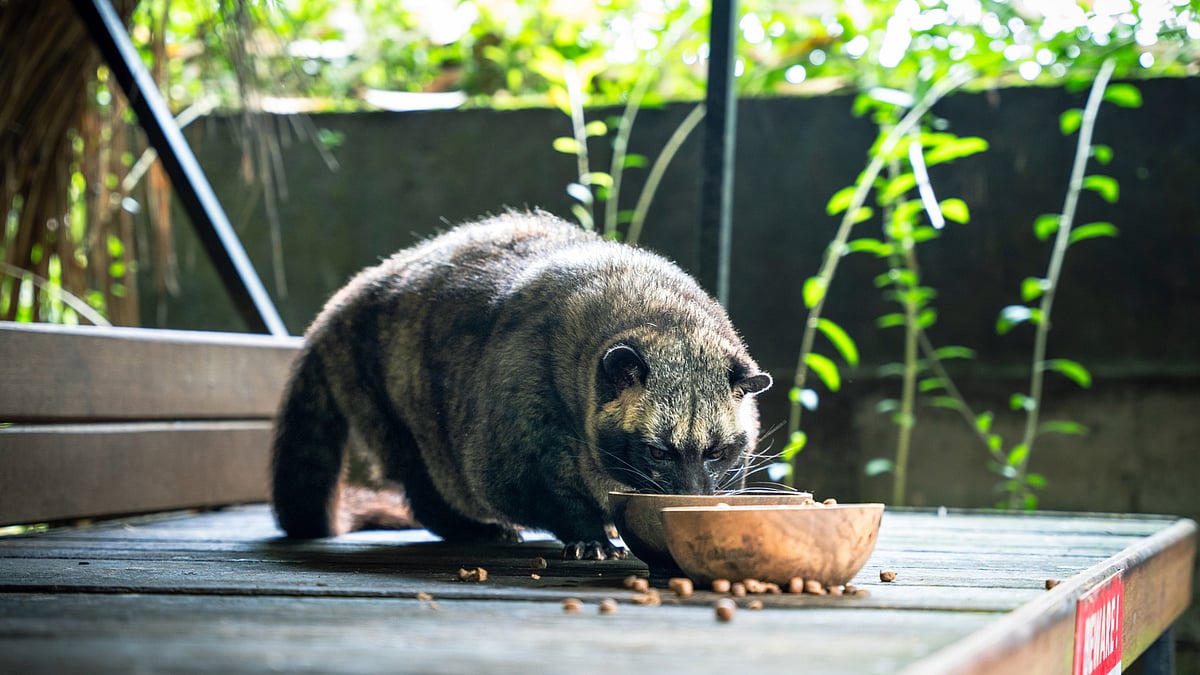
The gandha gokul is an endangered species. It is primarily found in Southeast Asian countries such as Indonesia, the Philippines, and Vietnam. In India, it is found in Sikkim, Odisha, Meghalaya, and several parts of the Western Ghats. The animal typically lives for 15 to 20 years, though only a small population exists in India.
Why is coffee made from gandha gokul excrement so valuable?
The gandha gokul eats coffee plant fruits but cannot fully digest them. While the outer part of the fruit is digested, the inner coffee bean remains intact. Enzymes in the animal’s stomach alter the chemical composition of the bean, reducing its bitterness and changing its flavour.
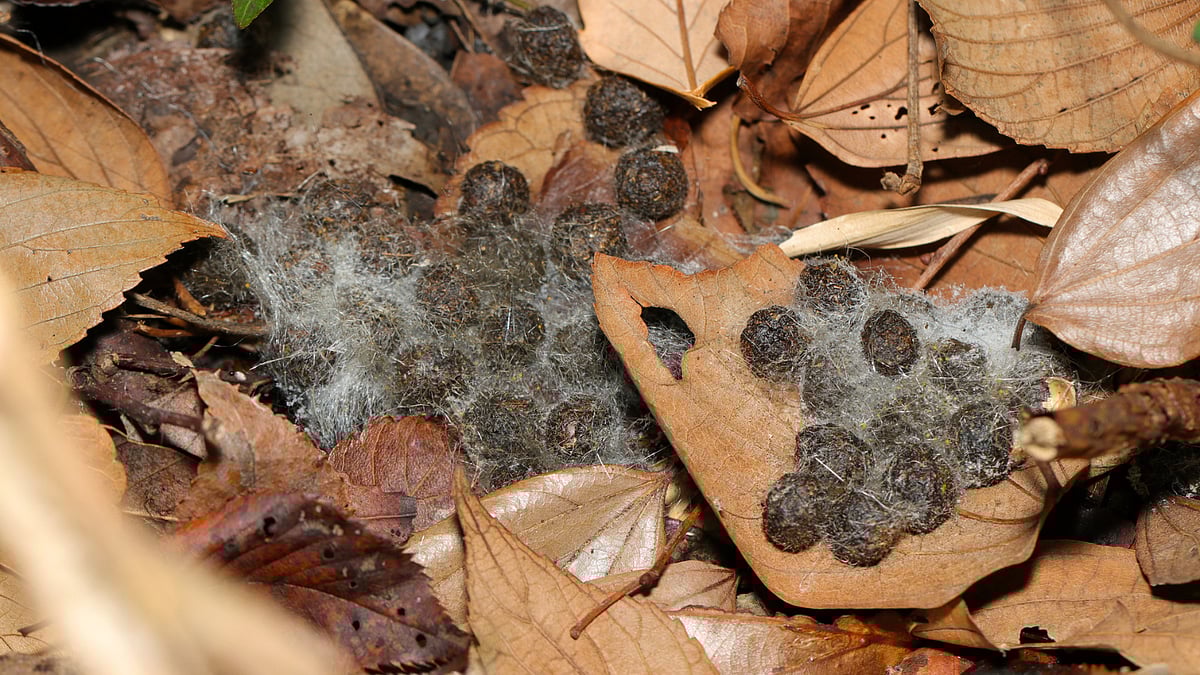
The excrement is then collected, thoroughly cleaned, roasted over fire, ground into powder, and packaged. This process produces what is known as the world’s most expensive coffee.
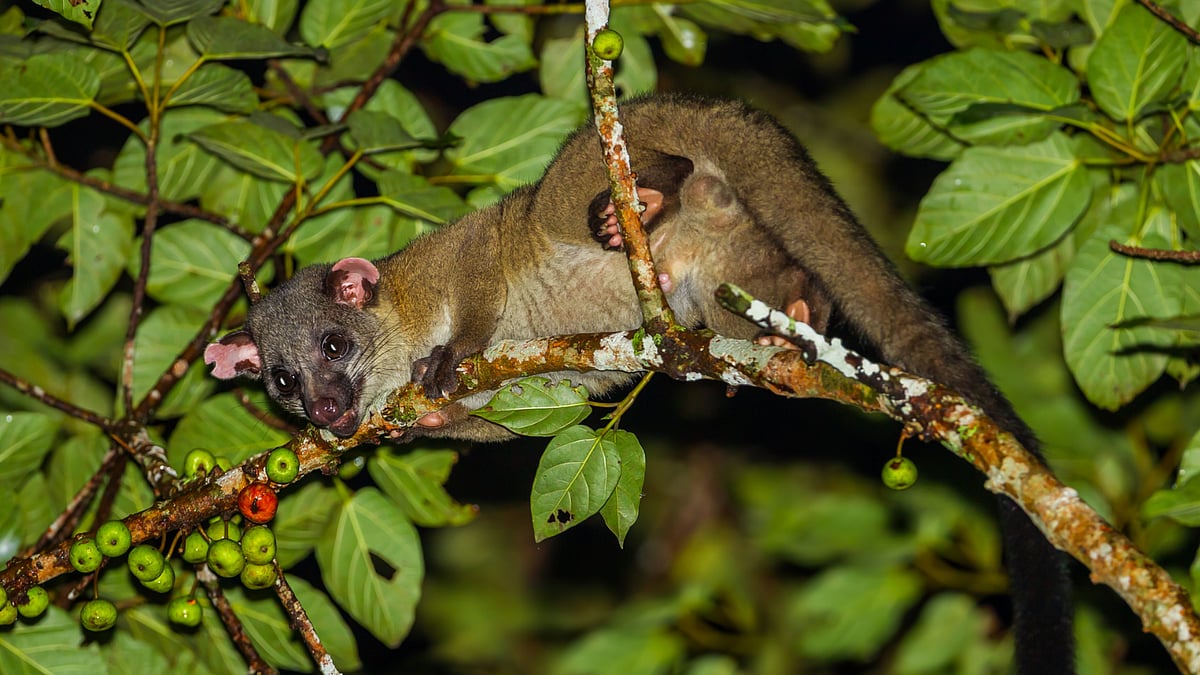
Although Kopi Luwak originated in Indonesia, coffee made from gandha gokul excrement is also produced in India’s Nagaland, where it is sold under the same name.