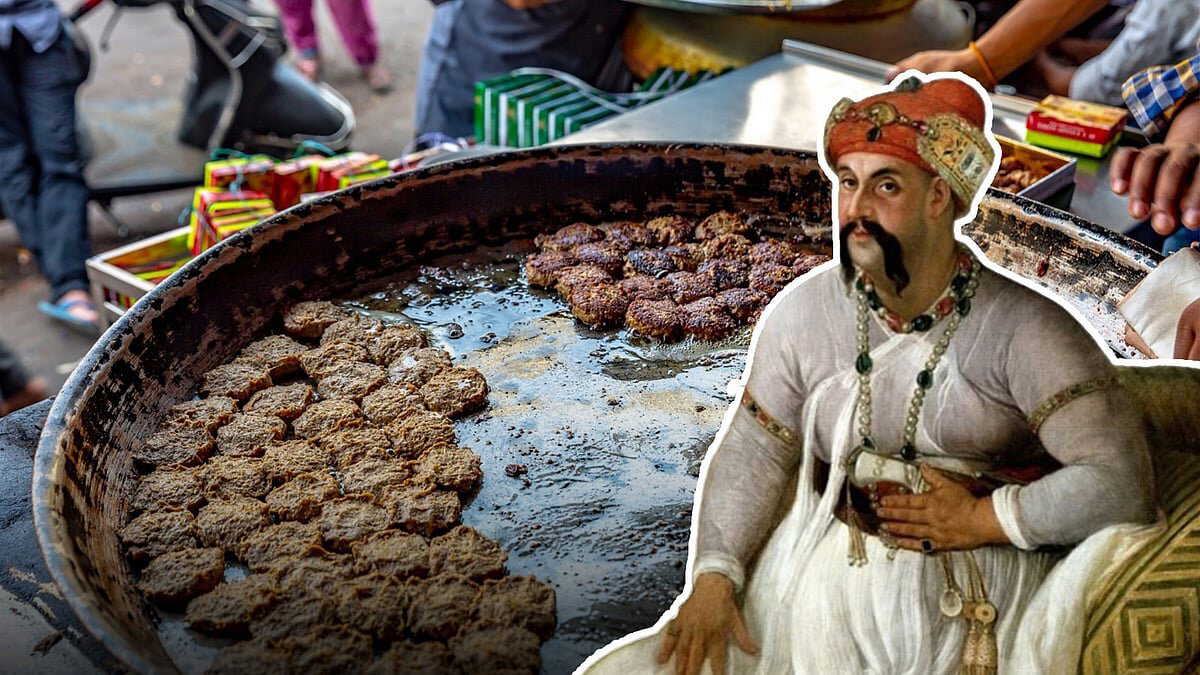
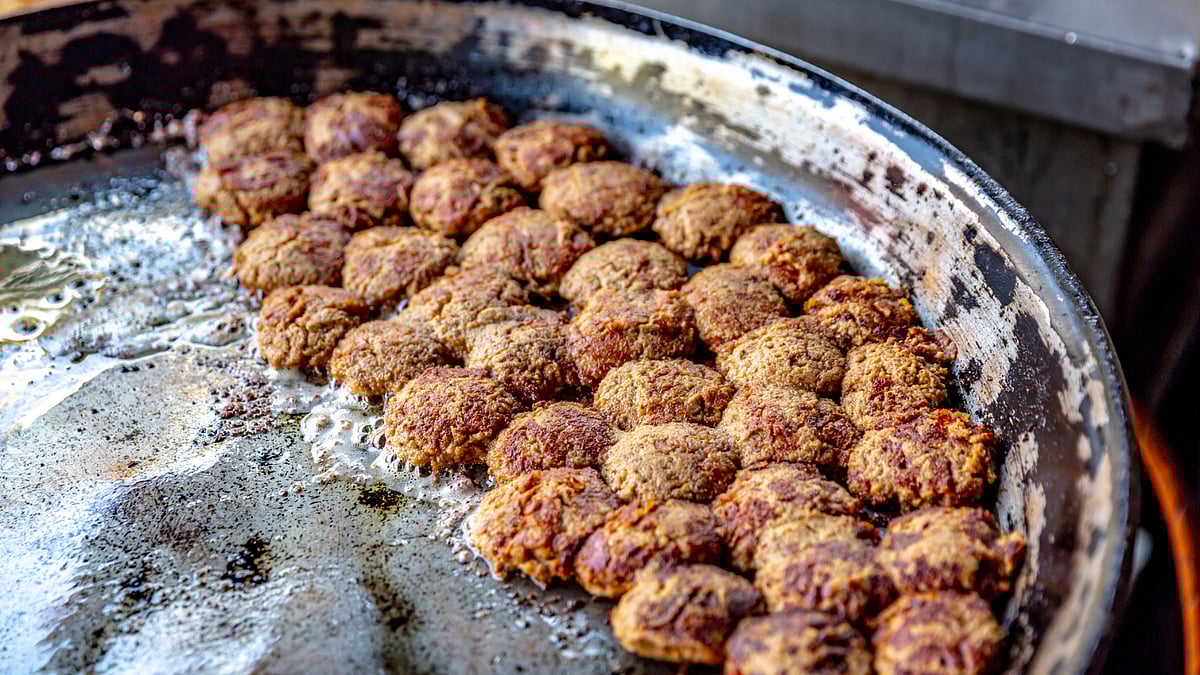
Lucknow is synonymous with mouth-watering delicacies. For the people of Lucknow, food is nothing short of an art. One of the finest examples of this culinary art is the Galouti Kebab. This kebab was not made for any special occasion. It is a unique creation born out of a Nawab’s whim and the creativity of a skilled cook.
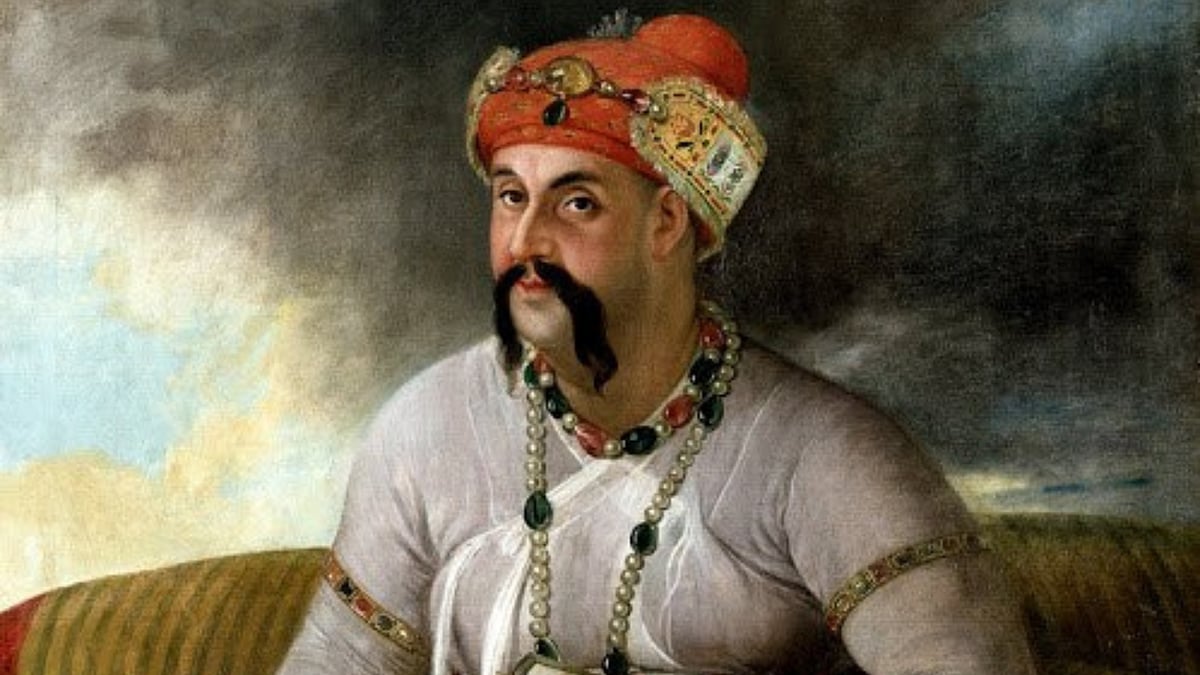
The food passion of Lucknow’s Nawab Asaf-ud-Daula
In the late 18th century, the Nawab of Lucknow was Asaf-ud-Daula. He was as generous as he was fond of luxury. In his royal court, cooks, or ‘khansamas,’ were respected almost as much as ministers. The kitchens of his palaces were like laboratories, where new flavors and dishes were constantly being invented.
Nawab Asaf-ud-Daula loved eating kebabs more than anything. But with age, he eventually lost his teeth. In those days, kebabs were quite firm and had to be chewed thoroughly. Without teeth, enjoying his favourite dish became almost impossible. Yet, the Nawab was not one to give up easily.
Also Read | Not everything belongs in the fridge: Foods science says you shouldn’t chill
The nawab’s unusual challenge to his cooks
Instead of giving up his favourite food, the Nawab issued a curious challenge to the palace cooks. He instructed them to create a kebab that would melt in the mouth one that required no teeth to eat, yet remained unmatched in flavour.
The magic of Haji Mohammad Fakhr-e-Alam
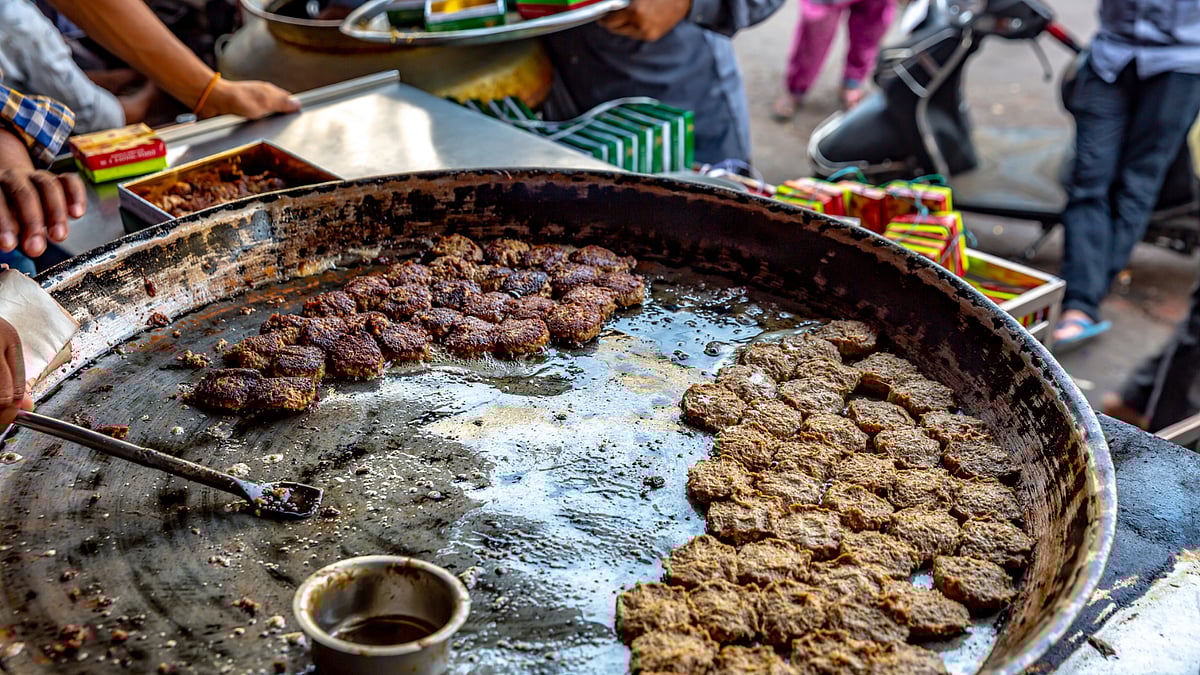
The credit for accomplishing the impossible goes to the renowned cook of that era, Haji Mohammad Fakhr-e-Alam. Day and night, he worked tirelessly to solve the Nawab’s problem. It was under his hands that today’s Galouti Kebab was born.
The true meaning of ‘Galouti’
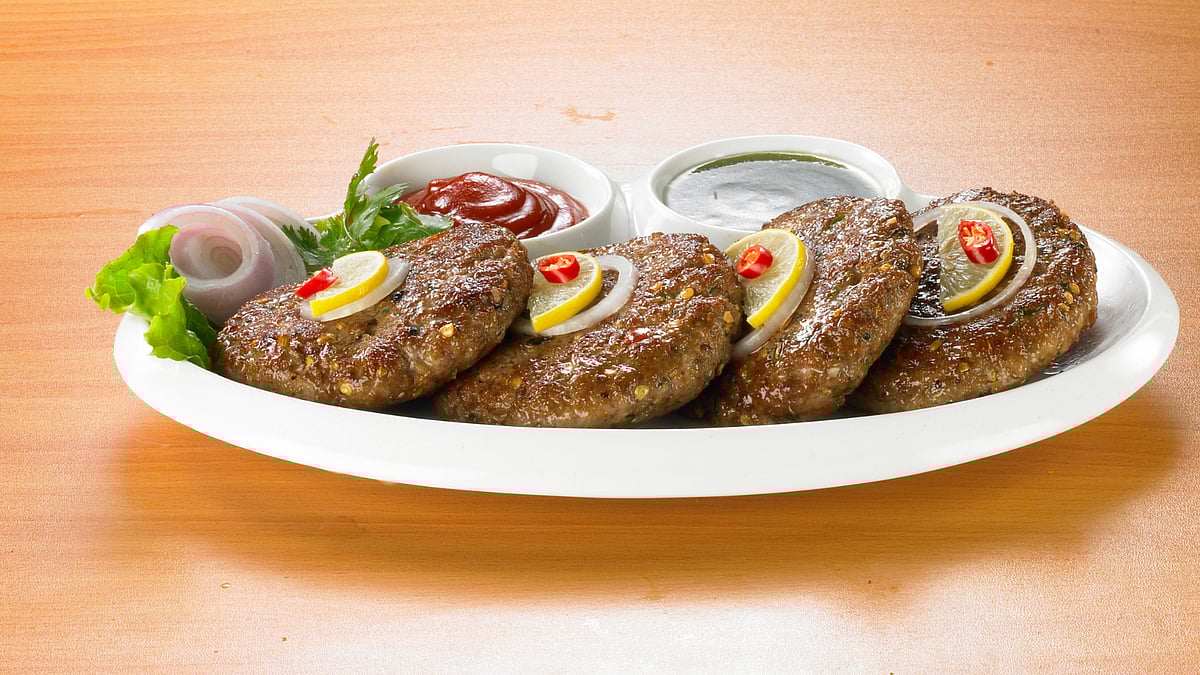
The word ‘Galouti’ comes from the Urdu term ‘Galawat’, meaning ‘soft’ or ‘that melts in the mouth.’ This kebab was made so tender that it required no chewing at all.
The secret of the spices and preparation
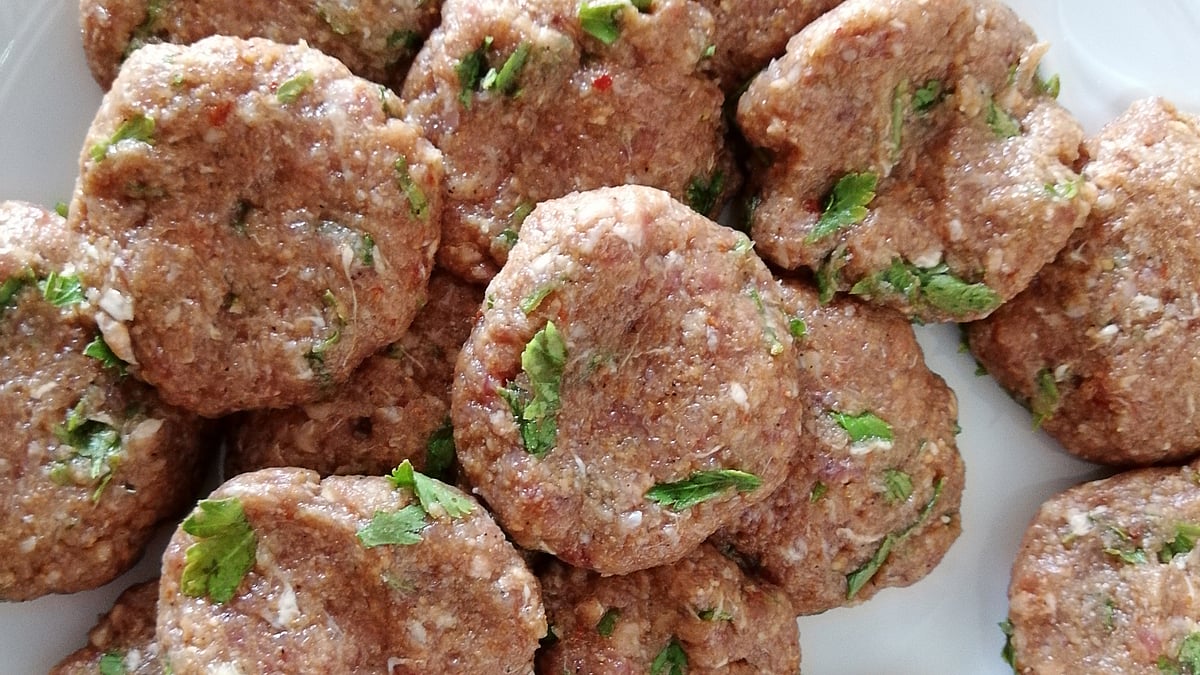
Haji Sahab would pound the meat into a fine, smooth paste. Raw papaya was used to tenderise it. In addition, rose petals, sandalwood, saffron, and nearly 150 aromatic spices were blended carefully. Each spice’s aroma was meant to be noticeable, yet none would overpower the others.
Also Read | Meet Mirumi, the cute robot doll replacing Labubu on social media
Royal flavor in ghee
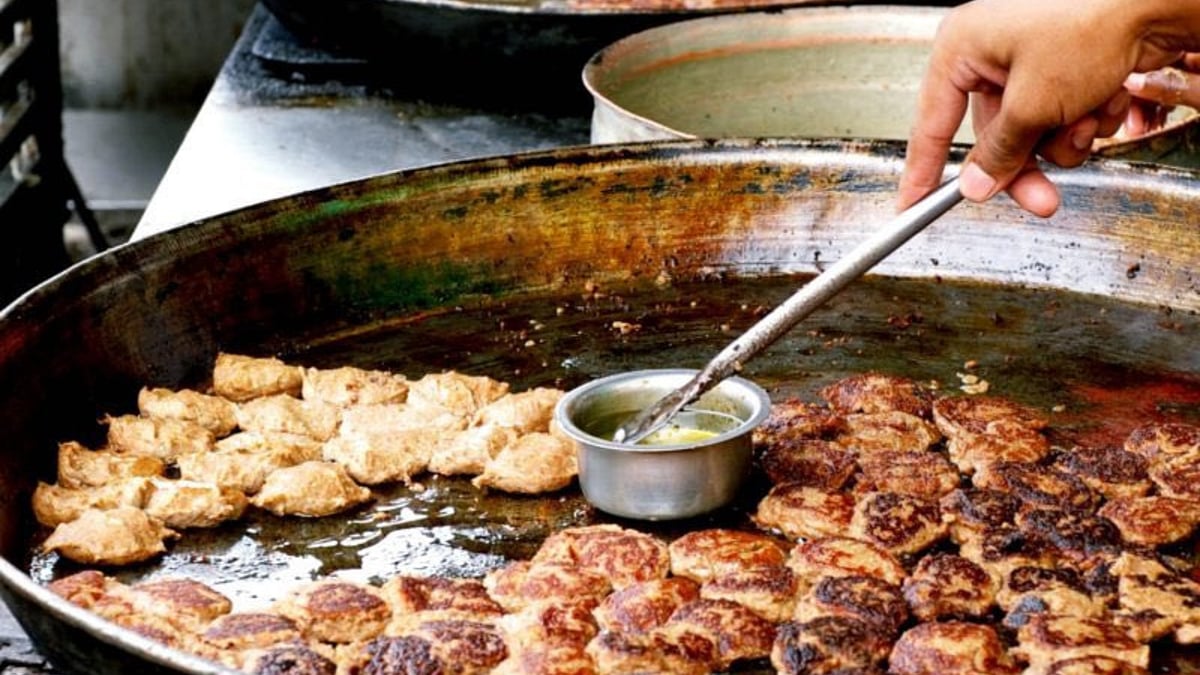
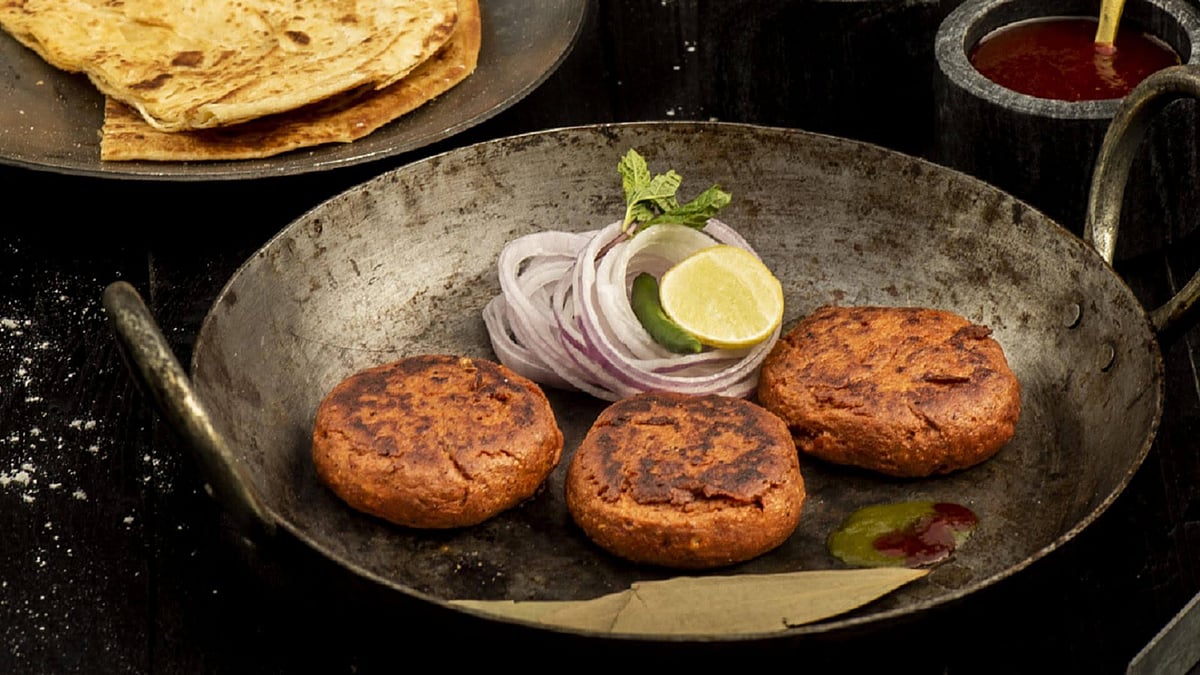
The kebabs were not roasted directly over the fire. They were gently fried in ghee over low heat, which made the outer layer slightly crisp while keeping the inside as soft as butter.
Galouti vs. Tunde Kebab
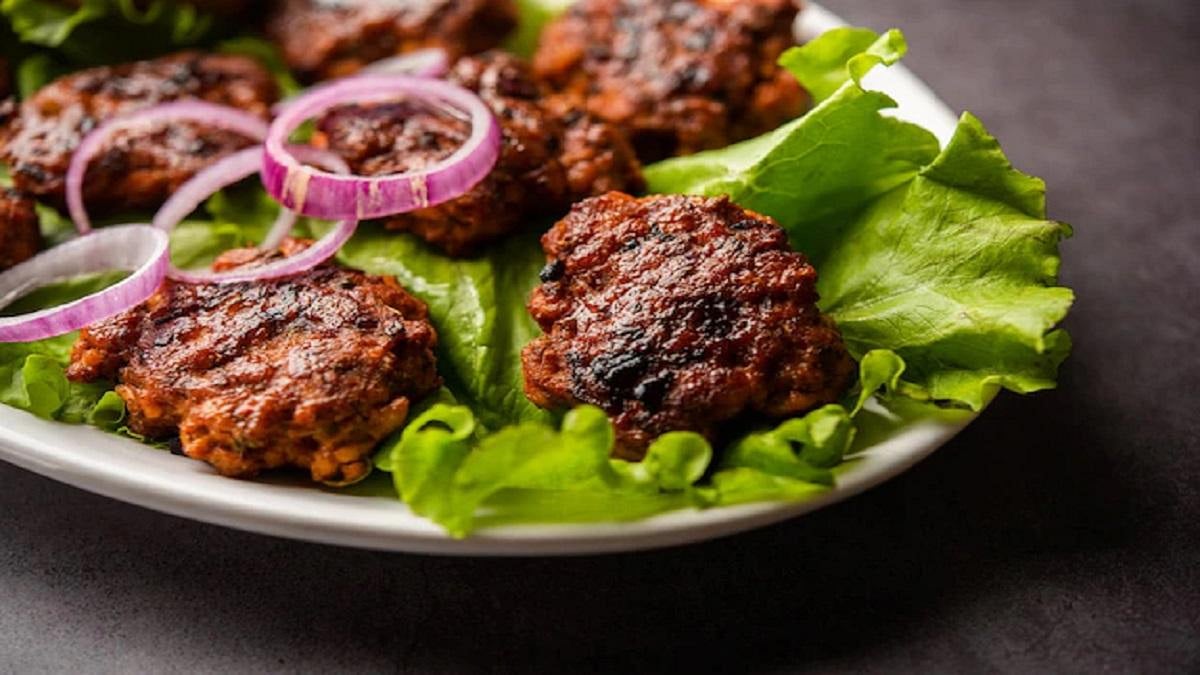
Many people confuse Galouti Kebab with the famous Tunde Kebab. In fact, Tunde Kebab is an evolved version of Galouti. Galouti is silky soft, while the spices in Tunde Kebab give it a slightly different flavour.
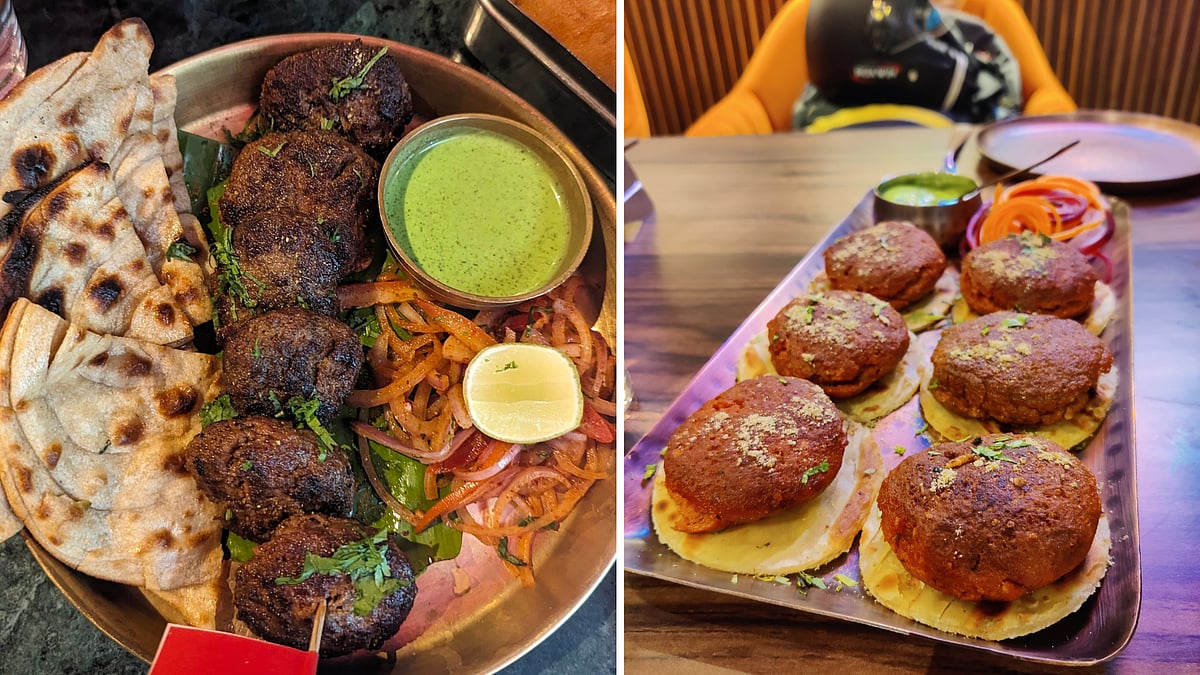
From royalty to the streets
What was once reserved for palace halls can now be found on the streets of Lucknow. Eating it with ulta tawa ka paratha and a squeeze of lemon remains a timeless tradition. This kebab reminds us that when art and love are mixed to meet human needs, it becomes eternal in the pages of history.