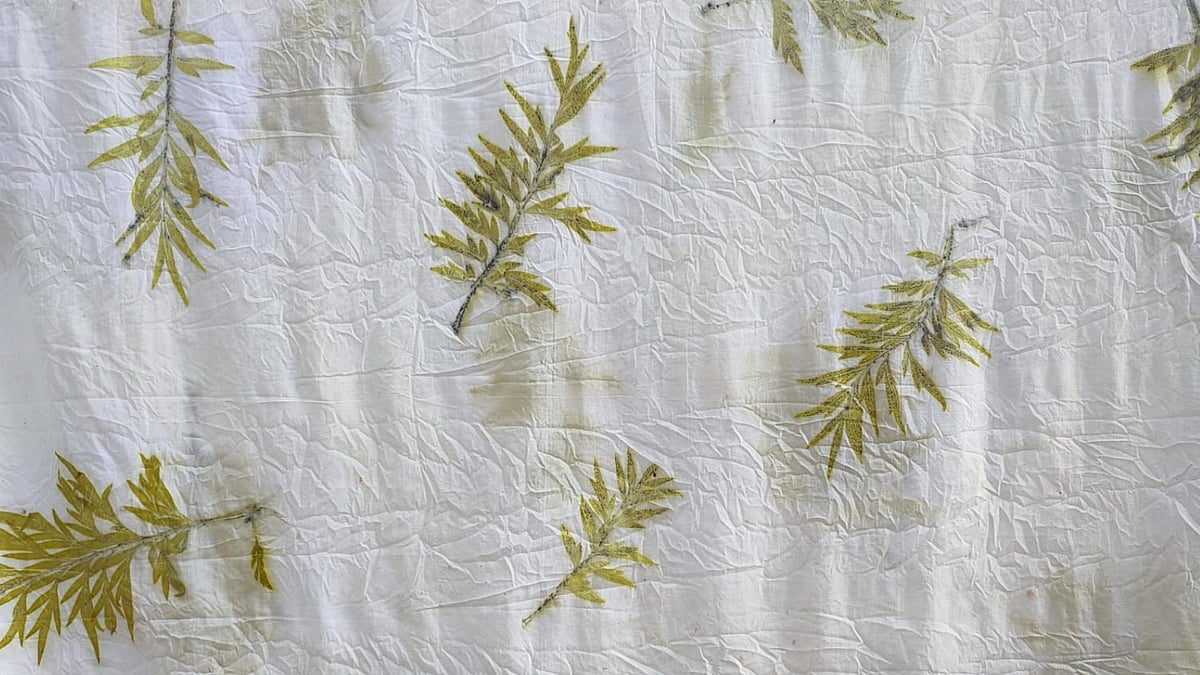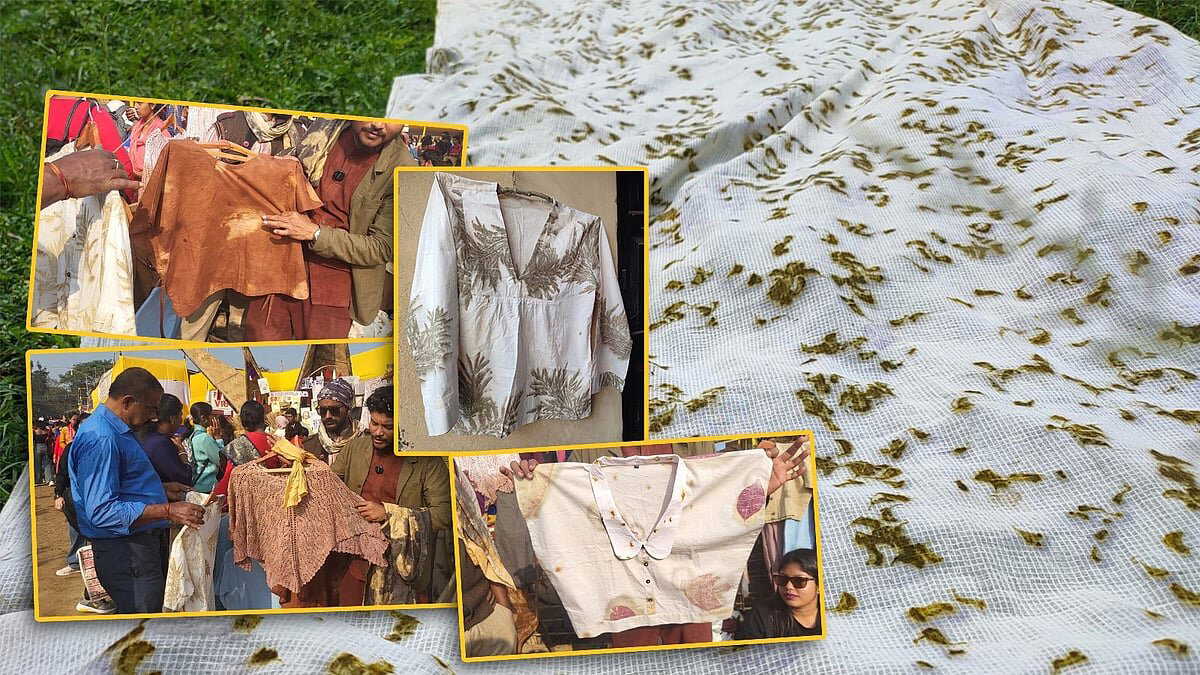
Designs created using colours extracted from tree leaves are drawing crowds at this year’s Poush Mela. The patterned fabrics are dried in the sun and sold at the fair. Along with leaves, colours derived from flowers are also being used. Discarded leaves and flowers are collected, processed, and applied to fabric, making these garments environmentally friendly. Shirts and kurtis made using this technique have emerged as a major attraction at the Poush Mela. The stall, run by students of Visva-Bharati’s Kala Bhavan, has seen overwhelming demand, with nearly 80 per cent of its stock sold out by Saturday, even before the fair concluded.
Poush Mela began on December 23 and today marks its final day. Held annually in Birbhum, the fair draws visitors from across the country and abroad, and this year has been no exception. The traditional opening of the Poush Mela is marked by the crisp winter breeze, Visva-Bharati’s night vigil, the sound of the shehnai, and early morning Vedic chants and Rabindra Sangeet at the Brahma Upasana Griha.
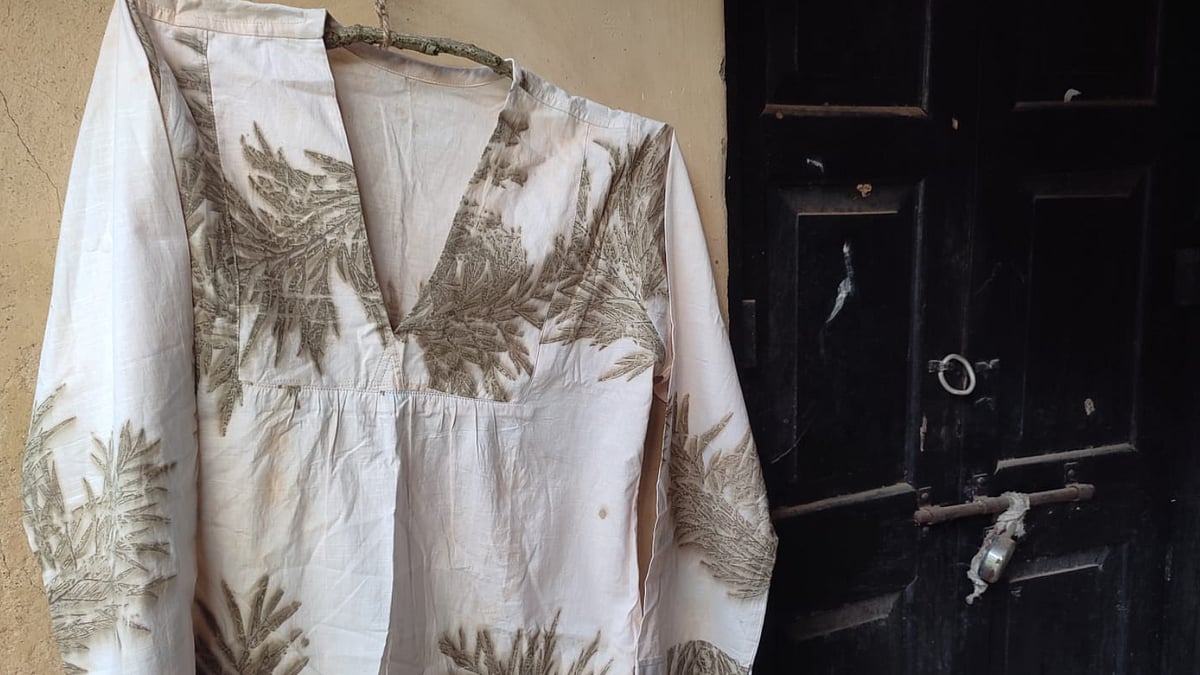
Rural Bengal’s handicrafts remain the biggest attraction at the fair. Kantha embroidery, clay items, and leather bags together create a vibrant atmosphere. This year, eco-friendly clothing has added a new dimension to that appeal, with fabrics printed using leaf-based colours winning over buyers.
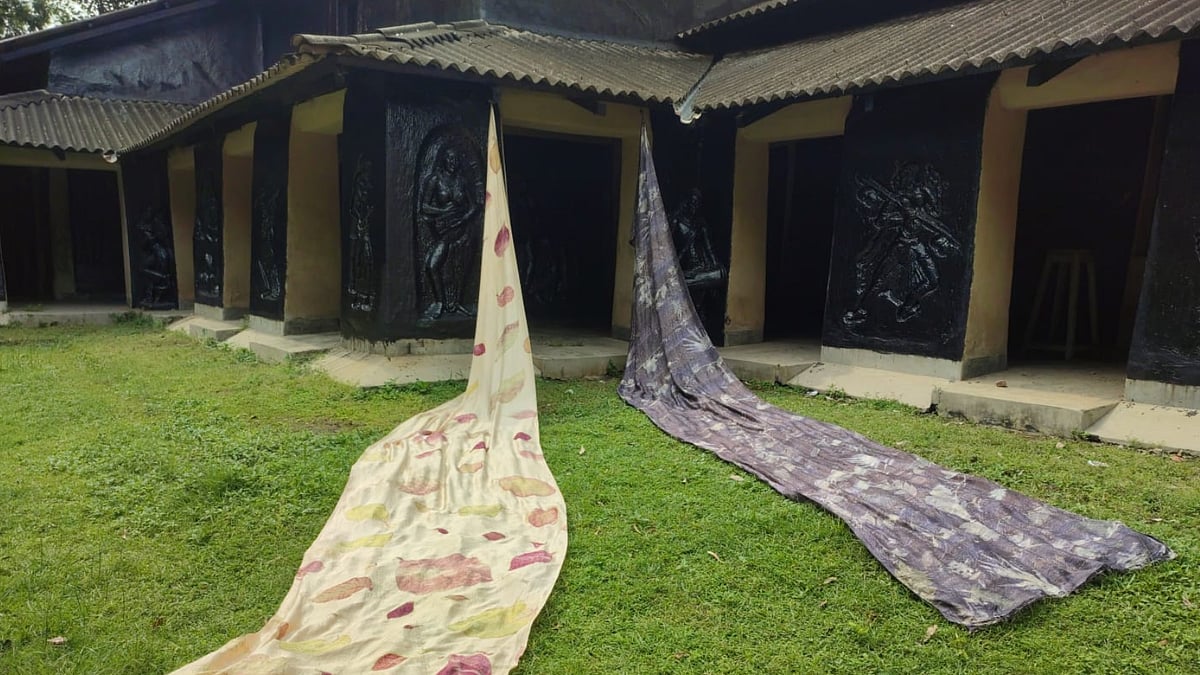
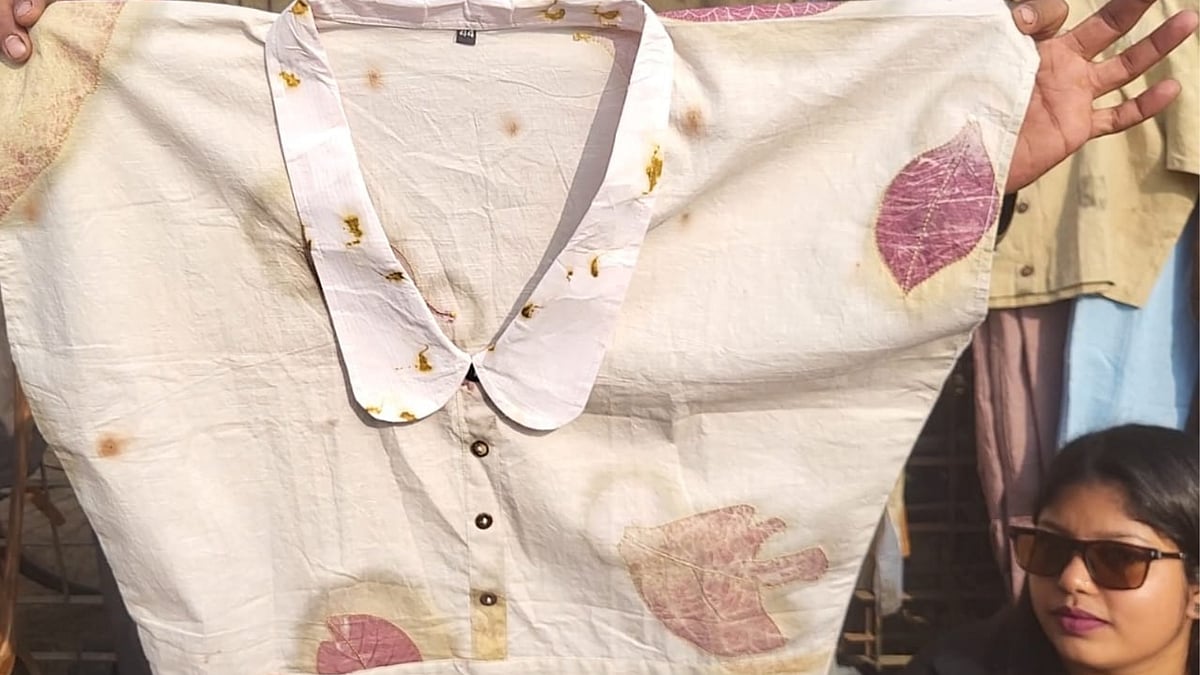
No machines are involved in creating the designs. Many lesser-known forest trees are used to form patterns on fabric. Flowers and leaves discarded after pujas, which often end up polluting water bodies or the environment, are instead collected, dried, and processed to produce natural colours.
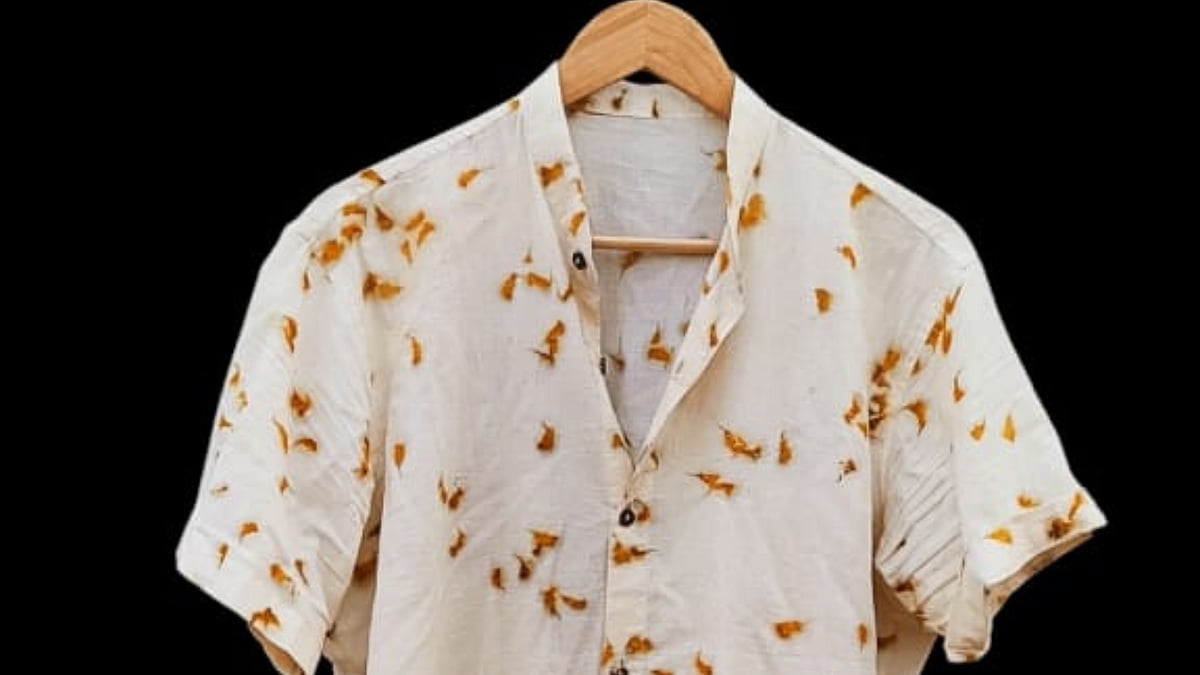
No machines are involved in creating the designs. Many lesser-known forest trees are used to form patterns on fabric. Flowers and leaves discarded after pujas, which often end up polluting water bodies or the environment, are instead collected, dried, and processed to produce natural colours.
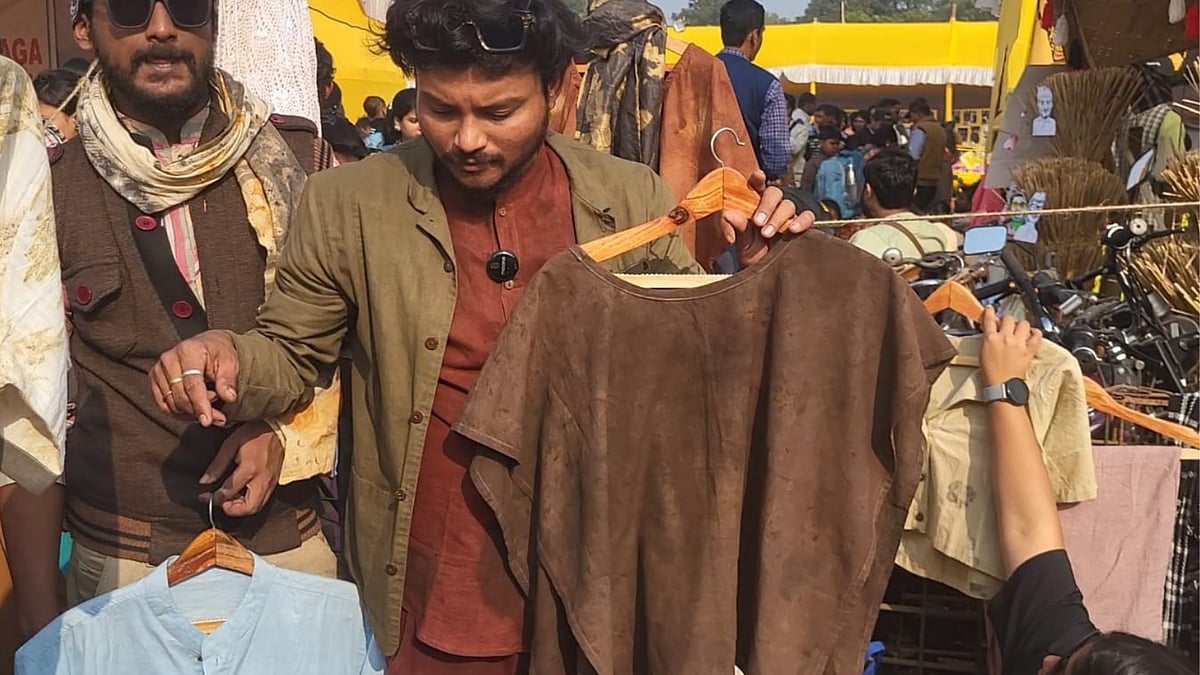
These colours are then applied to fabric. Choyon Banik explained that the fabric is first woven on a loom and then treated to remove starch, a process that takes 8–9 hours. The fabric is then dipped in alum water, layered with flower petals, and steamed. Soapnuts are used during washing to help retain the colour.
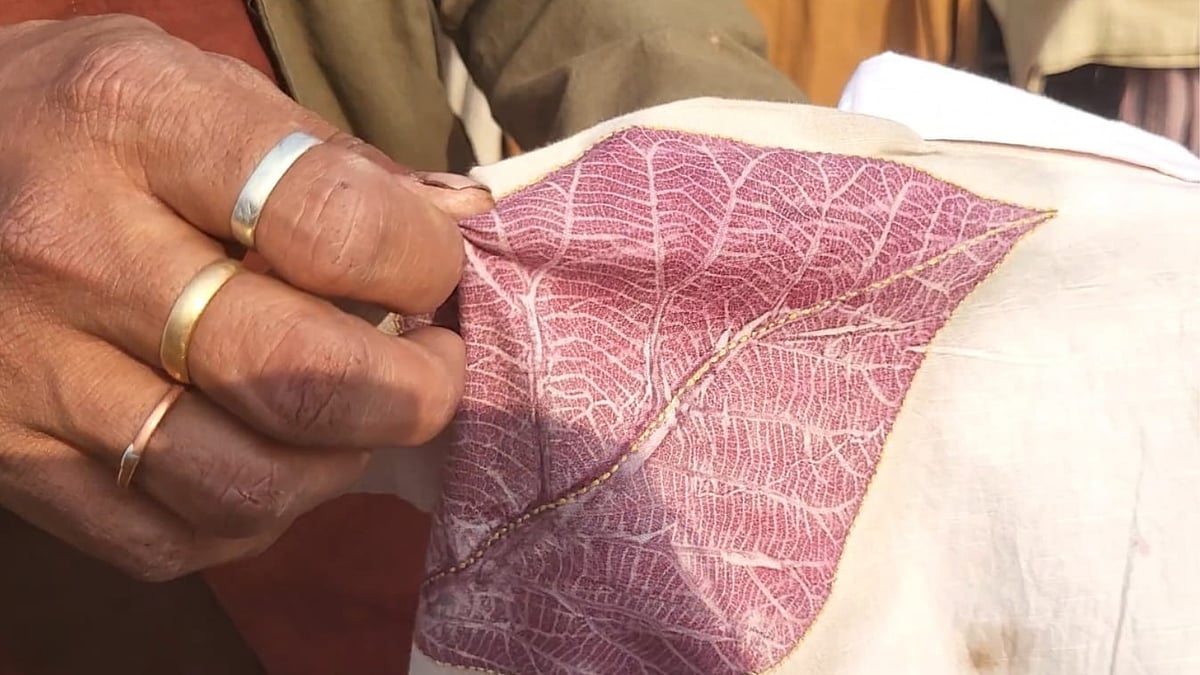
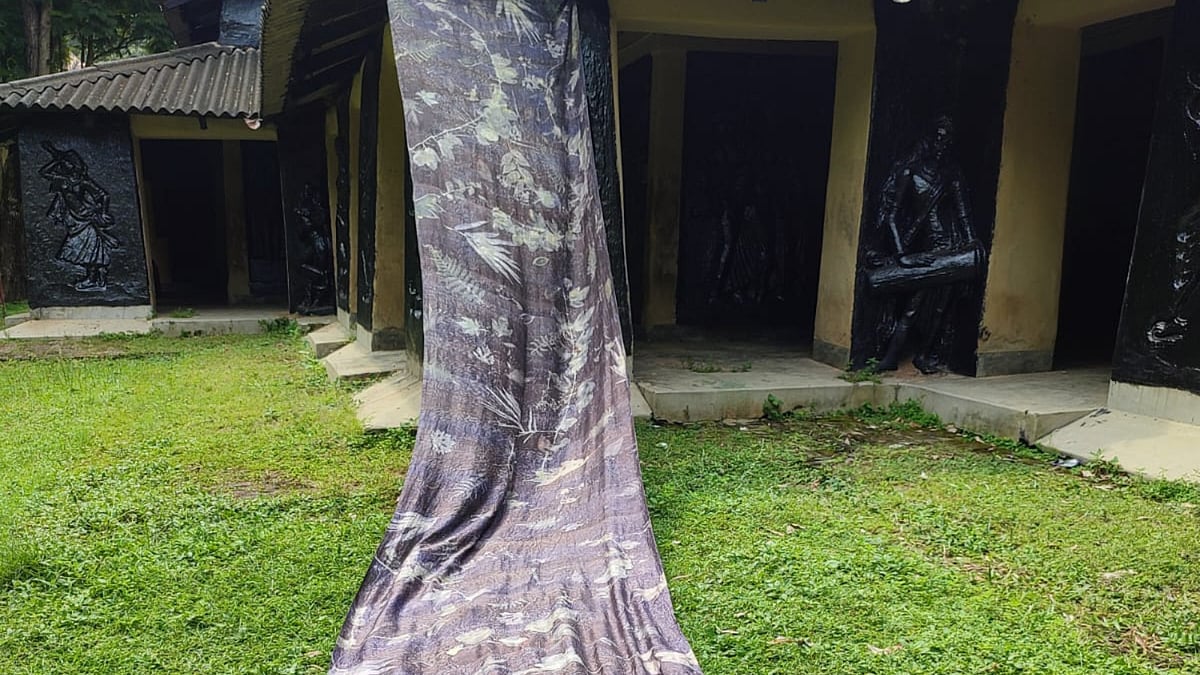
There is no fixed timeline for completing these garments. Sarees, in particular, involve intricate work. Some sarees on display feature designs made using marigold petals. Depending on the technique and colour, some pieces are completed within a week, while others take three to four months.
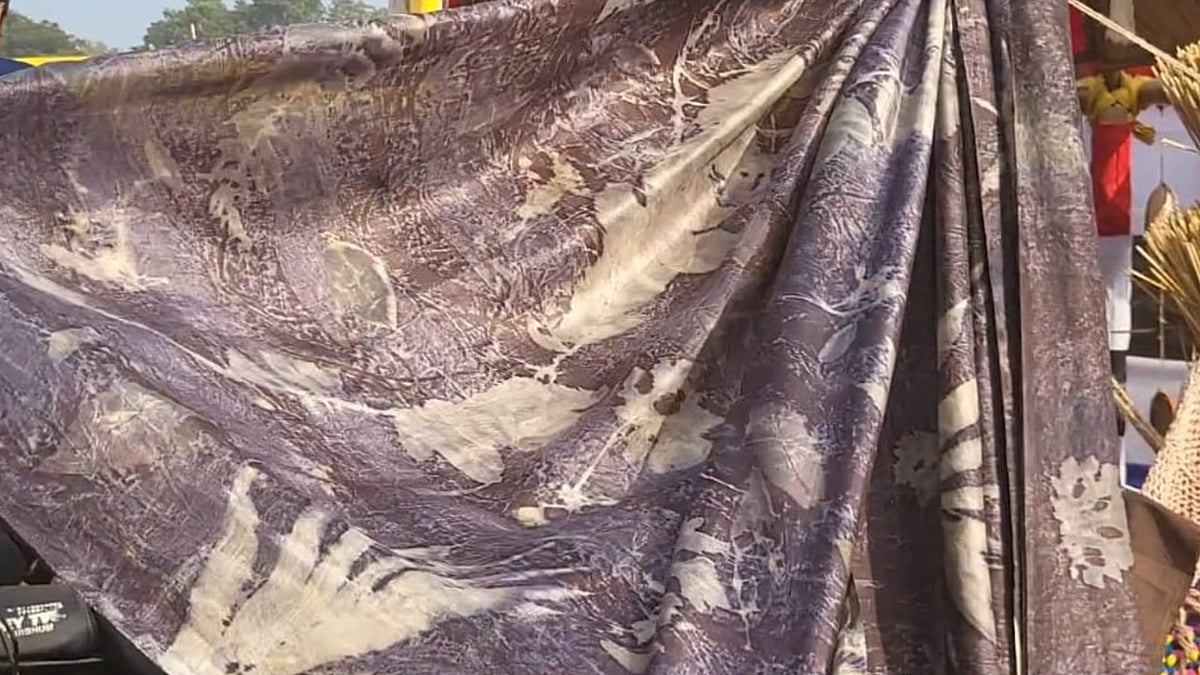
Prices range from ₹1,200 to ₹12,000–15,000. The handcrafted garments have found buyers not just locally but also in California, Japan, and Australia. While there is currently no permanent store in Bolpur outside the fair, Choyon Banik told Ei Samay Online that the students may consider opening one in the future, given the strong response from buyers.