The auspicious moment has arrived when Muslims around the world are waiting to start the holy month of Ramadan. It is the ninth month of the Islamic calendar and is considered sacred for Muslims.
During this holy month, they fast from dawn to sunset, offer prayers for peace and guidance, and give charity, known as zakat, to those who are in need.
What does Eid al-Fitr mean?
Eid al-Fitr means “the festival of breaking the fast". During the holy month of Ramadan, Muslims keep fasts from dawn until dusk after the moon has been sighted.
This year, Eid al-Fitr is expected to be celebrated on March 19 or March 20, depending on the moon sighting. In the Islamic calendar, Eid takes place on the first day of Shawwal. On this day, Muslims offer special Eid prayers, and fasting is not allowed.
When does Ramadan begin in India?
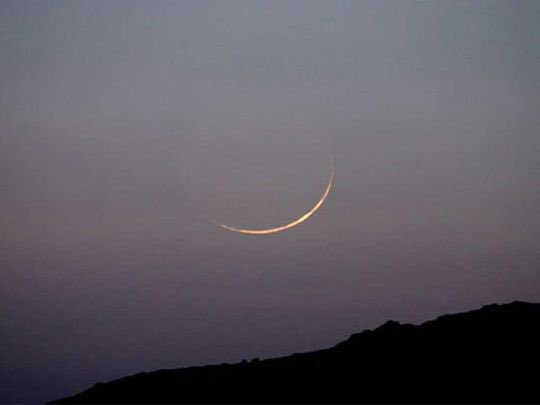
The beginning of Ramadan depends on the sighting of the crescent moon. This year, Ramadan is expected to start on or around February 18 or 19. It entirely depends on when the moon is seen. The sighting on February 17 will decide the exact date.
Usually, India begins Ramadan a day after Saudi Arabia. The crescent moon is often first seen in Saudi Arabia and in some parts of India, as well as in a few Western countries.
Also Read | Aquarius weekly horoscope: Clear thinking supports steady progress
What do Muslims do during Ramadan?
It is believed that Ramadan forms one of the Five Pillars of Islam, which include Shahada (faith), Salat (prayer), Zakat (charity), Sawm (fasting), and Hajj (pilgrimage).
During Ramadan, the followers of Islam fast every day from dawn to sunset. They do not eat or drink anything, not even water. The fast is broken in the evening with a meal called 'iftar'.
Before dawn, Muslims eat a meal called 'suhoor' to hydrate and to take care of their physical health for the day’s fast.
In this holy month, they also visit mosques for prayers, indulge themselves more in worship, and read the Quran, the holy book of Islam.
Who are exempted from fasting?
People who are ill or travelling are allowed to skip fasting. For example, if someone is temporarily sick or on a journey, they can make up the missed fasts later when they are healthy or back home.
Also Read | Pisces weekly horoscope: Intuition and discipline work best together
Ramadan 2026: Using a telescope to see the moon may harm the eyes
The International Astronomical Centre (IAC) has warned people not to use telescopes to observe the Ramadan crescent for 1447 AH.
They said that on Tuesday, 17 February, trying to see the moon with telescopes or binoculars could be very dangerous.
According to the IAC, the moon will be extremely close to the sun. This will not only make it impossible to see, but it could also seriously harm your eyes, especially in cities like Riyadh.