Well, just think about it! How much effort it took to check the time once upon a time! Unlike now, where you can simply glance at your mechanical watch or the currently popular smartwatch and instantly get the precise calculation of hours, minutes, and seconds – this wasn't always the case. Around the 1500s, the first 'clock' as we understand it came into existence. But until then, various instruments and methods were used to measure time. Among them, one of the most notable was the sundial.
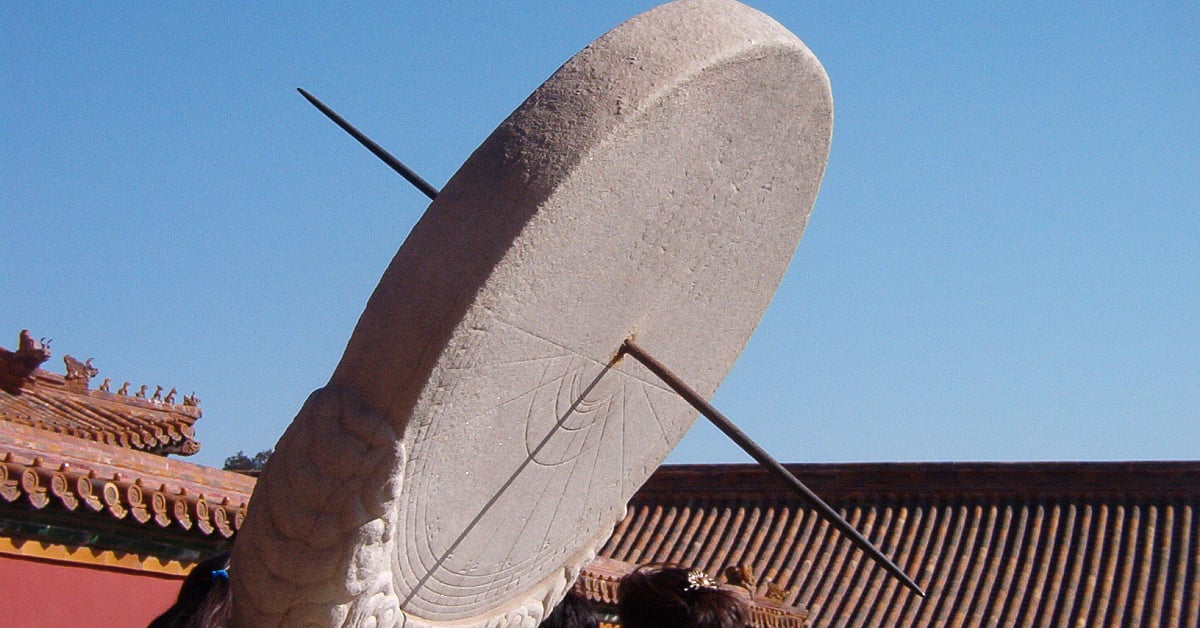
Forbidden City Sundial: This ancient sundial is located within China's Forbidden City Complex. This sundial was built during the Ming dynasty rulers' era. Within a massive circular stone disc lies a rod. Sunlight would fall on this rod, and time was calculated by observing its shadow. This circular disc is positioned parallel to the equator.
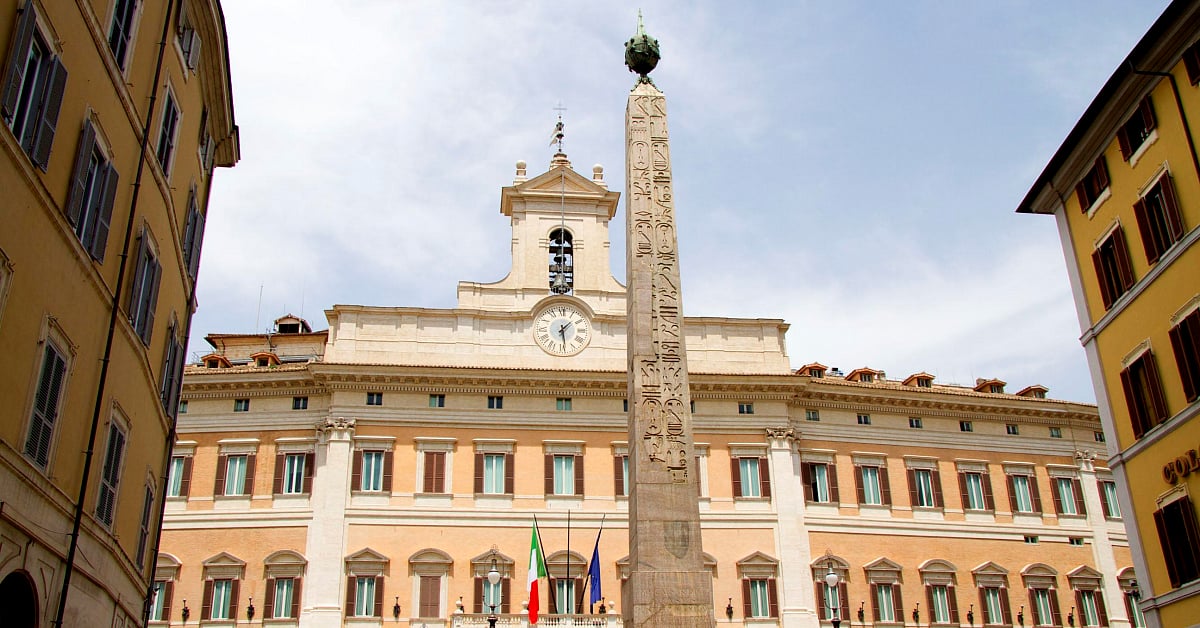
Augustus Sundial: Roman Emperor Augustus built this sundial in Rome, Italy's capital city, in 10 BC. In Latin, this sundial is called Solarium Augusti. A massive tall column was used as the main meridian line to keep track of the solar year.
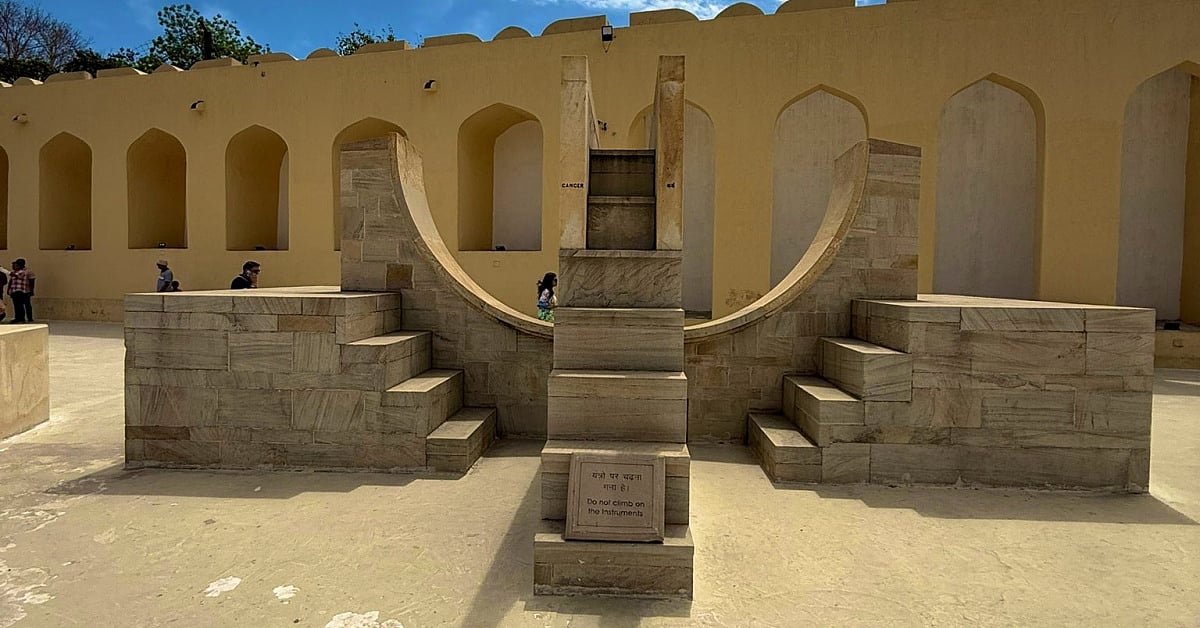
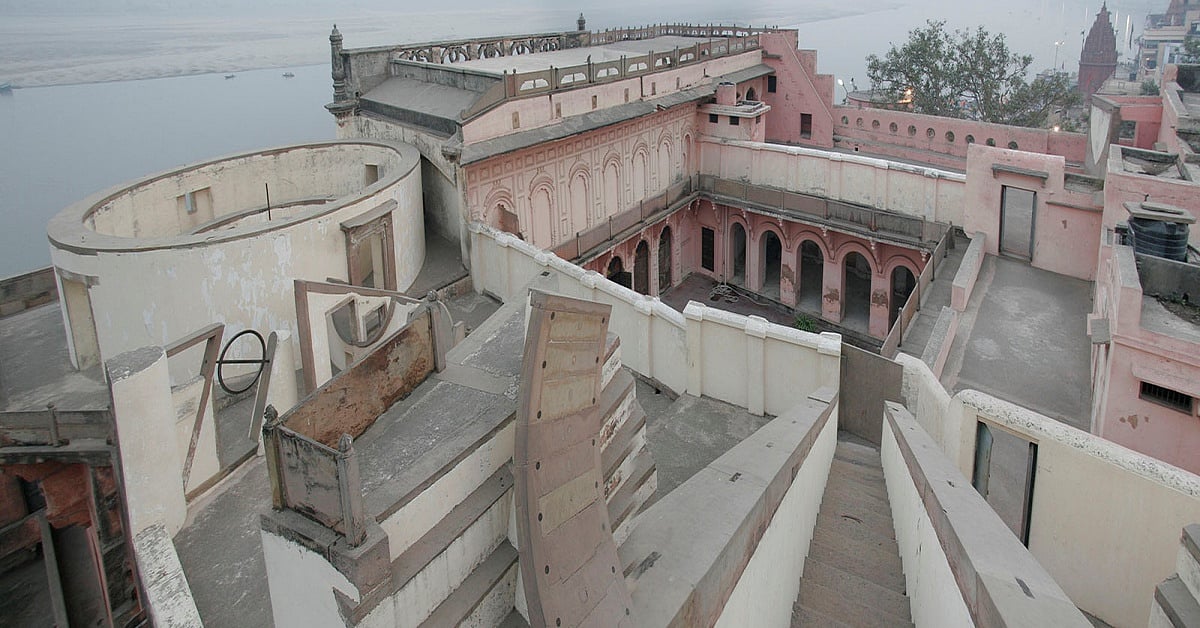
Samrat Yantra: In 1724, Maharaja Jai Singh II built Jantar Mantar in Delhi. Within this architectural complex lies the Samrat Yantra. This Samrat Yantra is the world's largest stone sundial. Standing at approximately 88 feet in height, this Samrat Yantra was built to precisely measure local time, where the rod's shadow moves 1 millimeter every second.
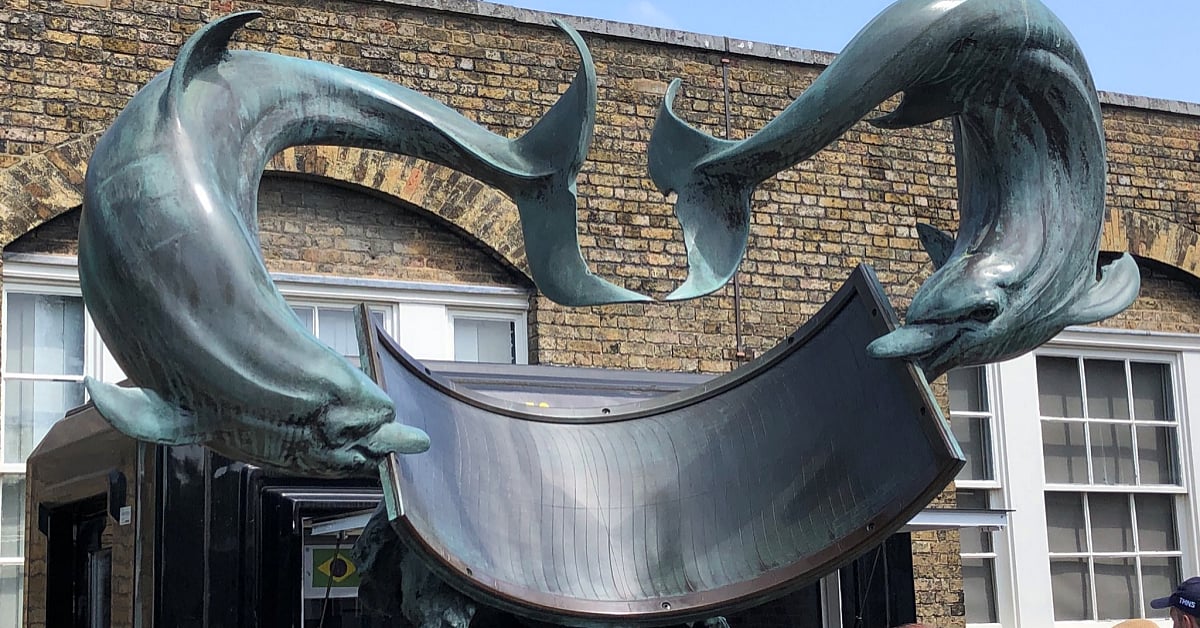
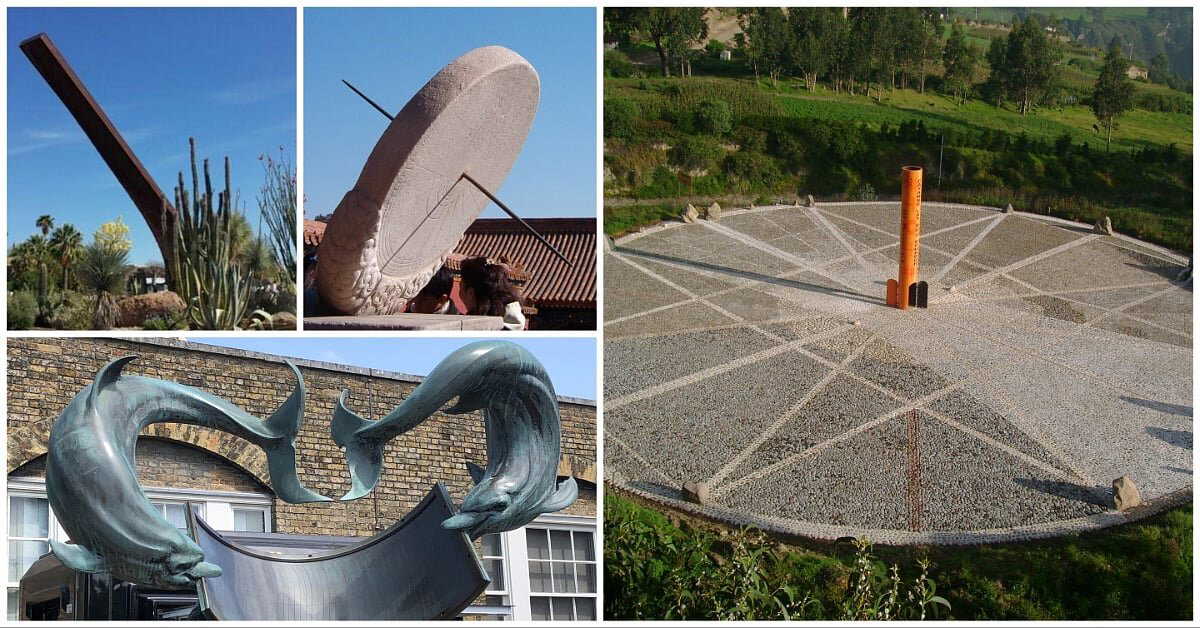
Royal Observatory Sundial, Greenwich: This sundial is located at the Royal Observatory in Greenwich, England. Its position is exactly along the prime meridian. In 1977, after Queen Elizabeth II's death, architect Christopher Daniel designed this sundial to honor her. Two bronze dolphins hold the main structure of this clock. When the dolphins' tail shadows fall on the clock, time can be determined by observing them.
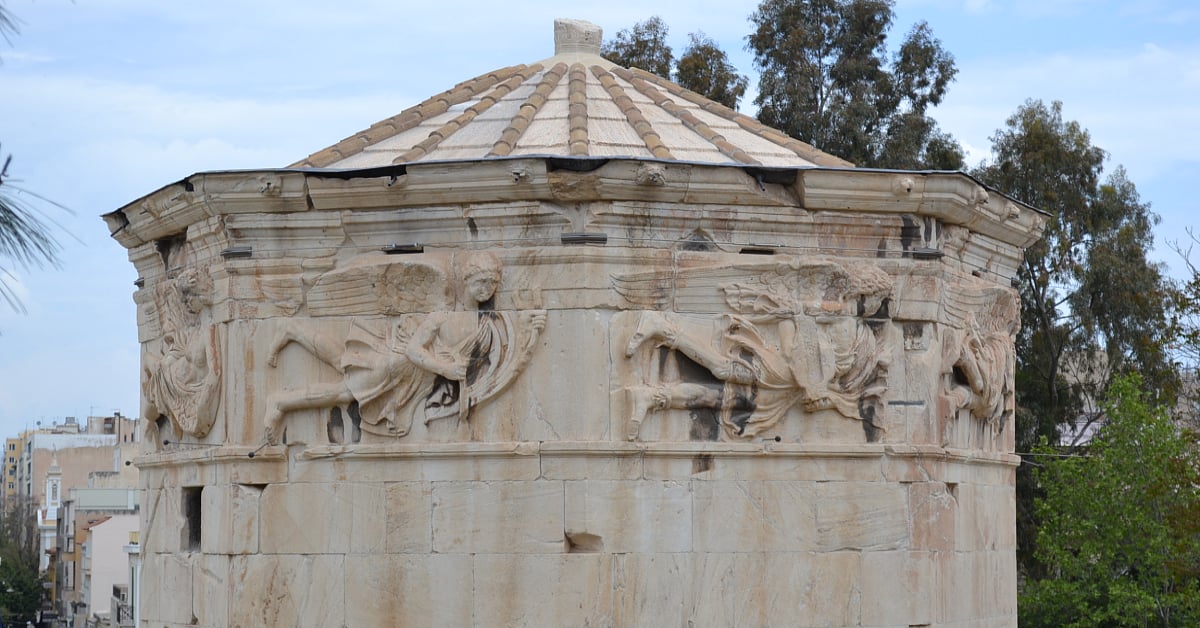
Tower of the Winds: This tower was built in Athens, Greece, about 100 years before Christ's birth. This octagonal tower functioned as a sundial in that era. Inside, there is also a large water clock.
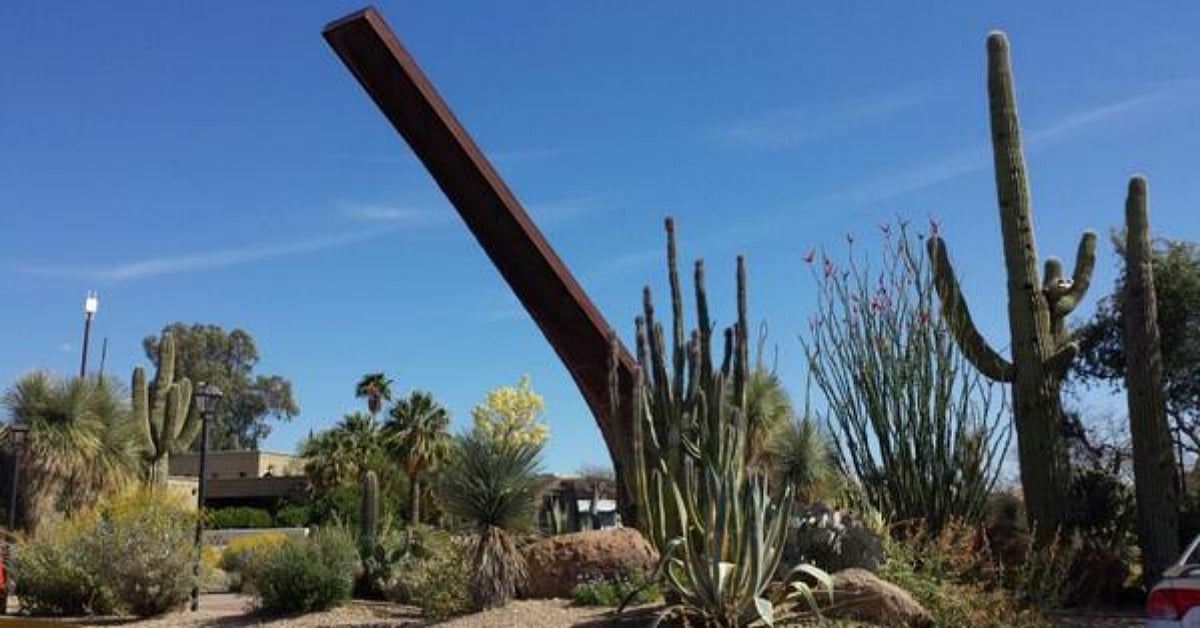
Carefree Sundial: This sundial is located in Carefree, Arizona, America. Made of steel and copper, this structure is approximately 90 feet long. There is no other sundial this large anywhere else in the Western Hemisphere. This clock is still used for calculating local time.
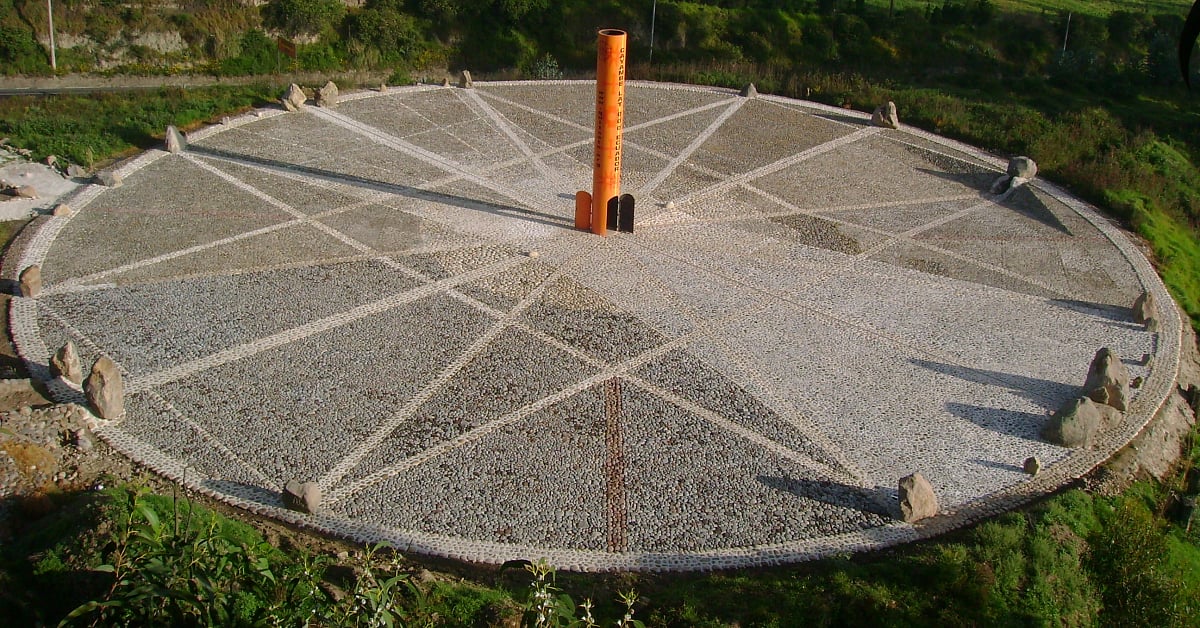
Quitsato Sundial: This massive sundial is located in Ecuador, South America. This enormous circular sundial has a radius of approximately 52 meters, with a ten-meter-tall orange rod in the center. With the help of this rod, not only can time be measured, but the sun's solstice and equinox can also be precisely calculated.