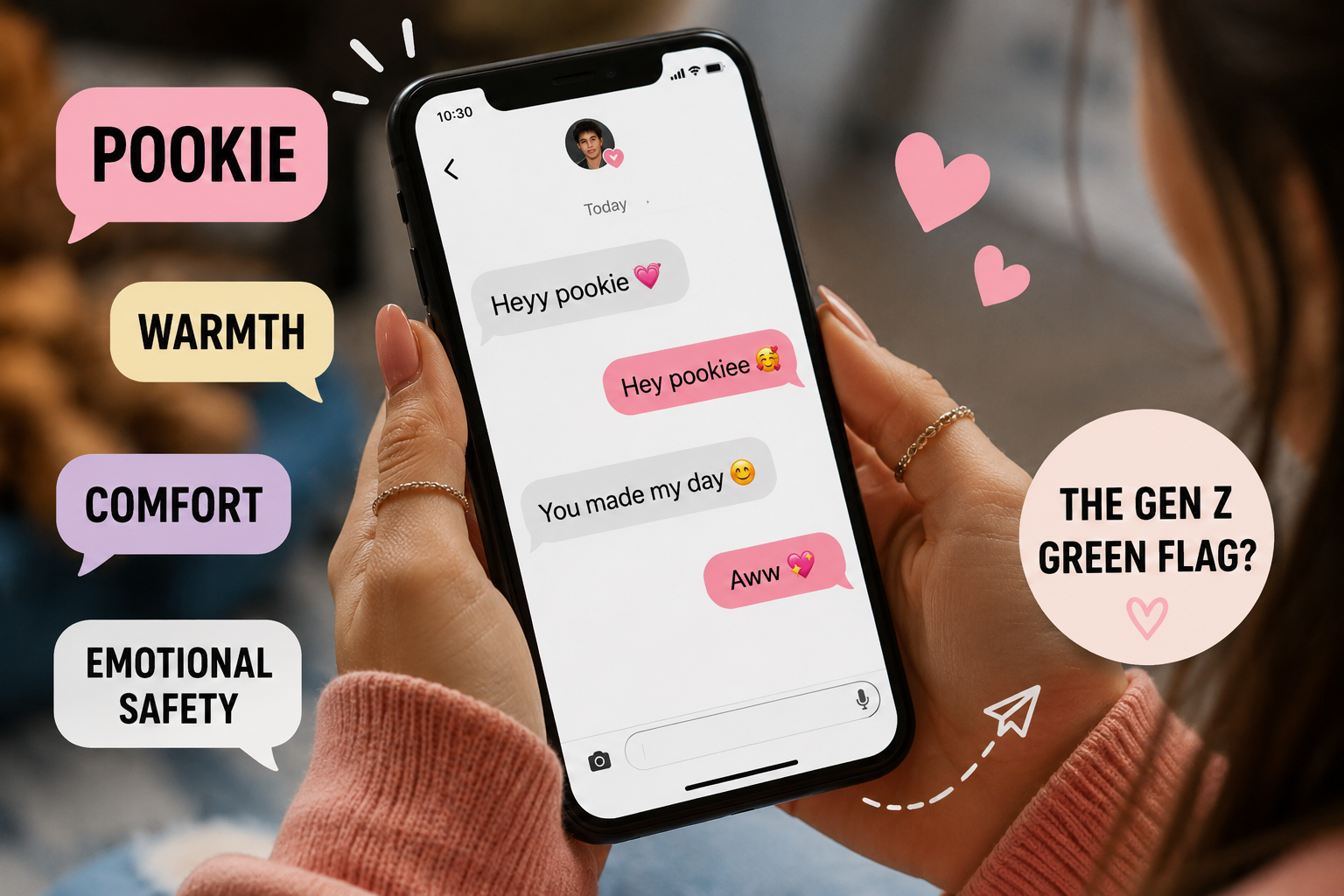
The language of dating is constantly evolving, and the latest term gaining attention online is “pookie”. What may sound like a simple pet name is increasingly being viewed as a subtle sign of affection and emotional comfort among younger daters. Relationship experts say the word has become part of a broader shift in how Gen Z communicates attraction, connection and intimacy.
Unlike traditional romantic labels, terms such as “pookie”, “paglu” and “baddie” are being used as emotional shortcuts that help people express feelings without the pressure of defining a relationship too early.
Also Read | Money conversations and softer masculinity could transform dating in 2026: Here's all you kneed to know
According to Tinder India data cited by News18, dating profiles increasingly feature personality-driven terms and playful expressions that reflect changing relationship dynamics. While terms like “baddie” and “paglu” have seen notable growth in user bios, “pookie” continues to remain a popular and consistent term of endearment in online conversations.
More than just a cute nickname
Relationship expert Dr Chandni Tugnait, associated with Tinder India, describes words like “pookie” as "micro-cues" that reveal how people perceive one another before a relationship is formally defined.
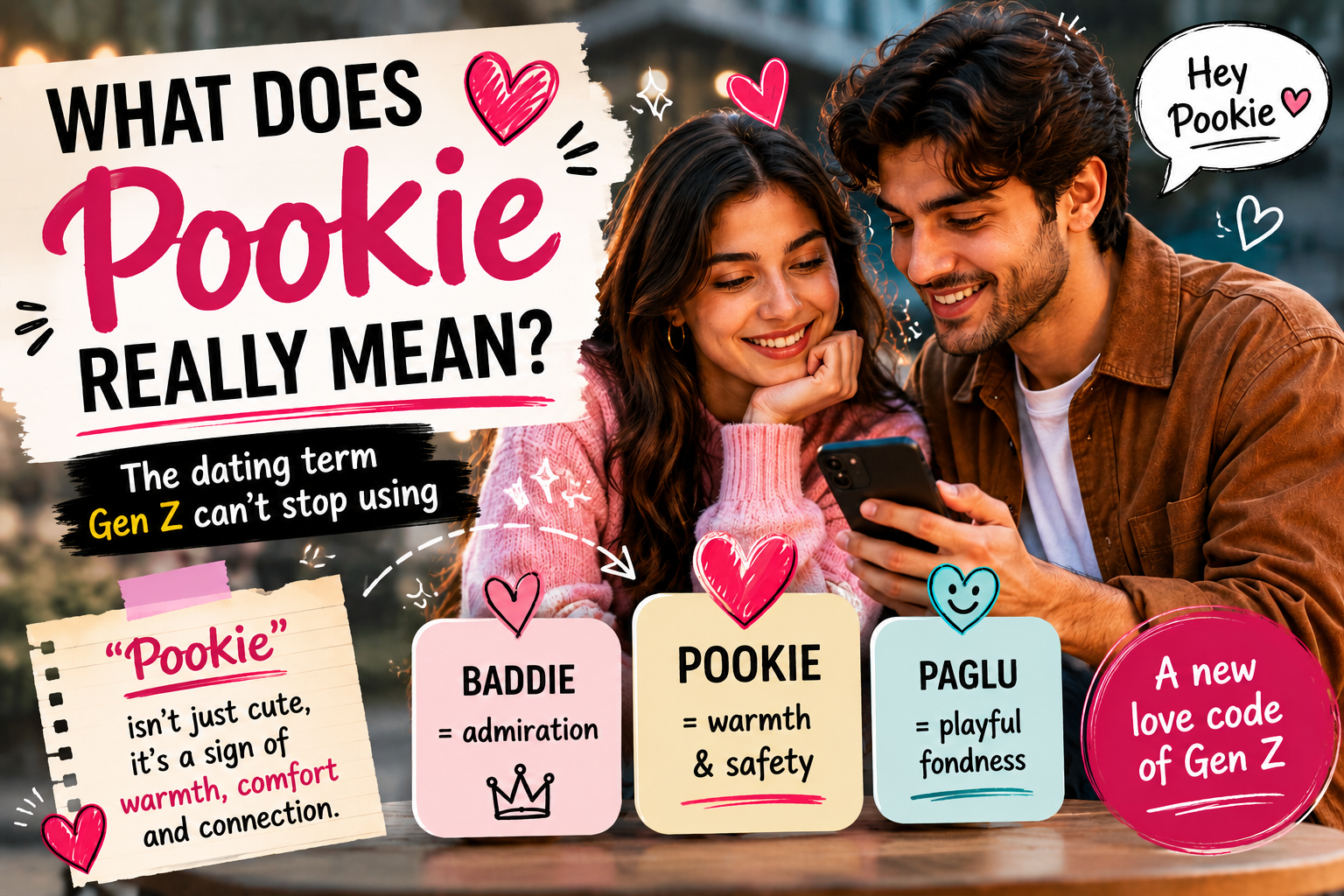
According to Tugnait, calling someone “pookie” often signals warmth, emotional safety and a sense of familiarity.
 AI GENERATED
 “If someone calls you pookie, they are not just being cute. It signals comfort and emotional ease,” she explained.
The expert notes that different nicknames communicate different emotions. While “baddie” may express admiration and confidence, “pookie” is more closely associated with security and affection. Meanwhile, playful terms such as “paglu” often create connection through humour.
How Gen Z is changing the language of relationships
According to experts, the younger generations are increasingly merging aspects of internet culture, therapy language and personal identity in expressing their romantic intentions.
The concepts of emotional safety, different attachment styles and emotional boundaries have long gone beyond the walls of a therapist's office and entered the realm of mainstream dating lingo, especially that used by Gen Z.
As Tugnait explains, soft terms such as "pookie" might denote comfort with vulnerability, whereas assertive titles may speak about people's preferences when it comes to their relationships. Still, according to the expert, one should not rely only on terminology to identify one's emotional style.
Also Read | Why are people sexting? The answer isn't what you think
"These are not definitive patterns, yet they give hints about someone's attitude towards closeness and emotional intimacy," she says. Indeed, the use of words like "pookie" speaks about the evolution of the dating game when one's attractiveness for a partner is measured not only in compliments but also in references and jokes made together.
As dating moves online, the importance of the most trivial things – for example, nicknames – becomes obvious. For millennials and Gen Z in particular, a nickname "pookie" is a great indicator of emotional comfort, confidence and emotional compatibility.