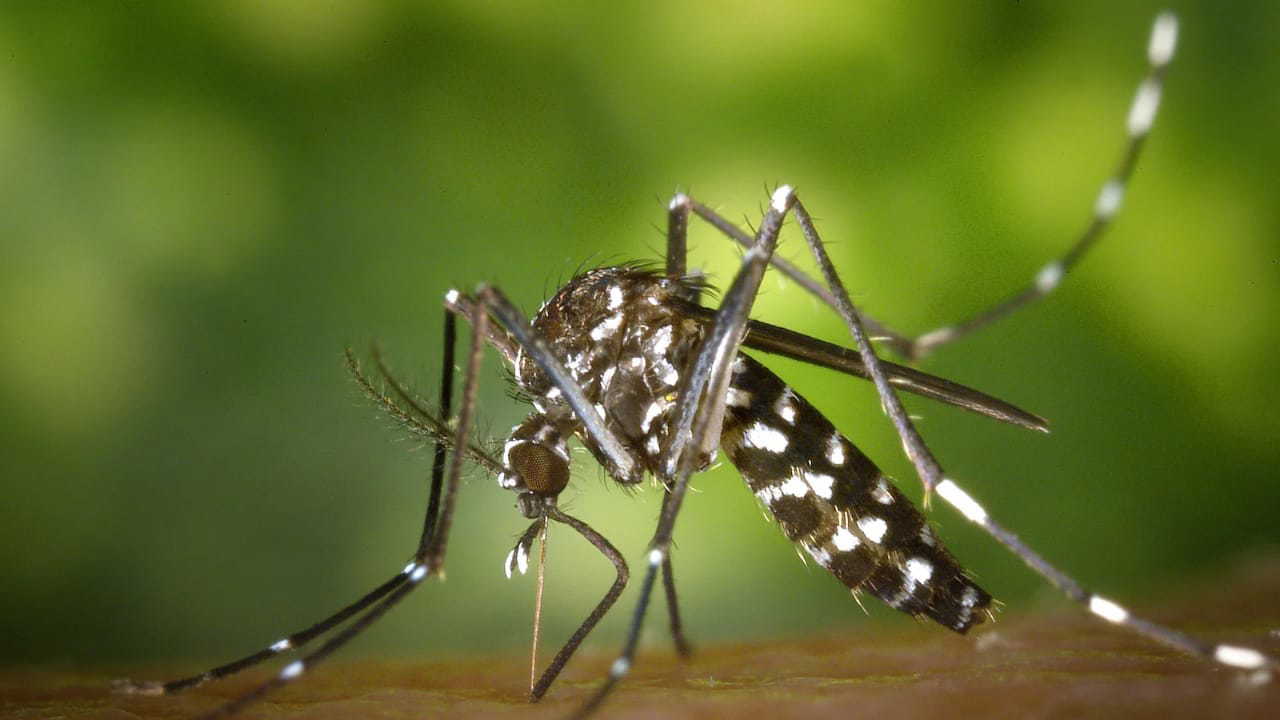
For decades, DEET has been regarded as one of the most reliable defences against mosquitoes and other biting insects. But new research suggests the relationship between mosquitoes and repellents may be more complex than previously thought.
Scientists have found evidence that mosquitoes can learn to associate the scent of DEET with a food reward, potentially causing them to stop avoiding the chemical and, in some cases, even become attracted to it. The findings have sparked concern among researchers and public health experts because DEET-based products remain a cornerstone of mosquito-borne disease prevention worldwide.
The study adds a new dimension to the understanding of how mosquitoes interact with repellents, suggesting that experience and learning may influence their behaviour alongside the chemical properties of the repellent itself.
Researchers uncover surprising behavioural shift
According to The Indian Express, the study, conducted by researchers from Virginia Tech and the University of Tours in France, focused on the yellow fever mosquito, a species known to spread diseases such as dengue, Zika, yellow fever and chikungunya.
To test whether mosquitoes could learn to associate DEET with a reward, researchers exposed the insects to the smell of the repellent while presenting them with a warm blood source that they could sense but not reach. After repeated exposure, many of the mosquitoes began responding differently to the scent.
Scientists found that more than half of the trained mosquitoes attempted to feed when exposed only to the smell of DEET. In further experiments, mosquitoes that had undergone conditioning were more likely to approach a DEET-treated hand than insects with no prior exposure.
Also Read | Transit through Frankfurt and Munich? Indians no longer need THIS visa
Why do the findings matter?
According to The Indian Express, researchers believe the results highlight the possibility that mosquitoes may develop learned responses under certain real-world conditions. If a mosquito encounters DEET but still manages to obtain a blood meal after the repellent concentration weakens, it could begin linking the scent with a successful feeding opportunity.
This behavioural adaptation could potentially reduce the effectiveness of repellents over time in specific situations. Experts stress, however, that the findings do not mean DEET has stopped working or should be abandoned as a protective measure.
Instead, the study underscores the importance of understanding how mosquito behaviour evolves and how control strategies may need to adapt alongside it.
Also Read | What is the ‘Beijing Bikini’ and why is it going viral again?
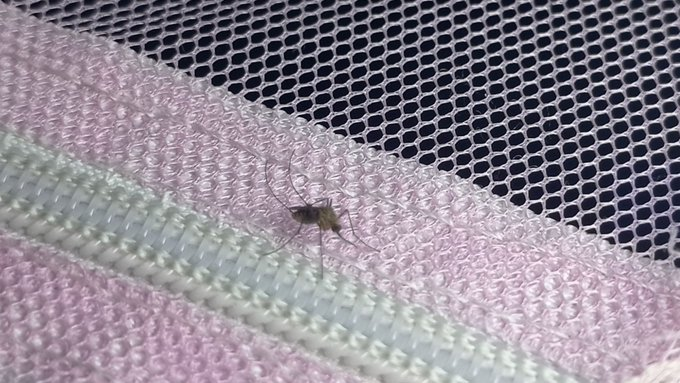 Community-level vector control programmes also play a critical role in limiting mosquito populations and disease transmission. X/@OwenGregorian
 Experts urge a broader approach to protection
According to The Indian Express, public health specialists say the research reinforces the need for multiple layers of mosquito protection rather than relying solely on repellents.
Measures such as eliminating stagnant water, using mosquito nets, installing window screens and wearing protective clothing remain essential tools in reducing exposure to mosquito bites. Community-level vector control programmes also play a critical role in limiting mosquito populations and disease transmission.