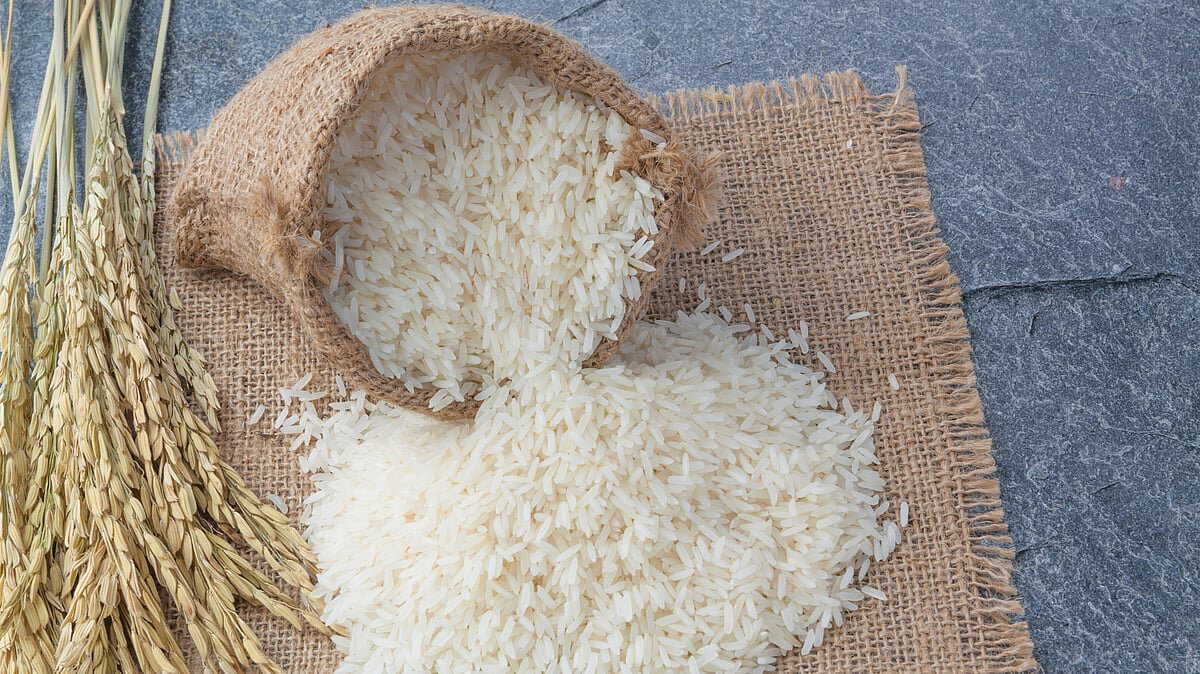
With food adulteration becoming increasingly common, concerns about the purity of daily essentials like rice have also grown. Allegations of plastic-made rice are not new, but ensuring that the rice you consume is safe remains crucial. Identifying adulterated rice with the naked eye is difficult. However, there are a few simple techniques that can help verify whether the rice is real or fake at home.
Also Read | Scoliosis treatment initiative begins at school level, Spine Research Foundation flags lack of awareness
Water and fire tests to detect fake rice
One of the easiest methods is the water test. Take a bowl of water and drop a handful of dry rice into it. Plastic rice is lightweight and will float on the surface, while genuine rice will sink to the bottom.
Another method involves burning the rice. When real rice is exposed directly to fire, it emits a smell similar to burning starch and gradually turns black. Plastic rice, on the other hand, melts when it comes into contact with fire and releases a smell similar to burning plastic. Such rice should not be cooked or consumed.
Also Read | Craving desserts while staying fit? Influencer suggests 90-calorie calcium balls
Boiling method to check rice purity
Rice can also be tested by boiling it without adding salt or oil. After boiling, mash the rice with your hands. Plastic rice requires more force to mash and feels rubbery, while real rice mashes easily and forms a soft paste. Genuine rice also gives off a pleasant aroma after boiling.
Additionally, boiled rice can be pressed with a finger. If it breaks easily, it is real rice. If it resists pressure, it may be adulterated.