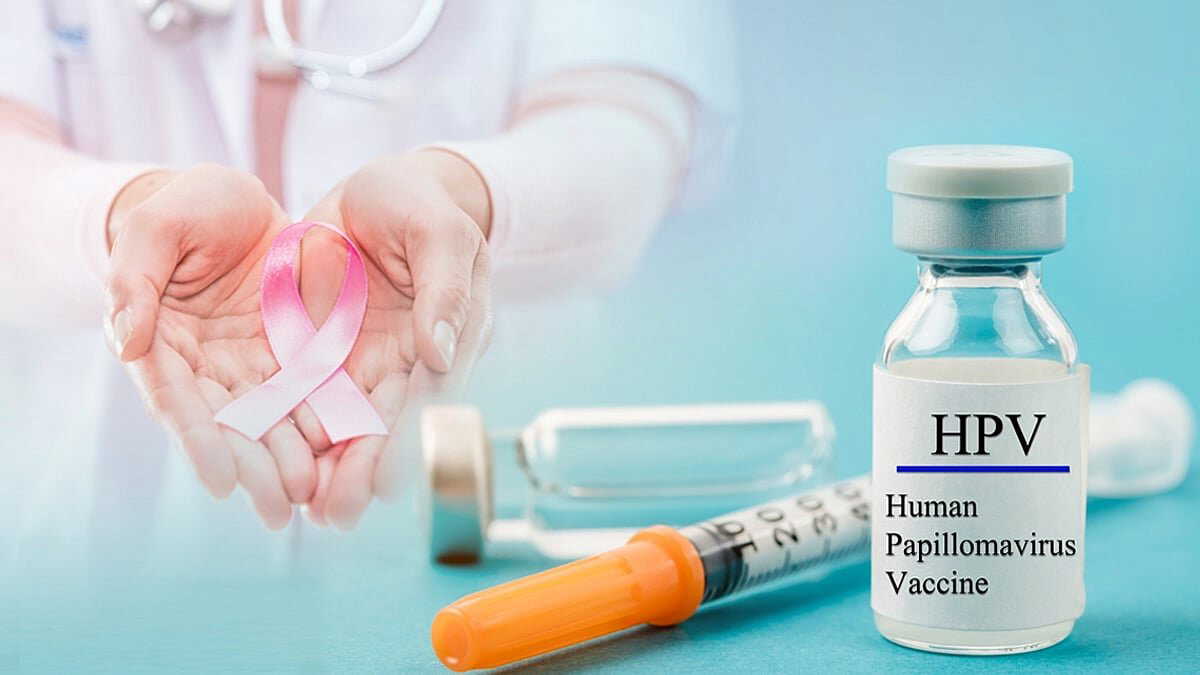
Free HPV vaccination camps will soon begin across India. The Centre plans to offer the vaccine mainly to 14-year-old girls to prevent cervical cancer.
After breast cancer, cervical cancer has one of the highest case rates among Indian women. To understand more, we spoke to gynaecologist Dr. Jayati Mandal.
Many people think HPV vaccines are only for cervical cancer. Dr. Mandal says that is not correct. "The matter is not like that at all. Human papillomavirus can cause not only cancer but also various types of sexually transmitted diseases. HPV vaccines prevent those diseases."
HPV means human papillomavirus. There are more than 200 types. It spreads through skin-to-skin contact, mainly sexual contact, including oral sex. The virus can stay dormant for years. Most infections heal on their own. But some types can cause cancer.
Who should take the vaccine?
The campaign in India will focus on 14-year-old girls. Doctors say women can take the vaccine up to 26 years of age. Taking it at 40 or 45 "makes no sense," doctors say.
Also Read | Planning a trip to UK? You might not be able to board public transport without THIS new authorisation
There is no link with puberty. What matters is whether the person is sexually active.
Both women and men can take the vaccine. But in India, awareness among men is low. There is no national vaccination plan for boys yet. In countries like England, the NHS gives free HPV vaccines to schoolboys.
The vaccine can reduce 80 to 90 per cent of the risk. Condoms offer some protection, but not complete.
Types, safety, and tests
Two main vaccines are available. HPV types 16 and 18 cause most cervical cancers. The quadrivalent vaccine Gardasil protects against these. It is costlier. Another vaccine is also available at a lower price.
Also Read | Black coffee, green tea or matcha: Which drink is healthiest for your gut?
For women, Pap smear and HPV screening tests can detect infection. There are no routine screening tests for men yet.
Is the vaccine safe? Doctors say it is completely safe. No serious problems have been reported. It does not affect ovulation. However, it should not be taken during pregnancy. The Union government's free camps aim to raise awareness and reduce future cancer cases.