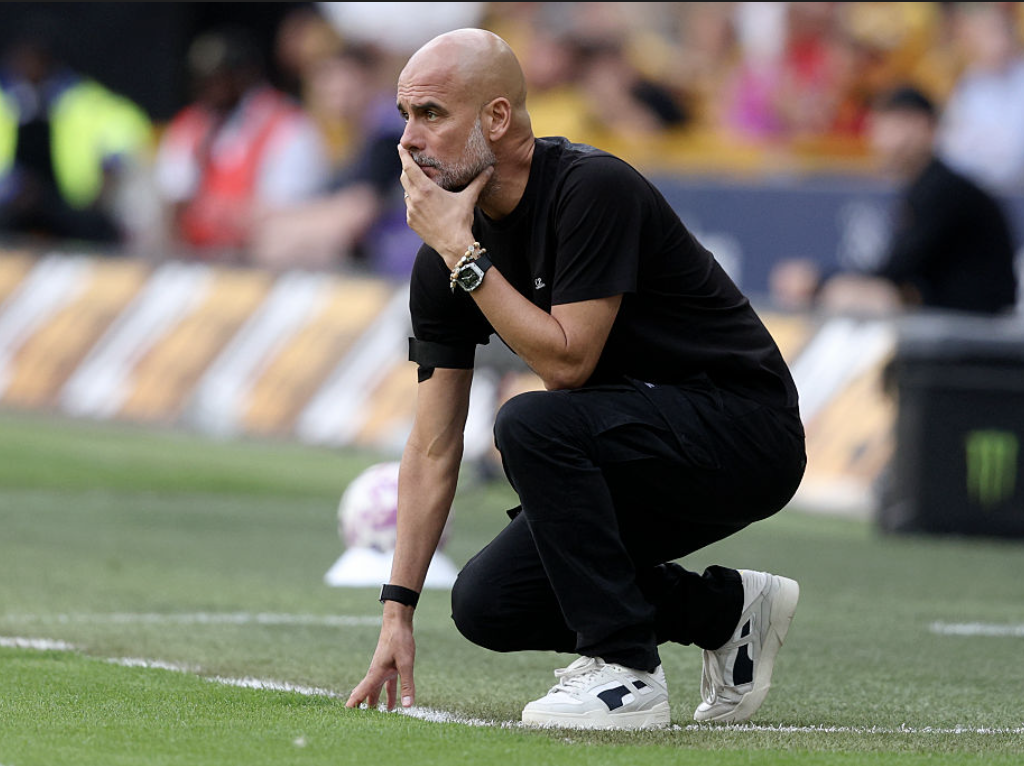
The scheduling of fixtures by the Football Association and the Premier League has come under fire, with Pep Guardiola left grappling with a punishing run of games that could impact Manchester City’s priorities. A congested calendar has created a situation where even an FA Cup final risks being overshadowed.
Tight turnaround raises concerns
Manchester City are set to play three crucial matches in just seven days, including a league clash against Crystal Palace, the FA Cup final against Chelsea FC at Wembley, and a Premier League trip to AFC Bournemouth only three days later.
This tight turnaround leaves Guardiola with a major dilemma. With limited recovery time, he may be forced to rotate heavily for one of the fixtures, raising the possibility that City might not field their strongest lineup in the FA Cup final.
Changing traditions add to frustration
One of the key criticisms centres around the shifting of the FA Cup final from its traditional position as the season’s concluding showpiece. By scheduling it during the ongoing league campaign, authorities have effectively created fixture overlaps that diminish its importance.
The removal of FA Cup replays and the expansion of European competitions have further increased congestion, squeezing top clubs into increasingly demanding schedules.
Also Read | Barcelona line up backup striker targets as Alvarez chase intensifies
Pressure on priorities and squad depth
Despite boasting one of the deepest squads in world football, Guardiola now faces a balancing act between domestic and league commitments. While City’s squad value and depth offer some flexibility, the intensity of top-level football means recovery and preparation remain critical factors.
Also Read | Fabregas committed to Como project despite Premier League links
The situation highlights a broader issue within modern football, where commercial demands and expanded competitions are stretching calendars to the limit. For City, the immediate challenge is clear: navigate a brutal run-in without compromising their chances across competitions, even if it means making unpopular selection decisions.