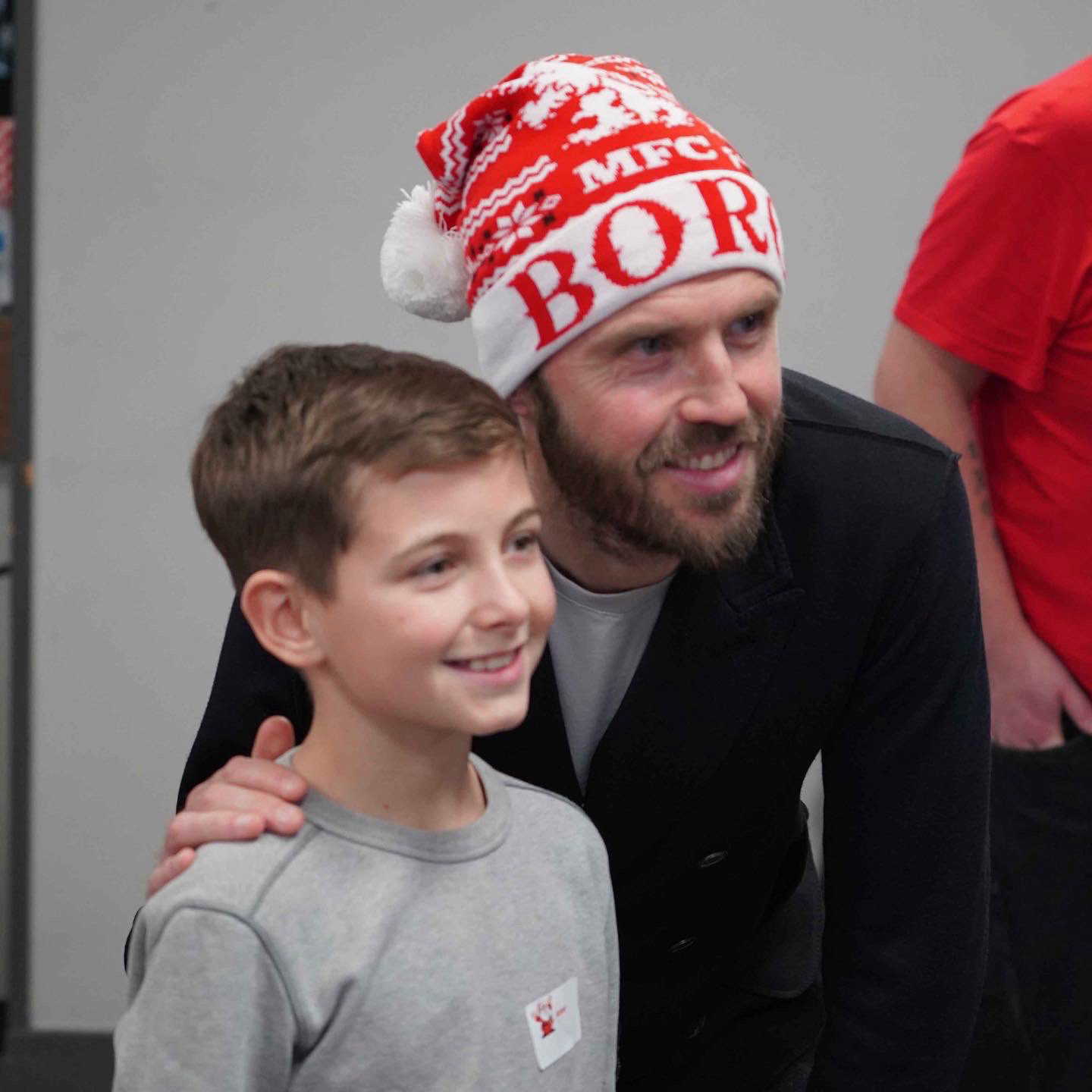
When Michael Carrick took charge of Manchester United, the club was at one of its lowest points in the modern era. A shocking 15th-place league finish had damaged confidence across the squad, supporters had grown frustrated, and the team appeared tactically directionless. Carrick inherited not only a struggling football side but also a fractured dressing room searching for stability.
His first major contribution was restoring calm. Carrick immediately moved away from the chaotic, transition-heavy football that had left United exposed throughout the previous season. Instead, he implemented a more measured system based on controlled possession, positional discipline, and coordinated pressing.
United began building patiently from the back rather than forcing direct attacks. Midfielders operated closer together, allowing the team to retain shape and reduce the large gaps that opponents had previously exploited so easily.
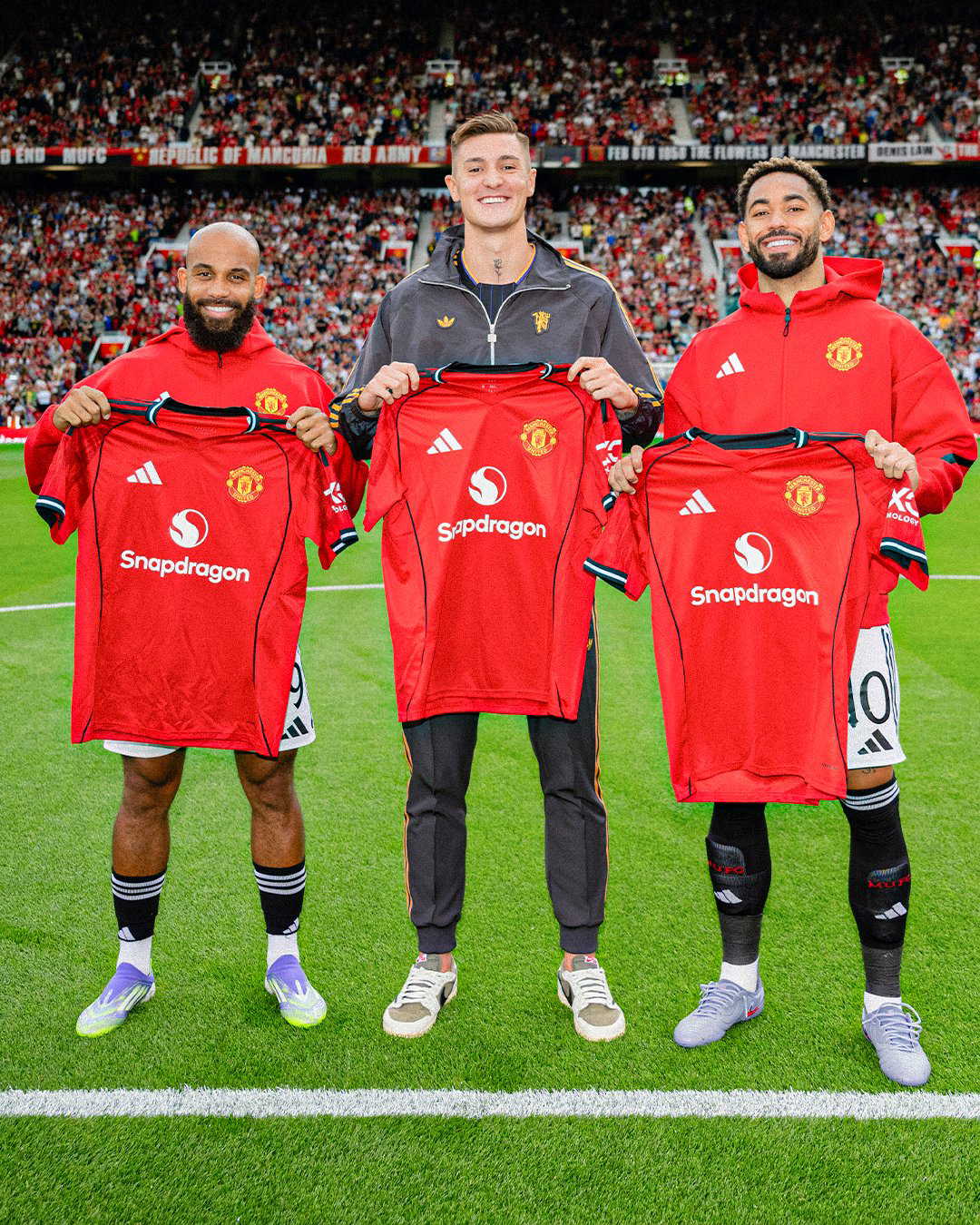 The arrivals of Matheus Cunha, Bryan Mbeumo, and Benjamin Šeko played a massive role in Carrick’s tactical rebuild (X/@ManUtd)
 Cunha and Mbeumo changed United’s attack
The arrivals of Matheus Cunha, Bryan Mbeumo, and Benjamin Šeko played a massive role in Carrick’s tactical rebuild.
Cunha brought creativity and unpredictability to the frontline. Rather than functioning as a traditional penalty-box striker, he constantly drifted into deeper areas, linking midfield and attack while creating space for runners around him. His technical ability allowed United to play through tight defensive structures far more effectively than before.
Mbeumo added balance on the right flank with his pace, movement, and relentless work rate. His ability to stretch defensive lines gave United more width in attack, while his defensive contribution became equally valuable. Carrick’s pressing system relied heavily on wide players tracking back aggressively, and Mbeumo quickly became one of the team’s most important tactical pieces.
When Benjamin Šeko was added to the squad, he gave Michael Carrick’s system another important dimension in attack. Unlike United’s previous forwards, Šeko combined physical presence with mobility and technical ability. His height and aerial strength made him a constant threat inside the box, while his pace allowed United to attack space more effectively during transitions.
Carrick used Šeko not only as a goalscorer but also as a tactical focal point. The Slovenian striker’s movement created room for players like Bruno Fernandes, Matheus Cunha, and Bryan Mbeumo to operate around him. His ability to hold up the ball helped United sustain attacks higher up the pitch, something they struggled to do during the previous season.
Together, the three signings gave United a far more dynamic and fluid attacking structure compared to the static approach that had plagued the side previously.
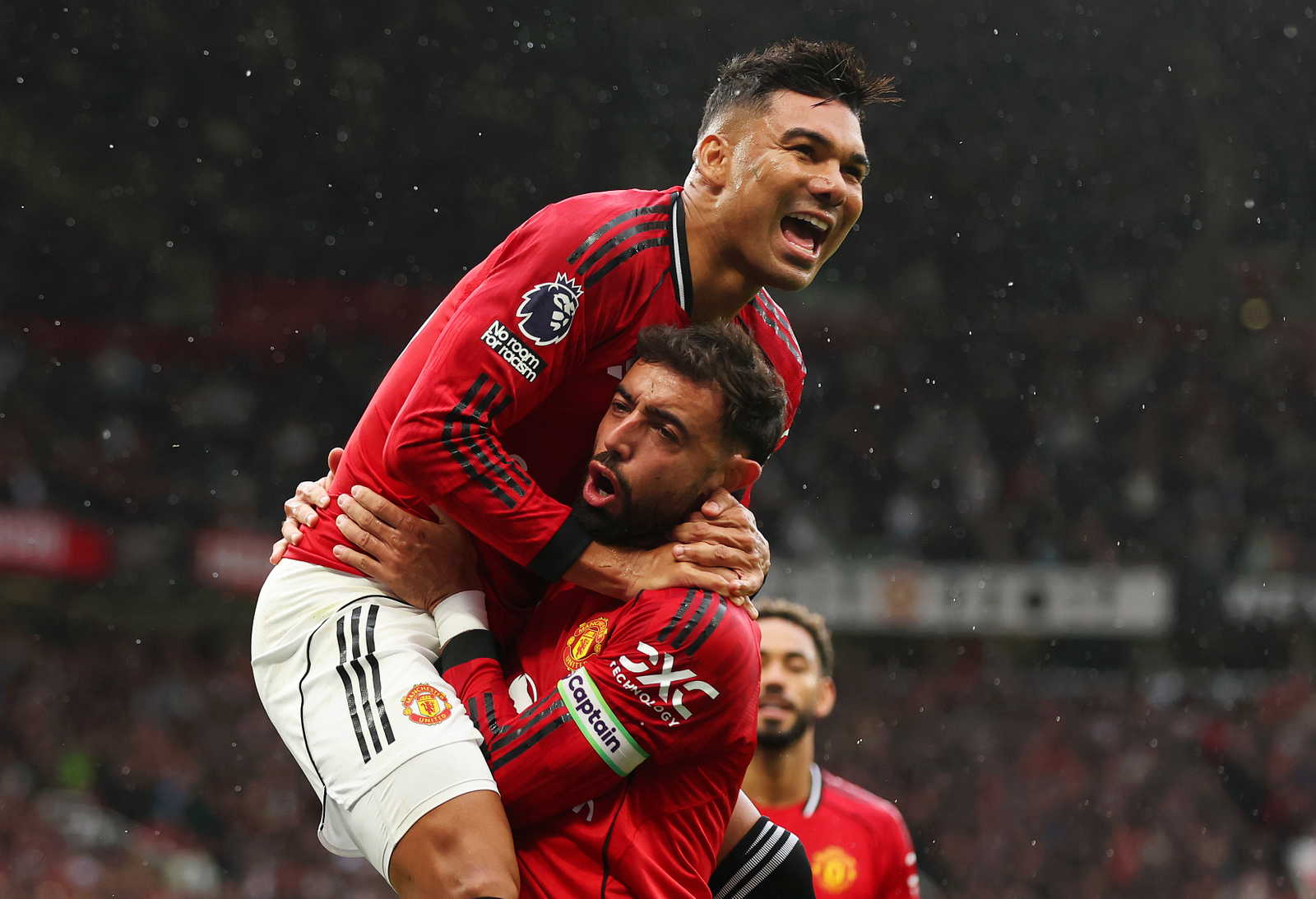 Carrick’s system also revitalised senior figures like Bruno Fernandes and Casemiro (X/@MUFCScoop)
 Bruno Fernandes and Casemiro rediscovered their best form
Carrick’s system also revitalised senior figures like Bruno Fernandes and Casemiro.
Fernandes no longer had to force risky passes every few minutes in an attempt to rescue games single-handedly. Carrick allowed him freedom in advanced areas while ensuring the team’s structure remained intact behind him. The result was a more efficient and influential version of Fernandes, who regained control of matches as United’s chief creator and emotional leader, providing 21 assists in a record-breaking season.
Casemiro benefited equally from the improved organisation. During the previous season, the Brazilian was frequently isolated in midfield and exposed during defensive transitions. Under Carrick, United defended in a far more compact shape, allowing Casemiro to focus on reading the game, intercepting passes, and organising the midfield instead of constantly firefighting.
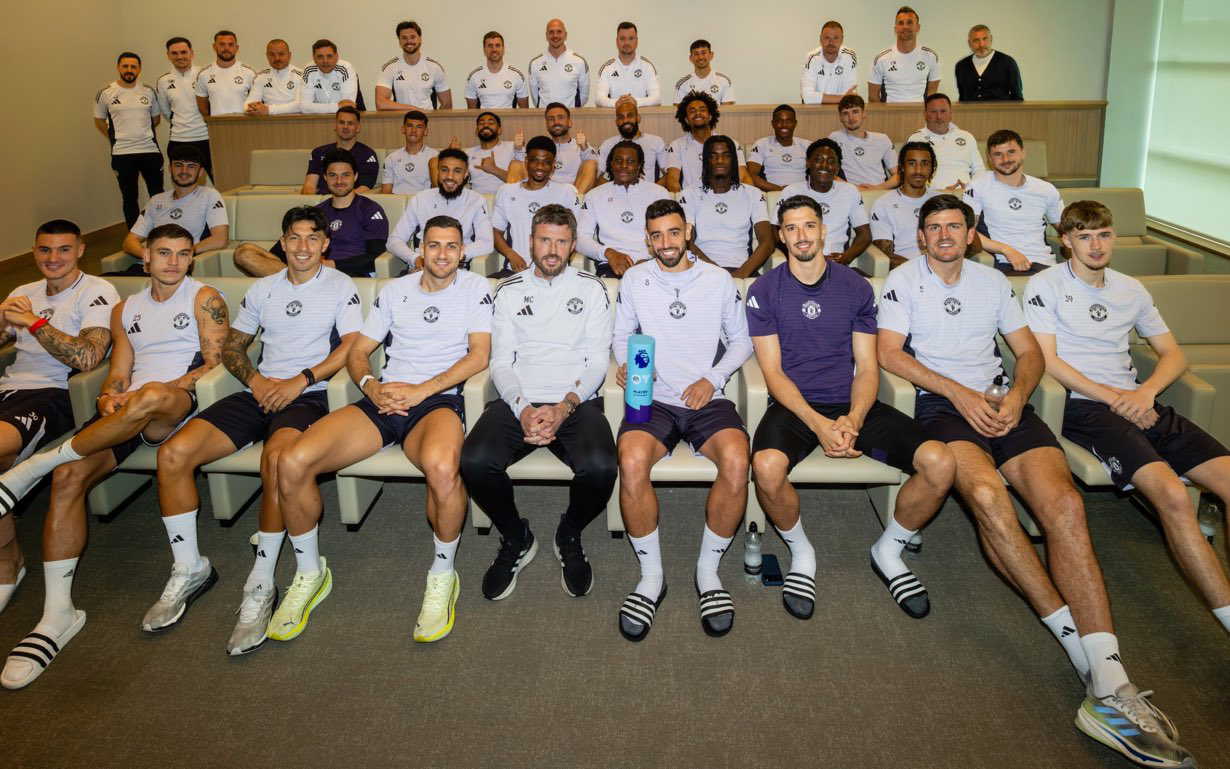 The club was more keen on training sessions became more collaborative, communication between players and coaches (X/@thomasalencr)
 Dressing room atmosphere finally stabilised
Perhaps Carrick’s biggest success came away from the pitch. The club was more keen on training sessions became more collaborative, communication between players and coaches improved, and senior leaders took greater responsibility within the squad.
Fernandes and Casemiro emerged as key dressing room figures in rebuilding confidence after the disastrous campaign. Carrick’s calm personality also helped reduce the tension that had surrounded the club for months.
The combination of tactical clarity, intelligent recruitment, and restored leadership transformed United into a far more balanced side. After the embarrassment of finishing 15th, the club finally began to look organised, competitive, and emotionally stable again under Carrick’s management.