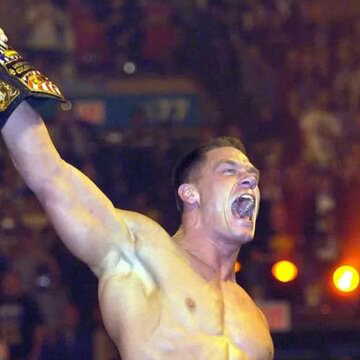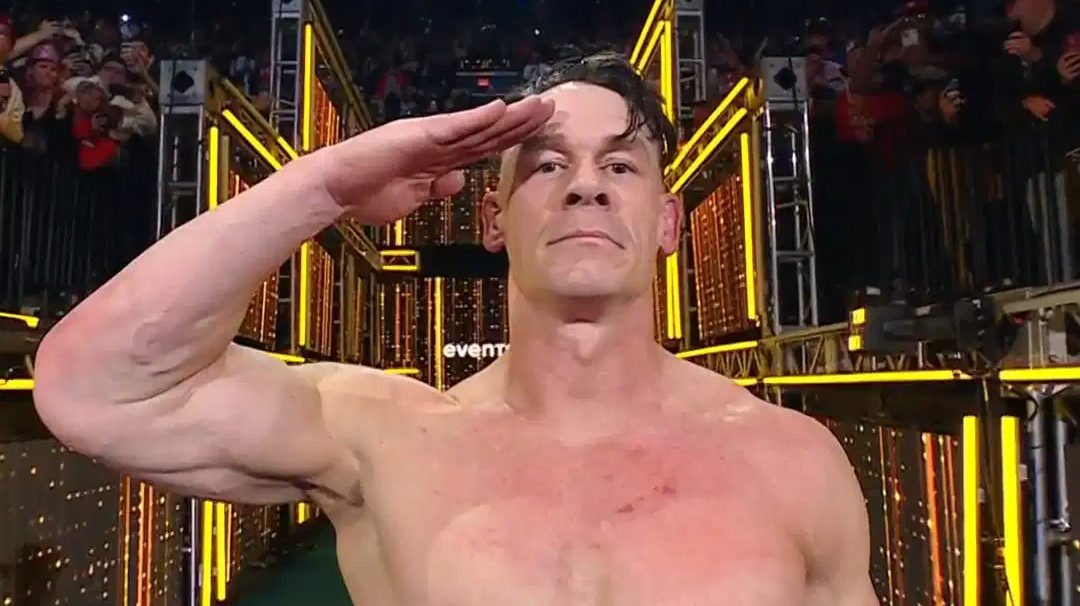
As John Cena stepped into the ring for the final time at WWE Saturday Night’s Main Event, the company closed the chapter on one of the longest and most influential runs in professional wrestling history.
The 48-year-old brought his in-ring career to an end on Saturday night at Washington DC’s Capital One Arena, where he lost to Gunther after being forced to submit to a sleeper hold in a match lasting just under 25 minutes. It was the first submission loss of Cena’s 24-year WWE career.
After the match, Cena left his wristbands and boots in the ring, which is a long-standing symbol of retirement, before saluting the crowd and walking up the ramp for the final time.
For more than two decades, Cena was not only WWE’s top star but a central figure in reshaping how the company presented its heroes, expanded globally, and transitioned into a post–Hulk Hogan, Stone Cold Steve Austin and The Rock era.
Here are five moments which not only shaped the career of John Cena but changed the course of WWE in some way.
'Ruthless Aggression': The debut that changed everything (2002)
John Cena introduced himself in an episode of Smack Down on June 17, 2002, in response to Kurt Angle’s challenge to any wrestler. Rather than display signs of nervousness, this rookie went on to flaunt ‘Ruthless Aggression’ and slapped the Olympic gold medallist across the face.
Cena ended up losing the match, but this performance shook WWE up immediately. WWE saw a new kind of main-event prospect which was confident, fearless, and willing to confront authority. The phrase “Ruthless Aggression” soon became the name of an entire era.
'Word Life' & the rise of The Doctor of Thuganomics (2003)
Following a slow start on television, Cena’s future in the WWE seemed unsure for a brief time. However, this changed when Stephanie McMahon overheard him freestyle rapping on a tour bus, leading to the creation of The Doctor of Thuganomics persona.
His rapper alter ego took off, especially during his feud with Brock Lesnar. A planned heel character quickly won over the crowd, which forced a change in plans for WWE. Cena went from being a disposable character to being an indispensable one.
WrestleMania 21: Winning his first world title (2005)
On April 3, 2005, Cena challenged JBL for the WWE Championship at WrestleMania 21. This match marked a clear generational shift.
When Cena delivered the Attitude Adjustment and secured the pinfall, WWE officially crowned its new face. The victory launched his long run at the top and introduced the spinner WWE Championship, a visual symbol of a new generation.
Drafted to Raw: Becoming the company’s centrepiece (2005)
Barely two months had elapsed when WWE shockingly took the Current WWE Champion from SmackDown to Raw in 2005 during the WWE Draft. The significance of this transfer went beyond a simple change in wrestling brands.
Raw became Cena’s home for nearly ten years, with WWE constructing their key programming television series around this star. The move entrenched Cena in the central role for WWE during one of its most commercially driven periods, while SmackDown pivoted around Batista.
Announcing his retirement tour (2024)
During Money in the Bank 2024, Cena announced that his farewell run had started. The announcement reframed his final matches as moments of reflection rather than dominance. WWE also posted that Cena has announced his retirement in 2025.
His final win at WrestleMania over Cody Rhodes, and subsequent loss of a title at SummerSlam in 2025, marked the end of a career marked by both longevity and a constant evolution. He later won a Grand Slam title before retiring.
The final chapter
That streak ended on Saturday night when Gunther beat Cena, making him submit for the first time in his wrestling career. Afterwards Cena’s quiet exit with wrestling gear left in the ring proved a confirmation of what people already were aware of.
The WWE has also posted a video as a form of tribute to John Cena, calling him the "Greatest of All Times." John Cena’s retirement marks the end of an era that shaped WWE for more than two decades. His influence, however, will remain embedded in how the company builds its stars, tells its stories, and presents its heroes.