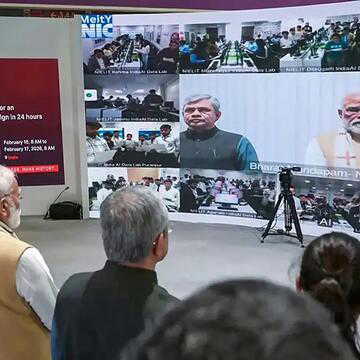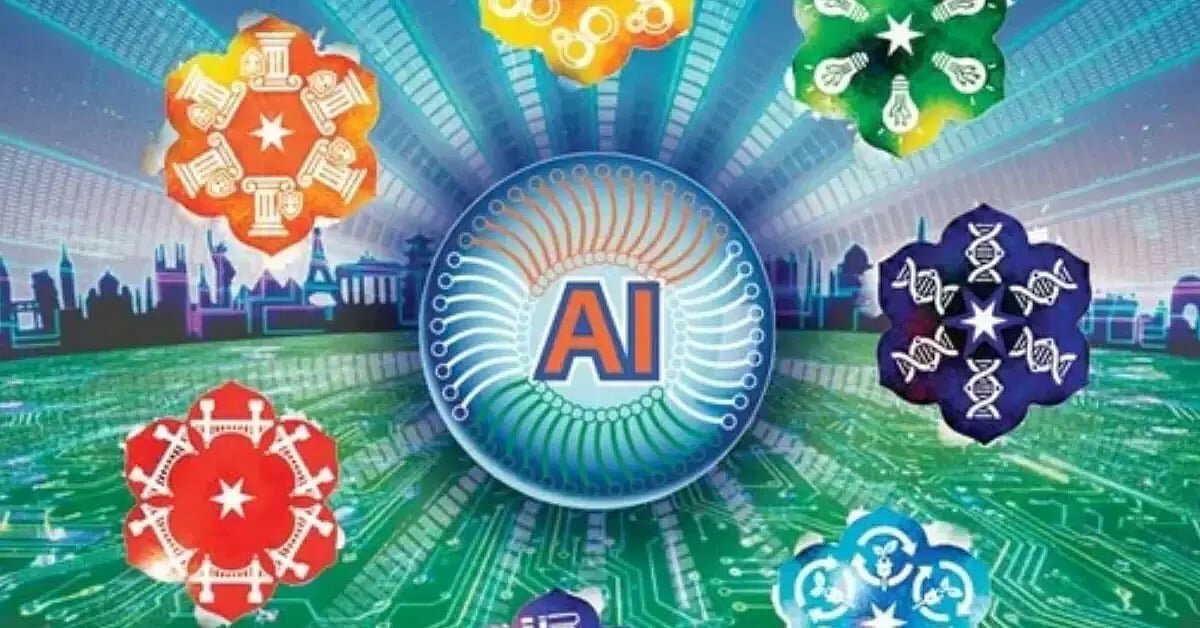
Artificial intelligence (AI) has rapidly moved to the heart of India’s technology landscape, education system, economy and broader society. The country is now among the world’s largest users of generative AI tools. The central government is preparing to introduce AI education at the school level, while thousands of crores have been allocated under the IndiaAI Mission to strengthen research, innovation and infrastructure.
India is also set to host a major AI Summit of the Global South, positioning itself as a key voice in shaping the future of the technology.
At the core of the conversation is a crucial shift in perspective: AI is no longer just a tool, but a strategic asset. The pressing questions now revolve around who will deploy it, how rapidly it will be adopted, and who will ultimately control its development and governance.
Thinking capacity: AI usage is changing learning patterns
Research has shown that those who regularly use AI may have lower critical reasoning skills, especially in the case of 17-25 year olds. Many students are avoiding the learning process by taking answers directly from AI. However, if used correctly, AI can also improve the quality of learning. India wants to introduce AI education from the third grade. Therefore, creating a balance between using AI as an aid and maintaining thinking capacity will be important.
ALSO READ | NHAI cautions against fake FASTag Annual Pass links amid rising online fraud
Culture: AI is reducing diversity and creating uniform thinking
Research has shown that while AI increases individual creativity, it creates similar ideas overall. In India's case, it has been observed that AI usage often reduces local culture and religious context and shows more Western patterns. At the same time, 69% of Google searches now end without going to any website, resulting in harm to original content creators.
Technological sovereignty: Dependence on foreign technology is a major challenge
The IndiaAI Mission budget is ₹10,372 crores, which is less compared to major technology companies. India does not have its own advanced GPU production, and most AI tools depend on foreign models. However, initiatives like Sarvam AI are trying to create Indian artificial intelligence models. In the long term, it is essential to increase India's own technology, computing capacity and investment.
Employment: Pressure on IT jobs, but new work opportunities are also being created
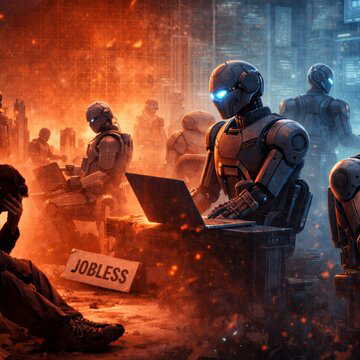
Due to AI, pressure on jobs in the IT sector is increasing. For example, the Nifty IT index has declined by 20.5%, and TCS has reduced 12,261 employees in nine months. On the other hand, demand for new types of labour is increasing in the creation of AI infrastructure. Reaching AI to India's 49 crore informal labourers is a major challenge.
ALSO READ | UP police probe new cyber fraud pattern as funds vanish without customer negligence
Truth and trust: Deepfake risks are rapidly increasing
In 2025, the number of deepfakes increased to 8 million, from 5 million in 2023. Deepfake technology is weakening people's trust because distinguishing between truth and falsehood is becoming difficult. India's over 80 crore internet users and widespread use of WhatsApp have further increased this risk.
Scientific discovery: AI is creating new possibilities in research
DeepMind's AlphaFold has predicted over 20 crore protein structures, and 30 lakh scientists worldwide are using it. Through AI, the work of creating new medicines and weather forecasts is accelerating. However, 90% of large AI models are now in the hands of the private sector, resulting in technology development capabilities being concentrated among a limited number of companies.
Control and policy: Lack of government transparency in AI usage
India is currently controlling AI through voluntary guidelines. However, there is a lack of transparency in government AI usage. There is no public registry or independent audit for the use of facial recognition or AI in welfare. In the future, it is necessary to create a strong governance framework to ensure safe and transparent use of AI.