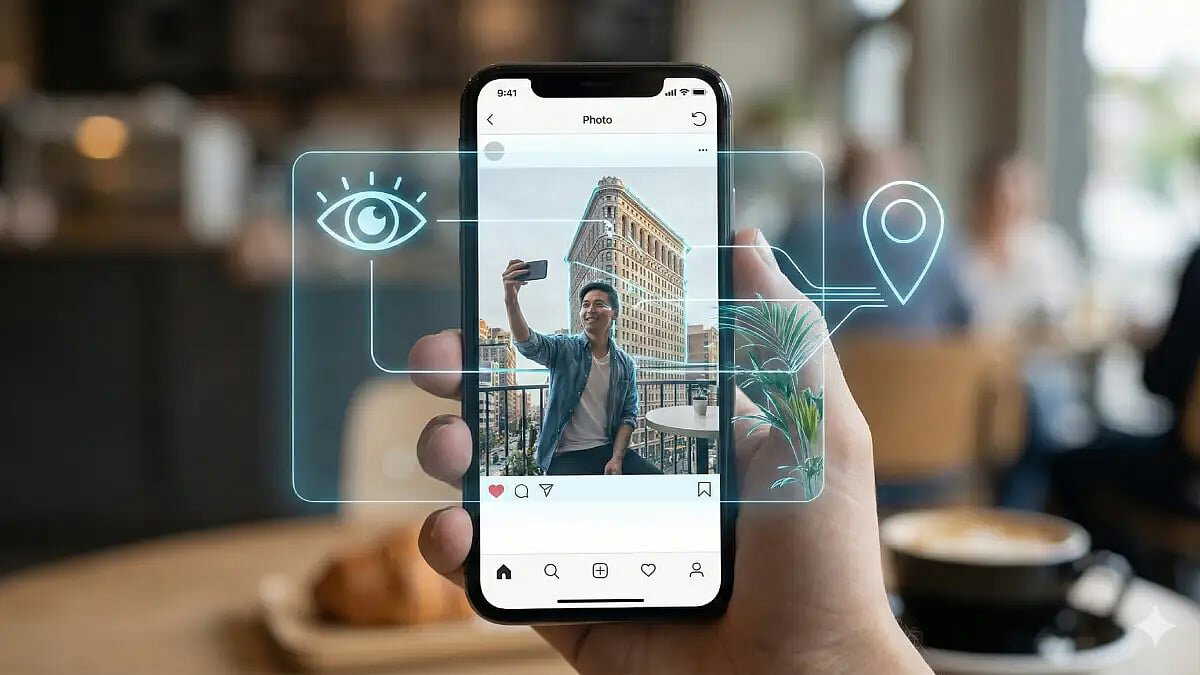
Many people assume that turning off the GPS or location services on their smartphones is enough to keep their whereabouts private. Posting selfies taken at home or at a café seemed safe, but a new artificial intelligence platform called GeoSpy AI is changing that assumption.
How GeoSpy AI works
Unlike traditional methods that rely on metadata or GPS tags in photos, GeoSpy AI analyses the visual content itself. It examines architectural details, street layouts, vegetation, shop signboards, and even city design patterns in a photo. The platform then cross-references these features with a vast global image database. Within moments, it can pinpoint the exact location where the photo was taken, without any GPS information.
Also Read | Income Tax Department issues warning for taxpayers against refund-related fraud
Real-world applications
This is not science fiction. Punam Soni, founder of AI media platform AI Post, warns that even a simple selfie from a balcony could reveal a person’s home address. Reports indicate that police departments in Miami and Los Angeles are already using GeoSpy AI to track criminal activity. When only a single photo is available as evidence, the AI can extract location information and other useful details.
Privacy concerns
The main concern is not police use, but potential misuse by ordinary people or criminals. A photo posted online could allow stalkers or malicious actors to track movements, identify street names, or pinpoint someone’s home. In urban settings, this technology reportedly provides highly precise location information.
Also Read | Downloading THIS 8th Pay Commission file could cost you: What employees need to know
Rethinking digital safety
Photos, once considered harmless memories, are now a potential source of sensitive information. GeoSpy AI demonstrates that turning off location services is no longer sufficient to protect digital privacy. Even the pixels in an image can reveal more than the user intends, forcing a rethink of how personal images are shared online.