Concerns over income tax returns and delayed refunds often create anxiety among taxpayers. Many individuals repeatedly check their phones and email inboxes while waiting for refund credits. Fraudsters exploit this uncertainty by launching targeted phishing and financial fraud campaigns.
Also Read | Downloading THIS 8th Pay Commission file could cost you: What employees need to know
How the tax refund fraud happens
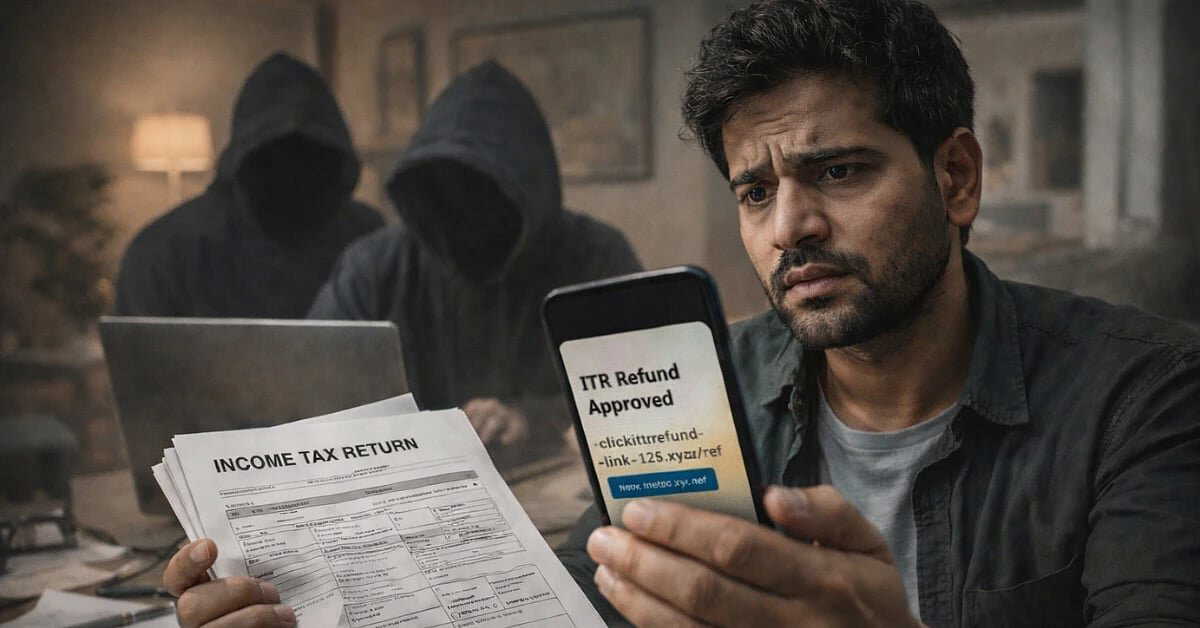
In many cases, taxpayers receive an SMS claiming there is an issue with their income tax refund. The message warns that the refund may be delayed or cancelled unless immediate action is taken. It typically contains a link and creates urgency by stating that failure to respond quickly will result in loss of the refund.
When recipients click on the malicious link, they are redirected to fake websites designed to capture sensitive information such as bank details, login credentials or OTPs. Once these details are shared, fraudsters gain unauthorised access to bank accounts, leading to financial losses. Several such complaints have surfaced recently.
Income tax department issues public warning
The Income Tax Department has issued a public advisory warning taxpayers about refund-related scams. In a post on X, the department clearly stated that taxpayers should never share OTPs with anyone under any circumstances. It also advised citizens not to disclose bank account information, passwords or personal details.
According to the department, scammers are misusing the refund process as a pretext to trap individuals and siphon off money from their bank accounts.
Also Read | Rs 1 crore lost to cyber fraud in East Midnapore, multiple suspicious accounts frozen
Key warning signs to watch
Taxpayers have been advised to remain cautious if they receive any unsolicited message claiming that a refund is pending or at risk of cancellation. Any link included in such messages should not be clicked. Sensitive details such as OTPs, passwords and banking information must never be shared.
In case of genuine refund-related queries or discrepancies, individuals should directly contact official helplines or visit the authorised income tax portal rather than responding to unknown messages. Staying alert and verifying communication through official channels is the most effective way to prevent financial fraud.