NASA’s Artemis II mission is nearing a crucial milestone as its crew prepares to return to Earth on Friday, April 10. The mission, which sent astronauts on a journey around the Moon, will conclude with a high-speed re-entry and splashdown in the Pacific Ocean, marking a major moment in modern human spaceflight.
Splashdown timing and where to watch
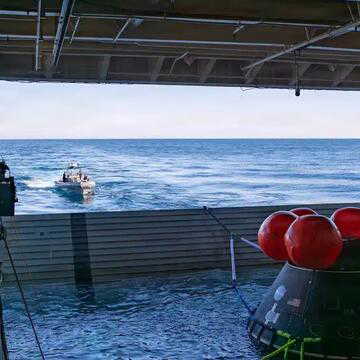
The Orion spacecraft is scheduled to splash down at 8.07 pm ET on April 10, which corresponds to 5.37 am IST on April 11. The landing zone is set off the coast of San Diego, where recovery teams are in position to retrieve the crew and spacecraft.
Viewers in India can follow the event live across several platforms. The broadcast will be available on NASA’s official website, its streaming service Nasa+, and YouTube. The event will also be streamed on Netflix through its collaboration with NASA+. For Indian audiences, the Netflix livestream begins at 4 am IST on April 11.
Also Read | How will NASA bring Artemis II crew safely back from deep space? Here's all you need to know
Crew on board Orion
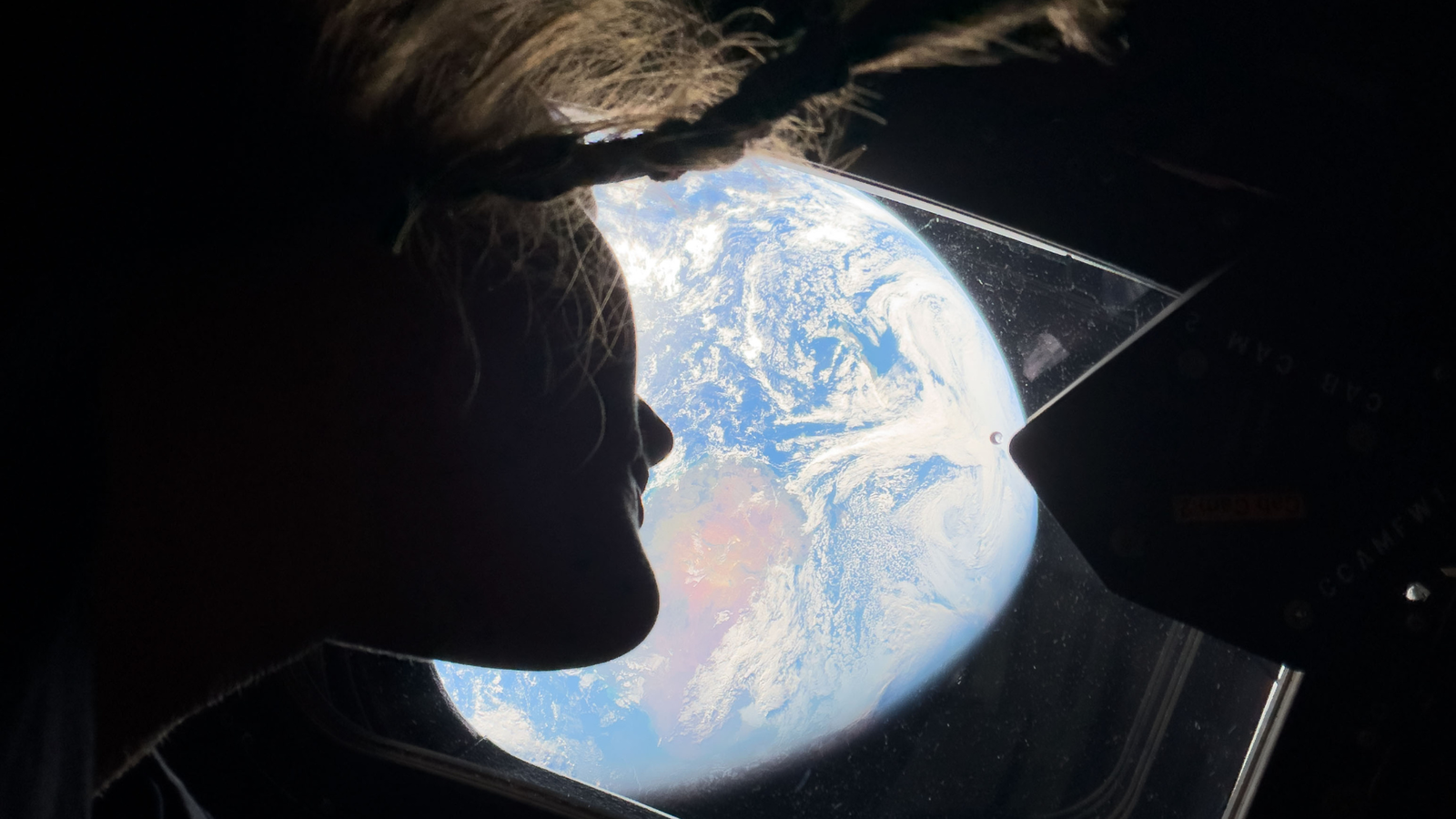
The mission carries four astronauts aboard the Orion spacecraft. These include NASA astronauts Reid Wiseman, Victor Glover and Christina Koch, along with Canadian astronaut Jeremy Hansen. Their journey marks the first crewed lunar mission since the Apollo era, ending a gap of nearly five decades.
A high-speed return through Earth’s atmosphere
As Orion begins its descent, it will separate from its service module at an altitude of about 122 kilometres. The spacecraft will then enter Earth’s atmosphere at speeds reaching nearly 40,000 km per hour.
During re-entry, extreme heat will build up due to air compression in front of the capsule, with temperatures rising to around 2,700 degrees Celsius. A plasma layer will form around the spacecraft, temporarily disrupting communication with mission control.
Once the spacecraft slows down, parachutes will deploy in stages. Two drogue parachutes will stabilise the capsule, followed by two pilot parachutes and three main parachutes to ensure a safe splashdown.
Also Read | NASA reveals Moon’s far side: First-ever full view of Orientale Basin captured by Artemis II crew
Final preparations before re-entry
In the final phase of the mission, the crew is focused on securing equipment and completing essential checks for re-entry. This stage is considered one of the most critical and risky parts of space travel. The spacecraft’s heat shield will play a key role in protecting the astronauts during descent.
Artemis II lifted off on April 2, 2026, from Kennedy Space Centre in Florida. The mission involved a lunar flyby designed to test systems for future deep-space exploration, including planned missions to the Moon and eventually Mars.