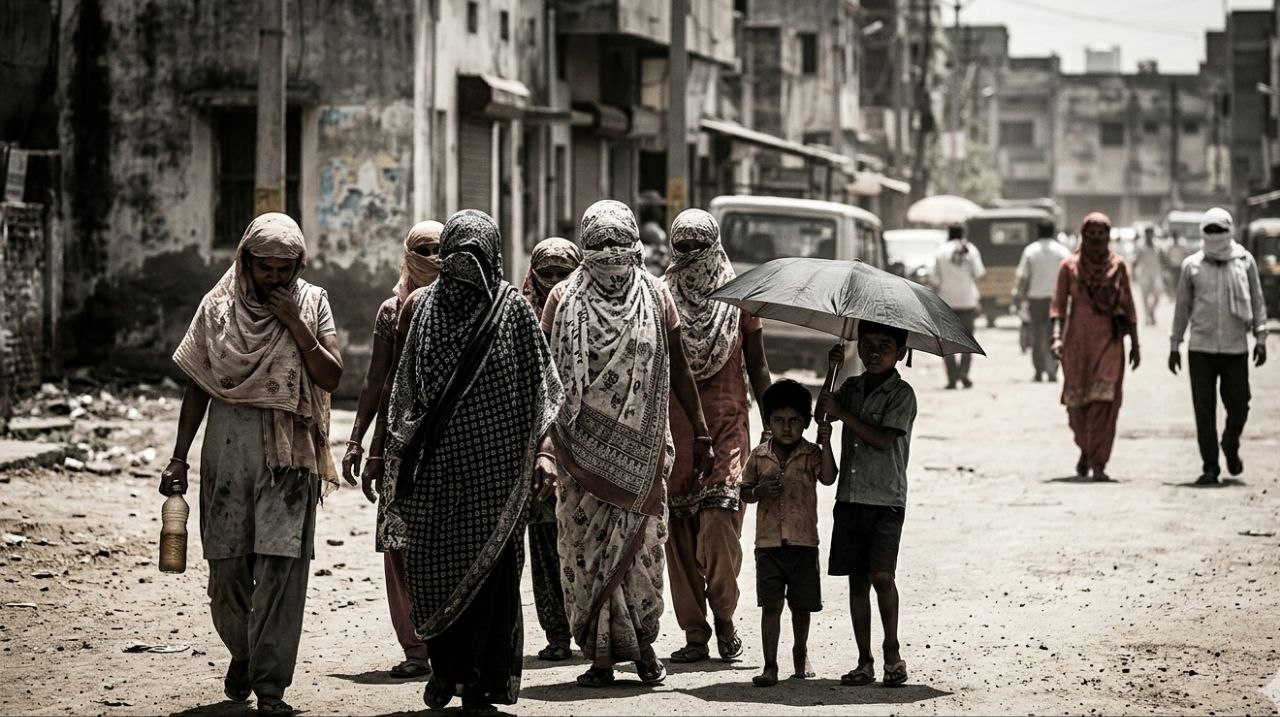
India has become the centre of a strong global heatwave, with 19 out of the world’s 20 hottest cities currently in the country. A data released on April 21 by AQI.in at 12:21 IST, shows how temperatures have sharply increased across many regions at the same time.
According to the India Meteorological Department, heatwave conditions are expected to continue from April 22 to April 24, with temperatures likely to reach 43 degrees or even higher. Many places have already crossed 40 degree Celsius, which officially counts as a heatwave.
This rise in temperature is not happening in just one area but across eastern, northern, and central India, that shows it is part of a larger climate pattern rather than just a local heat event.
Also Read | Jasmine Sandlas goes viral after unexpected on-stage act—watch what happened
Hottest cities that dominate global rankings
Several Indian cities are recording some of the highest temperatures in the world, especially in Bihar, Odisha, West Bengal, and Uttar Pradesh, according to an India Today report.
Cities like Bhagalpur, Talcher, and Asansol have recorded a scorching 44 degree Celsius, making them the hottest places in the world right now. Other cities including Begusarai, Motihari, Munger, Bhojpur and Siwan are close behind at around 43 degree Celsius, intensifying regional heat stress.
Interestingly, Lumbini is the only non-Indian city to feature in the top 20 list, highlighting India’s overwhelming presence in the global heat index.
What is causing this extreme heat
Meteorologists say this extreme heat is mainly because of strong sunlight and clear skies, which let the land heat up continuously. April is already a hot pre-monsoon month, but this year the temperature rise is much more intense and spread across many regions.
Other reasons like less snow in the Himalayas and rising ocean temperatures are also making things worse. These factors are reducing natural cooling, which is why the heatwave is becoming stronger and lasting longer.
Role of winds and dry conditions
Hot, dry north westerly winds are blowing across the plains, stopping clouds from forming and these are reducing chances of rain. Because there is very little moisture in the air, heat stays trapped near the ground, making the weather feel even hotter for a longer time.
The sudden rise in temperatures across northern, central, and eastern India suggests that this is not just a local heatwave but a larger weather pattern affecting many regions at the same time.
The wide spread and timing of this heat indicate deeper climate factors that are impacting large parts of the country together.
Regional weather contrast
While northern and eastern parts of India are facing extreme heat, some areas in the south and north-east are getting thunderstorms and moisture. This shows a clear difference in weather patterns across the country.
Also Read | Robot Navy Is Here: Why The Future Of Naval Warfare Has No Crew
Experts say this kind of imbalance is a sign of changing climate conditions, where different regions experience extreme weather at the same time in different ways.
The ongoing heatwave shows a serious climate concern, with many parts of India facing extreme temperatures at the same time. As this continues, health risks and pressure on the environment are likely to increase.
Authorities are advising people to stay safe and take precautions, as everyone waits for pre-monsoon rains to bring some relief in the coming weeks.