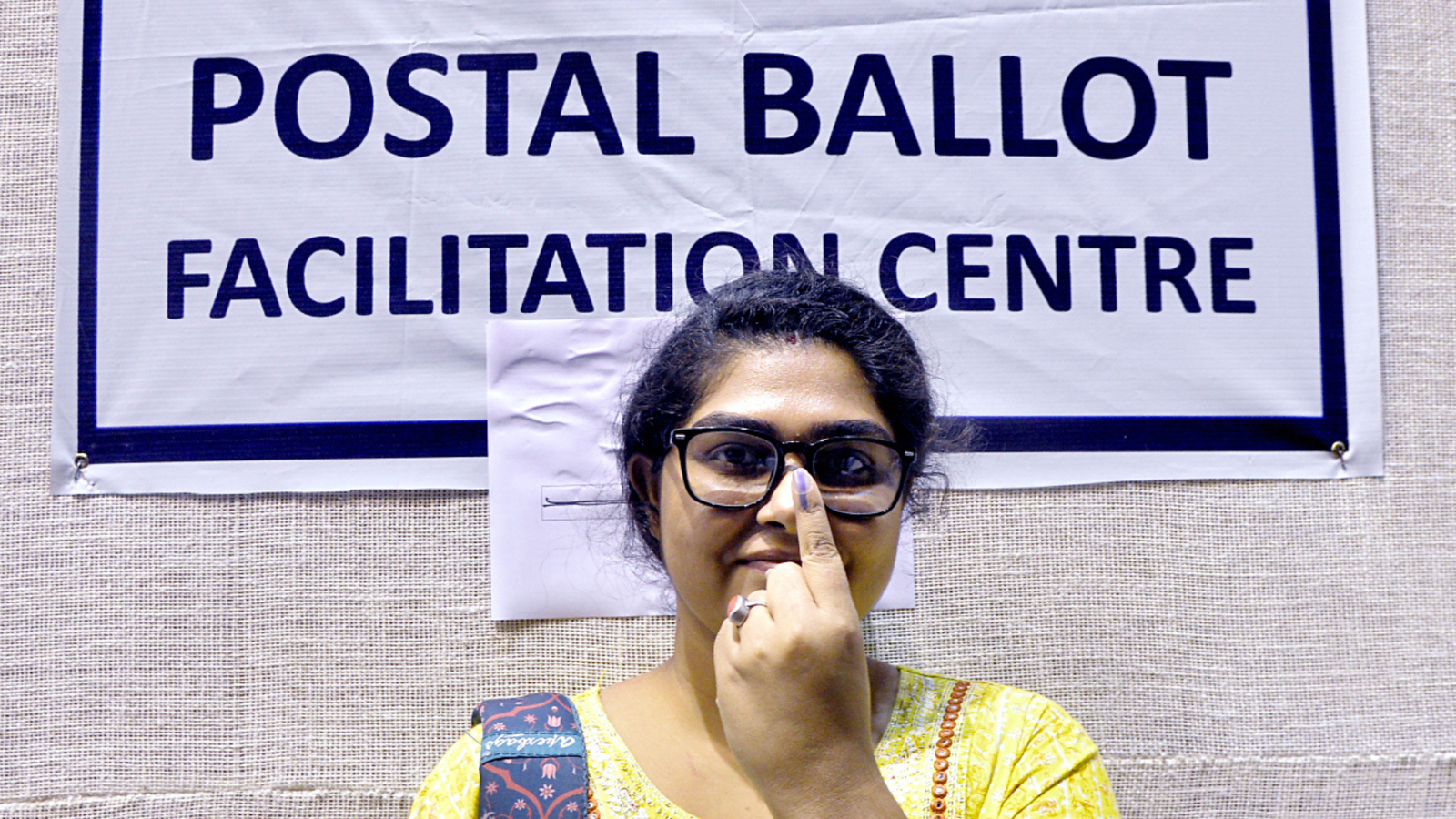
As West Bengal prepares for the 2026 Assembly elections, doubts have emerged over whether media personnel engaged in election coverage can opt for postal ballot voting.
What election rules allow
According to the Election Commission of India (ECI), the postal ballot facility is limited to specific categories of voters. These include service voters (such as members of the armed forces), voters on election duty, persons with disabilities, and senior citizens above a notified age who opt for absentee voting.
As per the notice issed by the ECI on March 19, "Media persons authorised by the Election Commission for poll day coverage have also been included in the category of absentee voters on essential services and are entitled to postal ballot facility."
Also Read | WB elections 2026: What to carry, what to avoid on polling day — all you need to know
When media persons may qualify
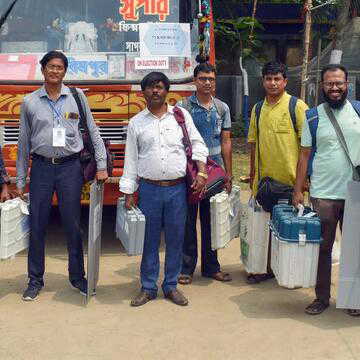
The key distinction lies in whether a journalist is officially designated for election duty. Only those individuals who are formally appointed by the election authorities, such as polling officials, security personnel, or others directly involved in conducting the election, are eligible for postal ballots under the "election duty" category.
In general practice, reporters, camerapersons, and other media staff covering the elections on behalf of their organisations are not classified as election duty personnel. Therefore, they do not qualify for postal ballot voting on that basis.
For most media professionals in West Bengal, voting will take place at their assigned polling stations on election day. News organisations often coordinate schedules to ensure that staff members can step away from assignments to cast their vote.
"A voter on election duty shall receive his postal ballot, record his vote thereon and return the same at the facilitation center. ECI has issued directions in this regard to ensure that voting takes place with complete secrecy for the voter at the facilitation centre," the ECI statement read.
Who else is eligible to vote through postal ballots?
The Commission, as per Section 60(c) of the Representation of the People Act, 1951, has notified that electors above the age of 85 years and Persons with Disabilities (PwDs) flagged in Electoral Rolls may cast their vote through postal ballot.
Additionally, electors on essential services on the date of poll can apply for the postal ballot facility through the designated Nodal officer of their respective department, the ECI informed. Essential services such as fire services, health, electricity, traffic, ambulance services, aviation, long-distance government road transport corporations etc. are covered under this facility.
Apart from this, the ECI stated that service voters will be sent their postal ballots electronically by the Returning Officer (RO) through the Electronically Transmitted Postal Ballot System (ETPBS), immediately on finalisation of list of contesting candidates.
"Service voters are not required to bear the cost of postal services," it said.
What is postal ballot?
Postal voting, or absentee voting, is a way for people to vote by mail instead of going to a polling station. This method is especially helpful for those who cannot vote in-person for different reasons. These reasons include being away from their home area, having a disability, or working in essential services on election day.
Also Read | ECI releases updated Bengal voter lists—are you included or deleted?
Process of postal voting
Once an application has been processed and approved, a postal ballot will be sent by an RO to the registered address of the voter. Normally contained in a ballot package will be a ballot paper, a declaration form, a secrecy sleeve and an envelope with prepaid postage to use to return the completed ballot paper and declaration form.
Once the voter receives the ballot package, they indicate their preferences for candidates on the ballot (inside the secrecy sleeve) so that nobody can see how they voted.
The voter now signs the declaration form (by placing their signature and date of signing) and completes any other required information.
After this, the voter places the completed ballot paper and declaration form into the secrecy sleeve, seals the sleeve and places it into the prepaid return envelope. The voter affixes a stamp and sends the return envelope (with the ballot and form inside) to the designated address by the due date (as indicated on the ballot package).