NASA has started a new space health experiment called AVATAR. It helps scientists understand how the human body reacts in deep space.
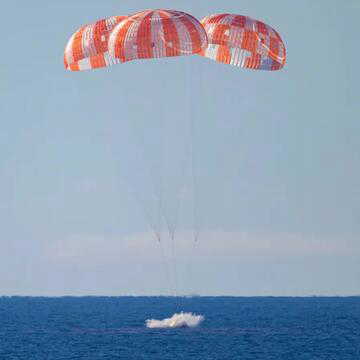
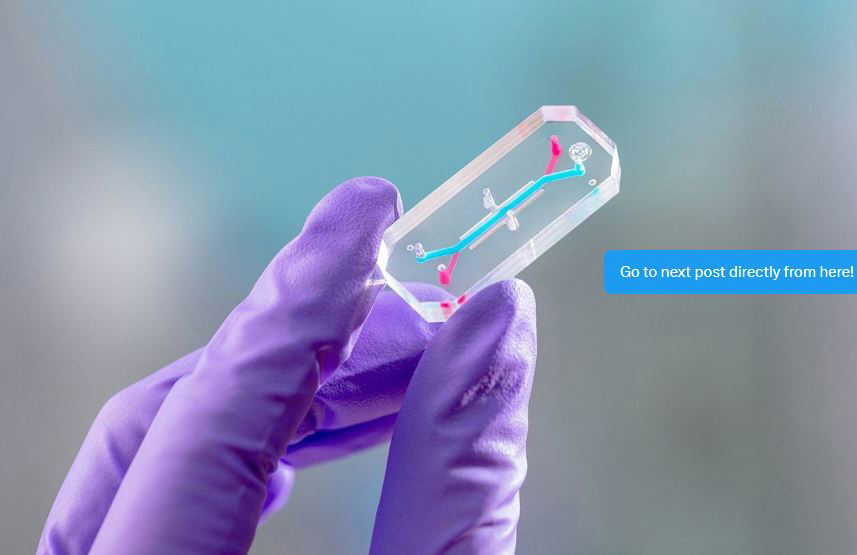
As part of the Artemis II mission, tiny organ chips made from astronauts’ cells were sent on the Orion spacecraft. These chips act like real human organs in space.
This experiment is an important step to help prepare for longer space missions beyond Earth.
Also read: From Moon orbit to Pacific splashdown: Artemis II crew completes landmark journey
What is the AVATAR experiment?
The AVATAR study uses four small USB-sized devices with bone marrow tissue made from cells given by Artemis II astronauts like Reid Wiseman, Victor Glover, Christina Koch, and Jeremy Hansen.
These “avatars” copy how human organs react in space and help scientists better understand body changes during space travel than normal tests after missions.
As per Newsbytes reports, Lisa Carnell, NASA’s space science director, said this is a new and unique method in space research.
Studying how the body’s defense system reacts in space
The experiment mainly studies bone marrow to see how astronauts’ immune system reacts in space and to strong radiation.
Scientists hope this information will help create special treatments for astronauts on long trips far from Earth.
Also Read: ‘Dear NASA, bring back Pluto as a planet’: 10-year-old’s heartfelt letter gets official reply
Getting ready for future space missions
NASA thinks AVATAR can help get astronauts ready for future space travel. By studying how organs react early, problems can be found before missions start.
As per Newsbytes, Carnell says in the future, astronaut “avatars” may be sent to space before real missions. This will help find health problems early so crews can prepare accordingly to face them. She also said, “We like to say, ‘Know before we go.’ It’s that simple.”
The AVATAR experiment is a big new step in space research. It mixes biology and technology to help keep astronauts safe and study human health in space.
In the future, this kind of research can help make space missions safer and more successful by finding health problems early.