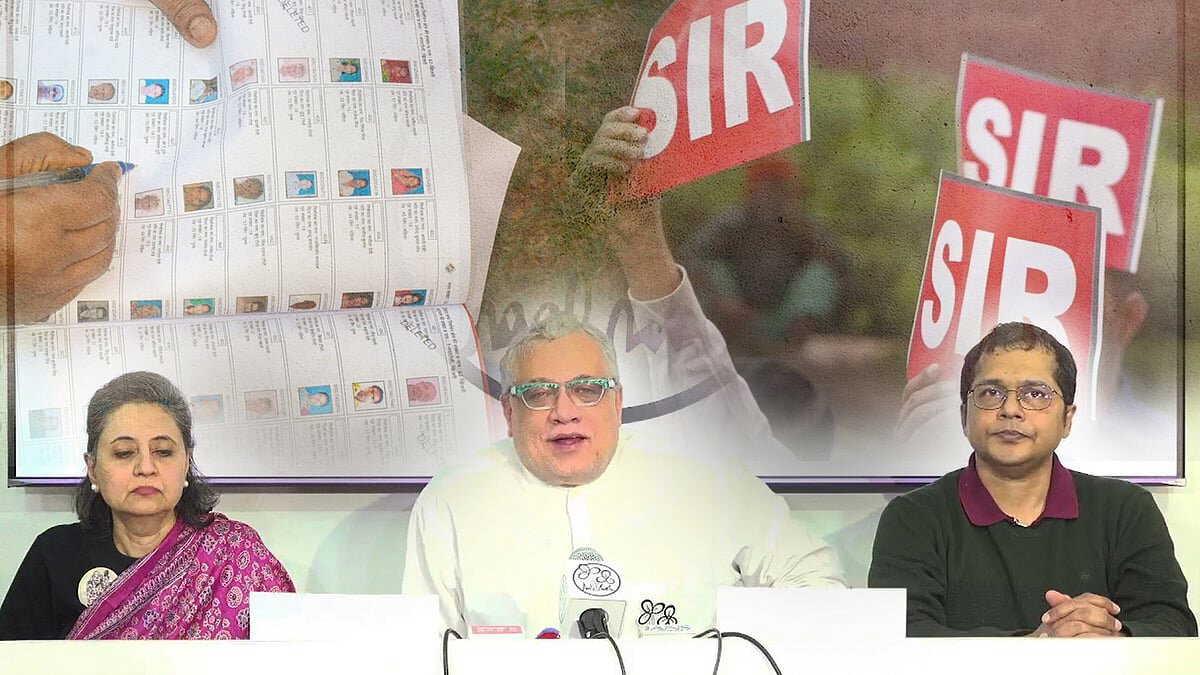
Ahead of the 2026 Bengal Assembly Elections, Trinamool Congress raised fresh questions, raising concern over the lack of transparency in the ongoing Special Intensive Revision (SIR) process. On Tuesday, the ruling party of West Bengal stepped up its offensive against the Election Commission, accusing the body of lacking transparency and claiming that the process was vulnerable to what it termed "software-driven rigging."
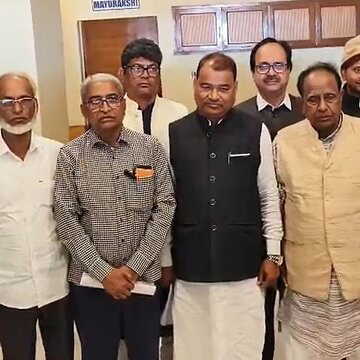
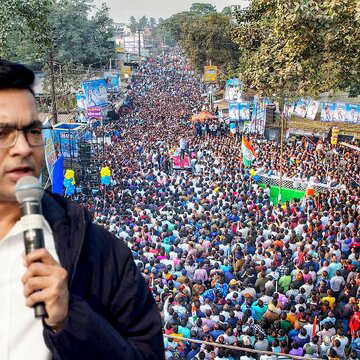
At a press conference in Delhi, Trinamool Congress Rajya Sabha leader Derek O’Brien alleged that large-scale manipulation was being carried out through the software used for SIR. Along with party MP Sagarika Ghose, he raised multiple questions addressed to Election Commissioner Gyanesh Kumar and demanded clear answers from the commission.
Also Read | Chaos on Form-7 deadline day as BJP and TMC workers clash across Bengal
Referring to the Supreme Court’s observations, Trinamool leaders said the country’s highest court had effectively endorsed their long-standing demand for transparency. They reiterated their call for the publication of transcripts of meetings held between Trinamool representatives and the Election Commission.
The Supreme Court had recognised the need to publish a list of "logical discrepancies," a demand Trinamool had argued would bring transparency to the process. With that issue now moving towards resolution following the court's directive, Trinamool MPs shifted focus to what they described as confusion and opacity surrounding the commission's software systems.
Addressing the media, Derek O'Brien and Sagarika Ghose accused the Election Commission of withholding crucial information. They alleged that voters' names were being removed through SIR software and questioned which software was being used and who had developed it.
At the press conference, O'Brien sought clarity on the matter, asking which software the Election Commission was using and who had developed it. He said the commission should keep all stakeholders informed, adding that the Model Code of Conduct should be applied uniformly and not selectively against the opposition. He remarked that a comparison between what transpired during the meeting and what was discussed in court on Monday would help people understand the situation more clearly.
He further stated that the Supreme Court had clearly directed that the list of logical discrepancies be made public. O'Brien said that the Trinamool Congress had been seeking transparency from the very beginning, noting that despite several letters by Chief Minister Mamata Banerjee, none had received a response.
He added that the party had raised the issue at least 75 times. Stressing that Trinamool was not opposed to SIR, he said the party wanted the exercise to be conducted in a humane and transparent manner. He noted that the party leadership, including the Chief Minister of West Bengal and the All India General Secretary, had consistently made the same demand, and questioned why SIR was being implemented in a way that placed an additional burden on ordinary people.
Escalating his criticism, O'Brien alleged that Election Commissioner Gyanesh Kumar was acting under the influence of Union Home Minister Amit Shah. He said the Election Commission appeared to be showing excessive compliance, recalling that between 2022 and 2024, Gyanesh Kumar had served as Amit Shah's cooperation secretary. He also referred to Kumar's role as Additional Secretary in the Union Home Ministry during the abrogation of Article 370, suggesting that these past associations could not simply be overlooked.
Trinamool Congress Rajya Sabha Deputy Leader Sagarika Ghose echoed similar allegations, accusing the Centre and the Election Commission of singling out West Bengal. She said that although SIR had begun in Bihar, Bengal appeared to be the real focus, with various methods allegedly being used to exclude voters from the state. She observed that earlier the Election Commission had worked to ensure that everyone could vote, but now seemed more inclined towards exclusion, arguing that voting rights were being taken away rather than protected.
She also questioned why legitimate citizens were allegedly being harassed, citing instances such as Nobel laureate Amartya Sen and national cricketer Mohammed Shami being summoned.
Derek O'Brien further raised the issue of the granddaughter of an Ashoka Chakra awardee being called for a hearing. Reiterating the demand for transparency, he questioned the delay in making public the records of meetings between Trinamool representatives and the Election Commission. He pointed out that more than 50 days had passed since the party first approached the Commission last November, and urged that transcripts of all meetings be released without further delay, suggesting that they could even be shared through widely used digital platforms.