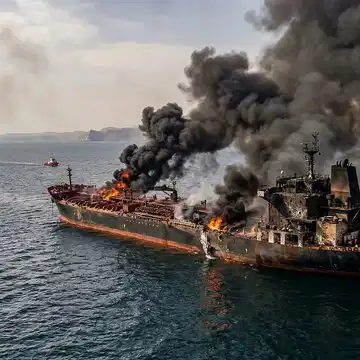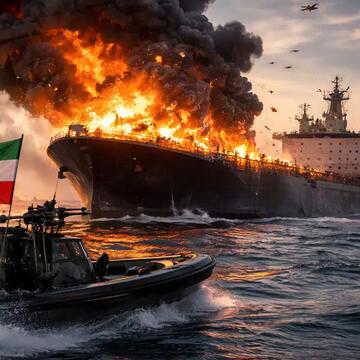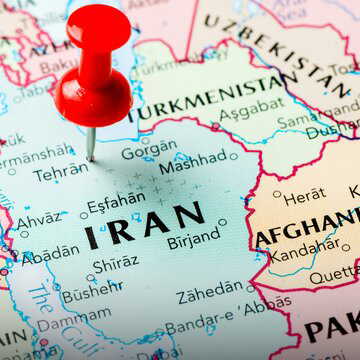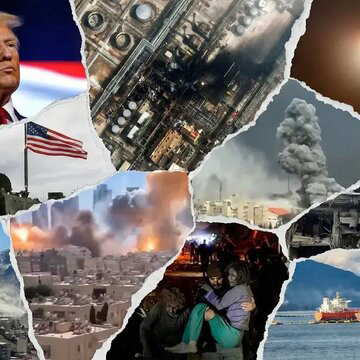
Iran's Islamic Revolutionary Guard Corps (IRGC) has warned that ships linked to the United States, Israel, Europe, and their allies will not be allowed to pass through the Strait of Hormuz while the war in West Asia continues.
The warning was announced on Thursday through Iran's government-controlled broadcaster IRIB, according to a report by NDTV. The statement said vessels and oil tankers belonging to America, Israel, Europe, and countries aligned with them would be blocked from transiting through the strait.
The Strait of Hormuz is one of the world’s most important oil transport routes. The latest warning has raised fresh concerns about global energy supply and maritime security in the region.
Since the start of the conflict in West Asia, cargo ship movement through the route has already dropped sharply, according to reports.
Warning over wartime control
The IRGC said Iran has the authority to regulate or block maritime transit through the Strait of Hormuz during wartime. It claimed that this power comes under international law and relevant resolutions governing military conflict.
The Iranian force also issued a strong warning to foreign vessels.
Also Read | Iranian warship seeks Sri Lankan port after IRIS Dena sinking, Colombo yet to decide
According to the announcement, any ships belonging to the United States, Israel, Europe, or their allies found moving through the strait could face military action.
The statement signals a possible escalation in maritime tensions in the Gulf region if the conflict continues.
China-linked shipping may be allowed
Reports also suggest Iran may allow limited shipping from certain countries.
According to NDTV sources, Iran had indicated on Tuesday that only ships flying the Chinese flag would be allowed to pass through the Strait of Hormuz. Iranian authorities had also praised Beijing's stance and diplomatic moves related to the ongoing war.
Also Read | China halts fuel exports to secure domestic supply as Persian Gulf crisis deepens
On Thursday, the IRGC's announcement appeared to clarify and strengthen Iran's position regarding access to the key waterway.
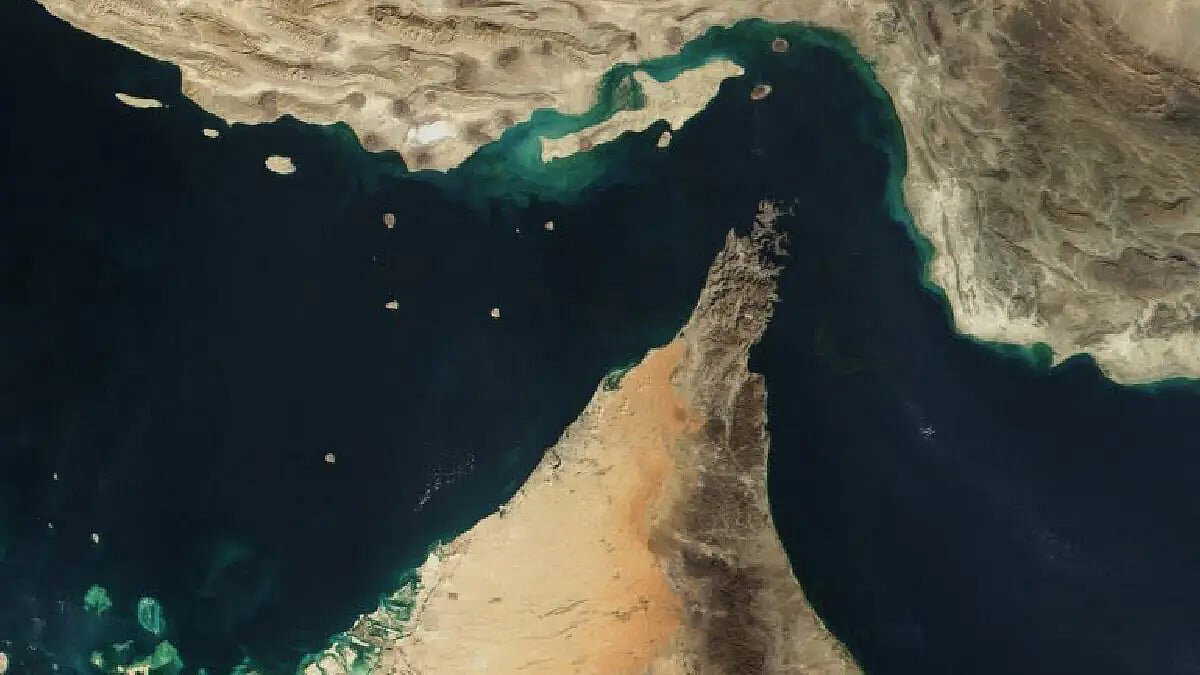
The Strait of Hormuz connects the Persian Gulf with the Gulf of Oman and the Arabian Sea. A significant share of the world's oil exports passes through this narrow route.
Any restriction on shipping through the strait could have major consequences for global trade and energy markets.