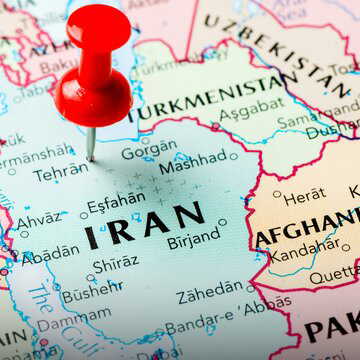
The conflict between Iran, the United States, and Israel entered its fourth day on Tuesday, expanding beyond direct exchanges and spreading across multiple fronts in West Asia. Lebanon, Saudi Arabia, and the wider Persian Gulf region are now increasingly affected.
Fresh strikes were reported in Tehran on Tuesday, including another attack near Mehrabad Airport. The escalation follows a major wave of air operations late Monday.
Heavy strikes in Iran, operations in Lebanon
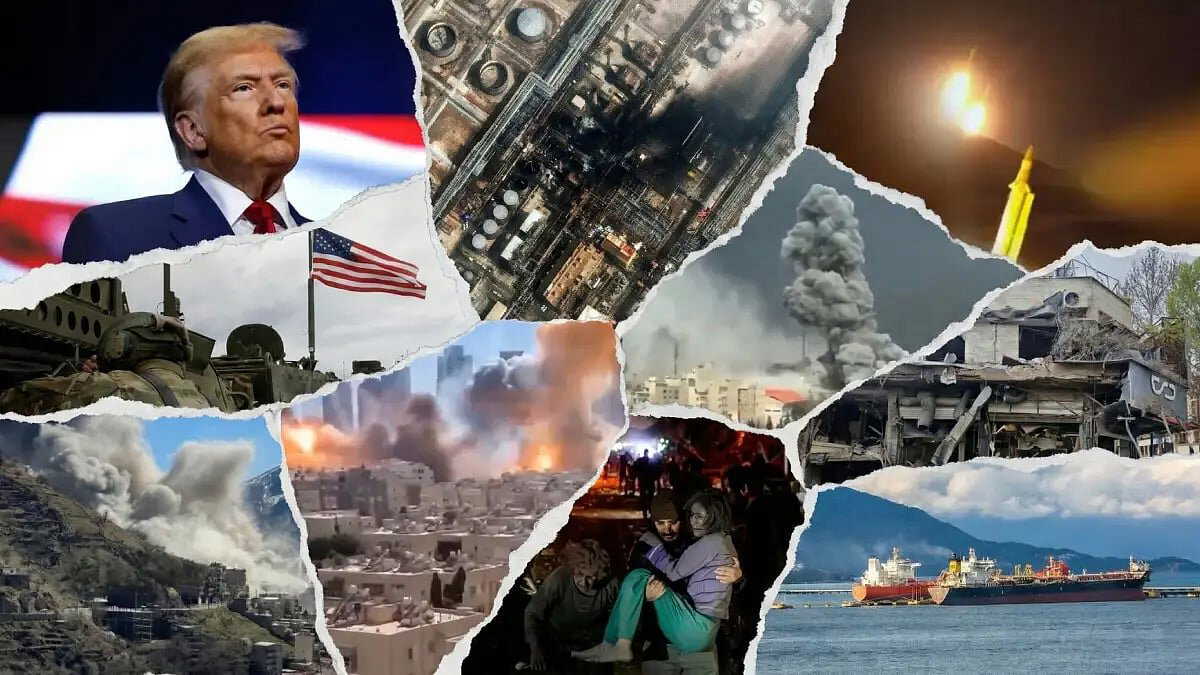
On Monday night, US B-1 bombers and the Israeli Air Force carried out more than 1,000 sorties over Iranian airspace, according to reports. Targets included the Presidential Office complex, the Supreme National Security Council, central command centres of the Islamic Revolutionary Guard Corps (IRGC), missile stockpiles, and the state television building.
The strikes form part of a coordinated US-Israeli campaign aimed at weakening Iran's military command and missile capabilities.
Also Read | Passenger plane destroyed on ground by US-Israeli strike at Iran's Bushehr Airport, says report
The conflict has also intensified in Lebanon. Israeli forces launched fresh air attacks on Hezbollah arms depots and command centres in Beirut. Ground operations have begun in southern Lebanon, with Israel claiming it has captured several positions to dismantle rocket launchers.
Regional fallout and retaliation
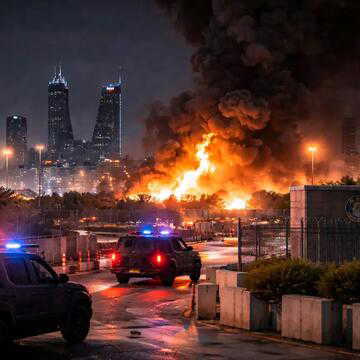
Iran and its allied groups have responded with drone and missile attacks. Two drone strikes targeted the US embassy in Riyadh, causing minor damage, according to American officials. There have also been reports of attacks on US military bases in Kuwait, Bahrain, and Qatar.
Missile and drone strikes hit parts of Israel, including Haifa, injuring at least seven people.
Also Read | 'Too late': Donald Trump rejects Iran's call for talks as regional strikes escalate
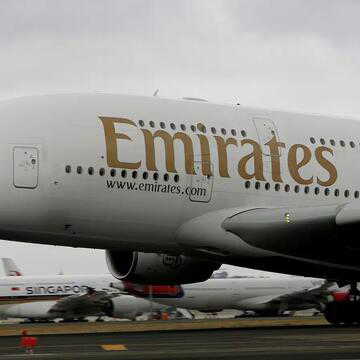
Iran has threatened to disrupt shipping through the Strait of Hormuz, a key global oil route. The warning has raised concerns in international energy markets. Oil prices have risen, global stock markets have declined, and some flight and shipping services have faced disruption.
US President Donald Trump said the war could last four to five weeks or longer. He indicated that Iran was seeking talks but said the opportunity for negotiations had passed.
Israel has stated it will continue operations until Iran's Islamic Revolutionary leadership and missile infrastructure are neutralised.
There are no signs of a ceasefire. Both sides have warned of further strikes as the conflict widens.