As geopolitical tensions escalate across the Middle East, particularly amid clashes involving Iran and US–Israel interests, authorities in the United Arab Emirates have issued a strong warning against the spread of online rumours. Officials say that sharing or reposting unverified information, even if not created by the user, can result in prosecution under federal law.
The move underscores the UAE’s broader effort to curb misinformation that could threaten public order, safety and social stability during a sensitive regional climate.
Public prosecution issues a warning
In a statement circulated through official channels, the UAE Public Prosecution reminded residents that disseminating content from unknown or unauthorised sources constitutes a punishable offence.
Authorities urged the public to rely solely on verified information from government platforms and accredited media outlets, warning that unfounded claims can “spread confusion and harm to the security and stability of society.”
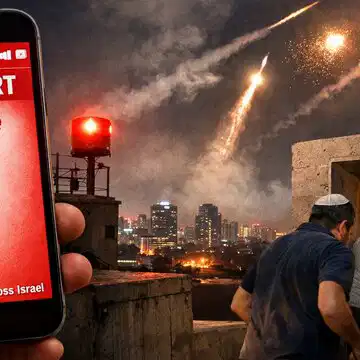
The advisory comes amid a spike in speculative posts and unverified claims online, ranging from alleged military developments to conspiracy narratives linked to Iran, the United States and Israel.
#Public_Prosecution warns against publishing or circulating rumors.#UAE_BARQ_EN pic.twitter.com/stMlzIVHE1
” UAE BARQ (@UAE_BARQ_EN) February 28, 2026
Federal law and penalties explained
Under Federal Decree Law No. 34 of 2021 on Combating Rumours and Cybercrimes, individuals who republish or circulate false information may face imprisonment and significant fines.
Past rulings have included prison terms of at least one year and fines starting from Dh100,000. In more serious cases, particularly during national emergencies or when public opinion is incited against authorities, penalties have reached Dh200,000 or higher.
Enforcement has not been limited to the original creators of false posts. In one previously reported case, seven individuals in Ras Al Khaimah were referred to prosecution for spreading inaccurate social media content that allegedly undermined community security and stirred public opinion.
Misinformation amid regional anxiety
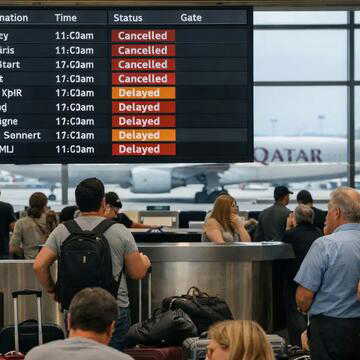
Recent military and diplomatic developments have heightened anxiety across the Gulf. With the UAE home to a large expatriate population and serving as a regional tourism and business hub, authorities have stressed the importance of maintaining calm and preventing panic-driven misinformation.
Security analysts note that in times of geopolitical strain, false narratives can quickly escalate public fear and affect economic confidence, travel plans and social stability. The UAE’s messaging aims to prevent such outcomes by reinforcing legal accountability and encouraging residents to verify information before sharing it online.
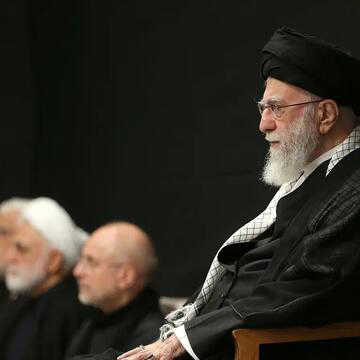
Also Read | After Israel, now US official says Supreme Leader Khamenei killed in missile strikes, Iran rubbishes report
Warning  ¯Â
” ˜Â§ ˜Â§˜Â¨˜Â© ˜Â§˜˜Â§˜Â© (@UAE_PP) February 28, 2026
-
The Public Prosecution warns against publishing or circulating rumors and information from unknown sources through social media platforms or any other technological means, due to the consequences thereof, including the spread of confusion and harm to the security pic.twitter.com/eQLozbqOmo
Balancing digital freedom and national security
The crackdown reflects a wider global trend of governments tightening oversight of online misinformation during crises. While some critics argue such measures may restrict expression, UAE authorities maintain that the legal framework is designed to preserve social harmony, public order and national stability.
Officials have reiterated that digital conduct carries real-world legal consequences, and users must exercise caution, particularly during periods of international tension.
Also Read | Security alert in Bahrain: US Embassy says high-rise buildings not safe after drone strikes
For residents, expatriates and visitors in the UAE, the warning serves as a clear reminder: reposting viral but unverified claims could result in severe penalties, including fines of up to Dh200,000 and possible imprisonment. As tensions continue across the region, authorities are urging the public to prioritise responsible digital behaviour and rely only on official, accredited sources for information.