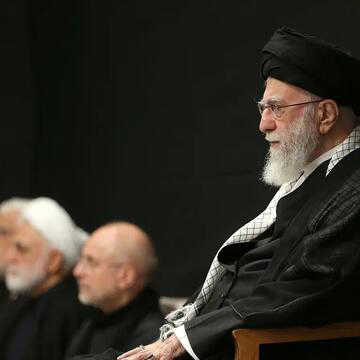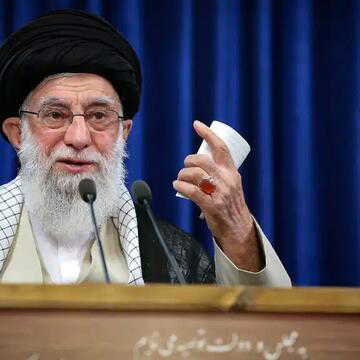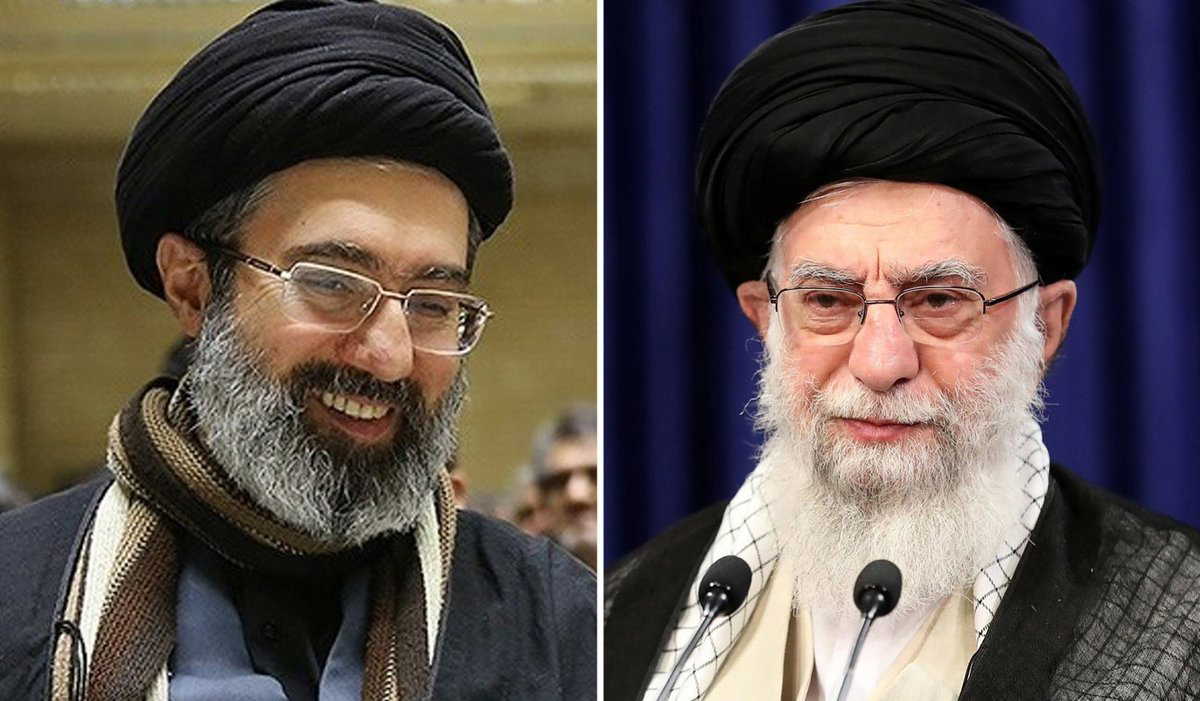
Speculation over the future of Iran’s leadership intensified after Israeli Prime Minister Benjamin Netanyahu claimed there was evidence suggesting Supreme Leader Ali Khamenei was no longer alive following reported strikes in Tehran. A senior Israeli official also told Reuters that Khamenei’s body had been found, though no independent confirmation has emerged.
With the 86-year-old leader having ruled the Islamic Republic since 1989, any transition would mark a historic shift.
Constitutional barriers
Under Iran’s constitution, the next Supreme Leader is appointed by the Assembly of Experts, an elected clerical body responsible for oversight and succession.
According to HT, the analysts at the Middle East Institute, candidates must demonstrate strong political credentials. Despite reportedly playing an influential role within the Office of the Supreme Leader and maintaining close ties to the Islamic Revolutionary Guard Corps, Mojtaba has never held a formal political office, a potential constitutional weakness.
Religious and historical precedent
Shi’a Islamic tradition does not recognise hereditary succession outside the line of the 12 divinely ordained Imams. When Ruhollah Khomeini died in 1989, his son Ahmad was not chosen as successor, partly due to concerns over dynastic rule. Khamenei himself has publicly rejected hereditary governance. In a 2023 speech cited by the Stimson Centre, he reportedly stated that “dictatorship and hereditary government are not Islamic.”
Reports also suggest that when members of the Assembly of Experts attempted to explore Mojtaba’s potential candidacy, Khamenei discouraged such discussions, warning against perceptions of dynastic succession.
Also Read | Meet Ali Khamenei’s family: Wife Mansoureh, six children and the private life of Iran’s leader
Risk of internal turmoil
Analysts argue that appointing Mojtaba could trigger factional disputes within Iran’s political and clerical establishment. The Middle East Institute has suggested that such a move might contradict Khamenei’s apparent aim of ensuring a smooth and controlled transition. Last year, reports in The New York Times indicated that Khamenei had identified three potential successors, all senior clerics, and Mojtaba was not among them.
Some observers believe that Khamenei may prefer a hardline cleric with established religious credentials rather than a close family member, especially if he aims to reinforce ideological continuity within the Islamic Republic.
Also Read | Viral but fake reposts could cost your entire salary - here's how much money you can be fined
While Mojtaba Khamenei has long been viewed as influential behind the scenes, constitutional requirements, religious precedent and political sensitivities make his path to the Supreme Leadership uncertain. Should a succession process be triggered, the decision will rest with the Assembly of Experts, and the outcome is likely to reflect broader calculations about stability, legitimacy and the future direction of the Islamic Republic.