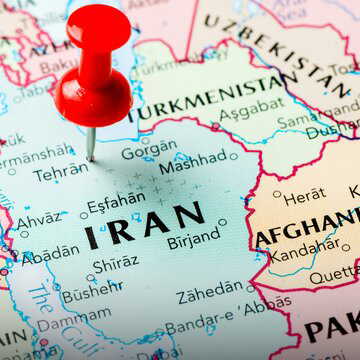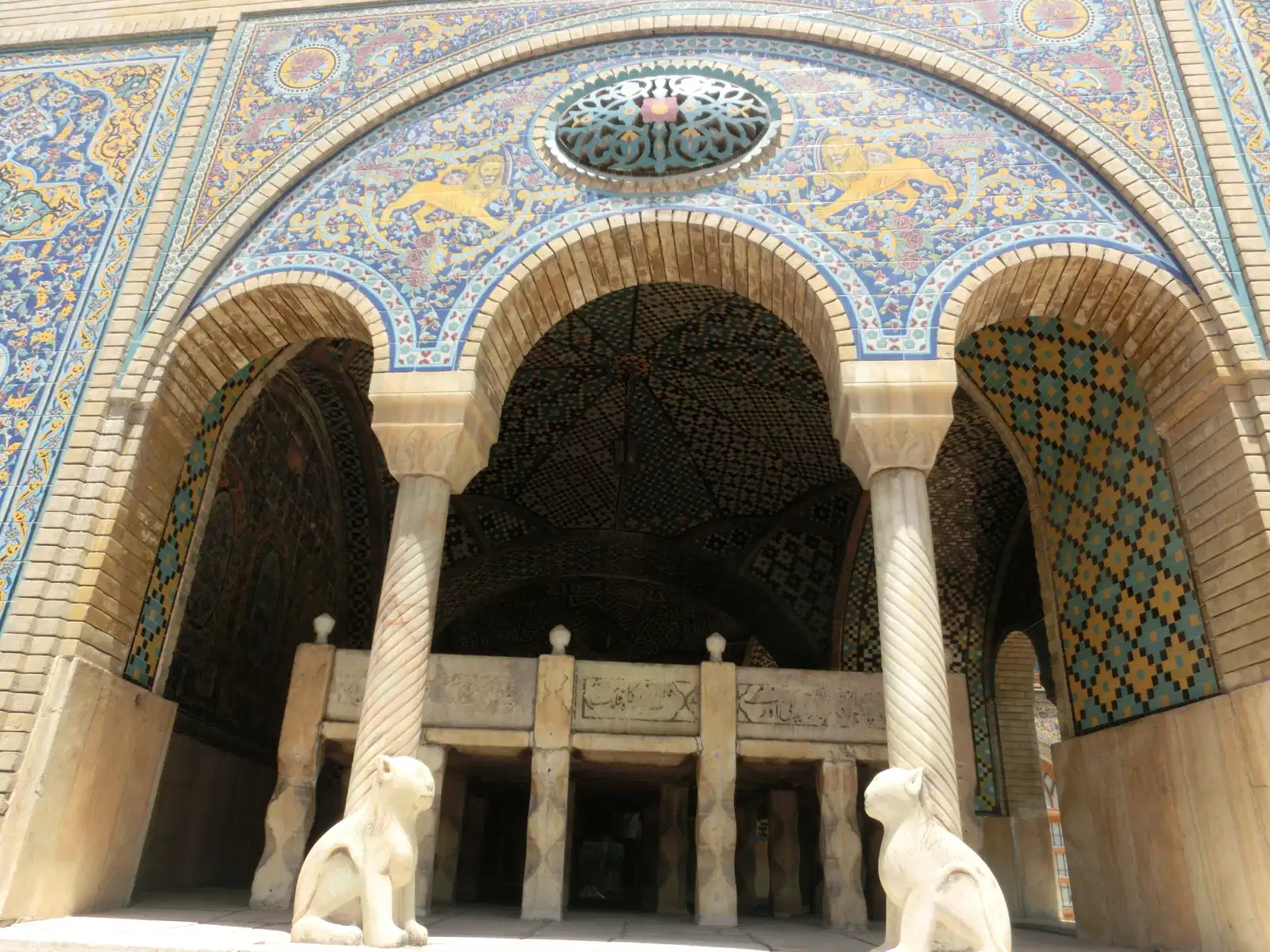
Amid intensifying hostilities in the region, one of Iran’s most treasured cultural landmarks has reportedly been caught in the crossfire. The historic Golestan Palace, a UNESCO World Heritage Site in the heart of Tehran, sustained damage following recent airstrikes near its buffer zone. The development has sparked concern not just within Iran but across the global heritage community, where the preservation of cultural sites during armed conflict remains a pressing issue.
According to a statement by UNESCO, debris and shock waves from an airstrike near Arag Square affected parts of the palace complex on March 2. While the full extent of the damage is yet to be detailed, the incident underscores the vulnerability of even protected cultural landmarks during times of war.
A legacy of the Qajar dynasty
Golestan Palace is one of Tehran’s oldest and most iconic historic complexes. Its origins date back centuries, but it reached its architectural and political zenith during the Qajar dynasty (1789–1925). Under Qajar rule, the palace served as the official royal residence and the stage for coronations, state ceremonies and diplomatic receptions.
The complex is celebrated for its intricate mirror work, colourful tile mosaics, landscaped gardens and ornate halls. Among its most famous features is the Marble Throne, used in royal coronation ceremonies and symbolising monarchical authority. The architecture reflects a distinctive fusion of traditional Persian craftsmanship blended with European artistic influences introduced in the 19th century, marking a period of cultural transition in Iran.
In 2013, UNESCO inscribed the palace on its World Heritage list, recognising its exceptional artistic detailing and its representation of Iran’s evolving architectural identity.
Also Read | Shockwaves in Tehran: Israel hits Iran’s presidential office in daring overnight strike
A witness to political change
Beyond its aesthetic grandeur, Golestan Palace has stood at the centre of pivotal political transformations. From royal coronations to constitutional movements, it has borne silent witness to the shifting tides of Iranian history. Even after the fall of the Qajar dynasty, the complex retained ceremonial significance under subsequent rulers.
Also Read | Surveillance, security, strike: How Khamenei was tracked and eliminated - here's all we know
Damage to such a site resonates far beyond national borders. Cultural landmarks like Golestan Palace are considered part of humanity’s shared heritage. Their preservation during armed conflict is protected under international conventions, yet history repeatedly shows how fragile these treasures can be when violence erupts nearby. The reported damage to Golestan Palace serves as a stark reminder that wars not only claim lives; they also scar memory and identity.