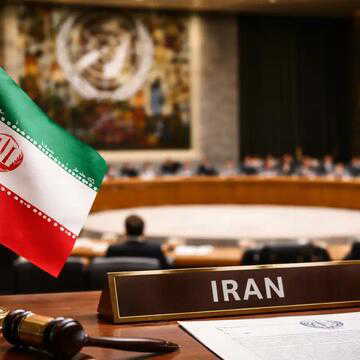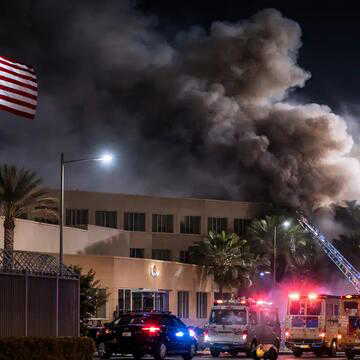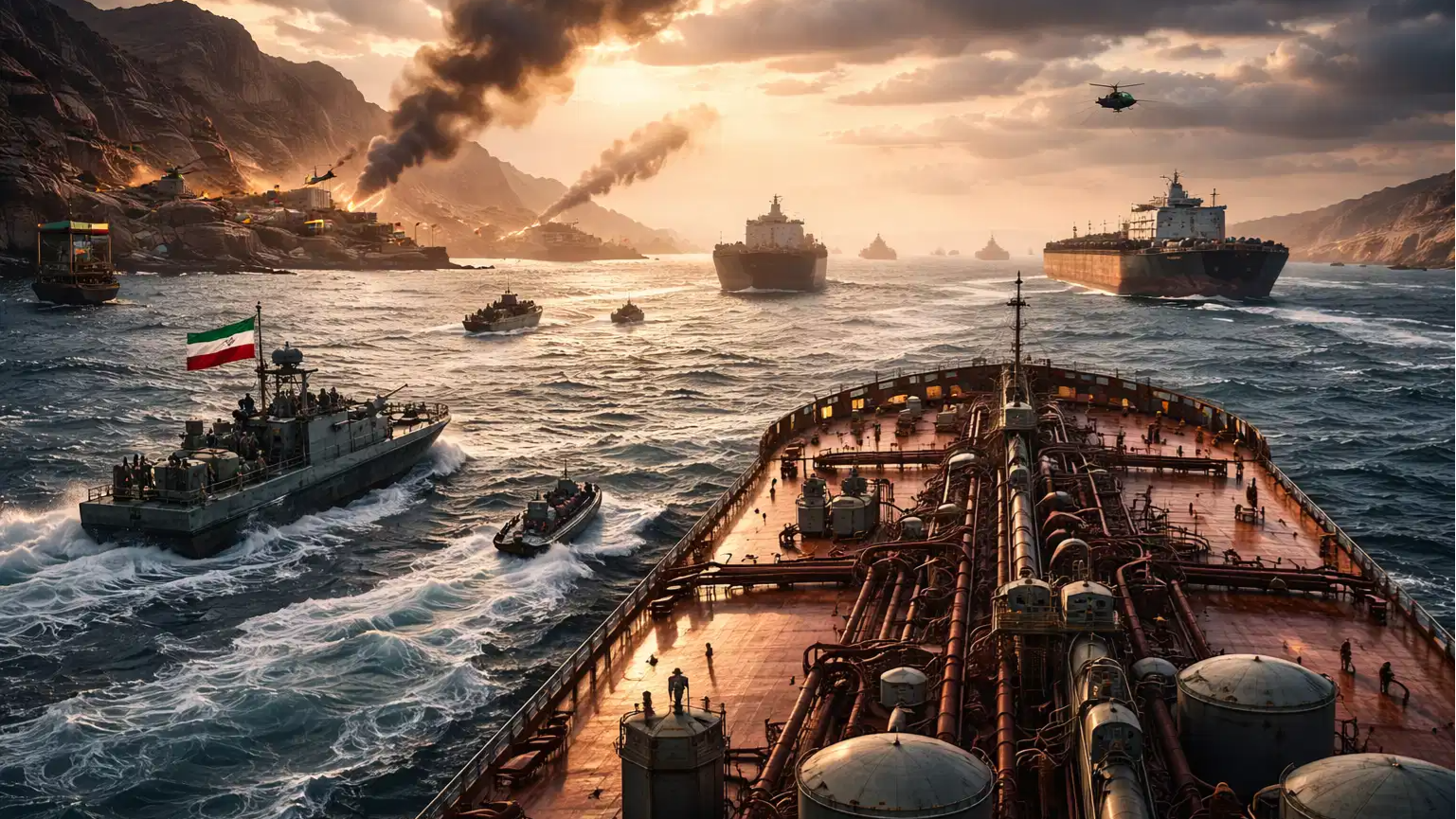
Tensions from the United States and Israel's war with Iran have spilled into the Strait of Hormuz, disrupting one of the world's most vital energy routes and pushing oil prices sharply higher.
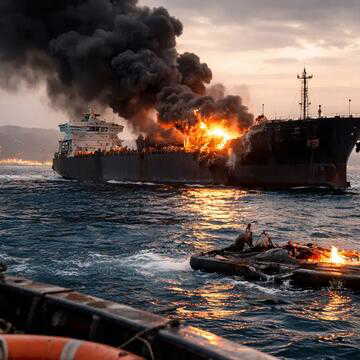
The narrow waterway, which separates Iran and Oman, carries about one-fifth of the world’s oil consumption along with significant volumes of gas. Shipping activity has slowed dramatically after Iranian attacks on oil tankers in the region. At least five tankers have been damaged, two personnel killed, and around 150 vessels left stranded near the strait.
A commander in Iran’s Revolutionary Guard Corps (IRGC) declared on Monday that the strait was "closed" and warned that any vessel attempting to pass would be set "ablaze", reported Aljazeera.
Oil prices jump, traffic plunges
Oil prices climbed above $79.40 per barrel on Monday, after standing at $73 on Friday amid escalating tensions before Saturday's joint US and Israeli strikes on Iran.
"Traffic is down at least 80 per cent," Michelle Bockmann, a senior maritime intelligence analyst at Windward, told Al Jazeera, noting that freight costs on Middle East and Gulf routes had already seen a "huge spike".
Cormack McGarry, director of maritime intelligence and security services at Control Risks, said mariners received a broadcast on Saturday via international distress frequency stating the strait was closed. "Every ship in the area would have heard that… and it was enough for most ships to pause."
Vessel tracking service Kpler reported limited traffic continuing on Sunday, mainly ships flying Iranian and Chinese flags. Bockmann added that some vessels may have switched off their Automatic Identification System to avoid detection.
Supply chains under strain
A prolonged closure appears unlikely, according to McGarry, who said such a move would mean Iran was "tightening the noose around its own neck". He added, "The idea they could affect a long-term sustained closure of the strait is completely unlikely… I'm more worried for regional supply chains."
Also Read | No evidence Iran's nuclear sites were hit, says IAEA, Iran differs - new twist to West Asia conflict
Energy markets are feeling the strain. One-fifth of global LNG supply and roughly 30 per cent of Europe's jet fuel supply move through or originate from the strait. Insurance premiums had already reached a six-year high before the conflict intensified.
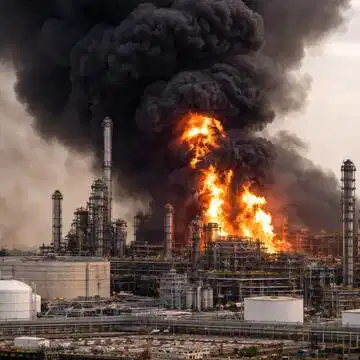
"There has definitely been an escalation overnight, with pressure on energy infrastructure in the Gulf and Qatar pre-emptively pausing LNG production," Rachel Ziemba said. "With tankers unwilling to come into the Gulf, it sends a message of what is at stake."
As vessels reroute around the Cape of Good Hope, companies face higher costs and longer delivery times. "With war risk insurance and additional emergency contingency insurance, it’s adding on thousands of dollars," David Warrick said, warning that disruptions come at a critical time for global sourcing and holiday planning.