Iran has ruled out the possibility of a meeting between US President Donald Trump and Supreme Leader Mojtaba Khamenei, while raising the stakes in ongoing negotiations by demanding the release of billions of dollars in frozen assets and warning of a broader regional conflict if diplomatic efforts collapse.
The remarks came from Mohsen Rezaei, a senior military adviser to Iran’s Supreme Leader, who told CNN that a meeting between Trump and Khamenei was not under consideration and blamed Washington for the current deadlock in negotiations.
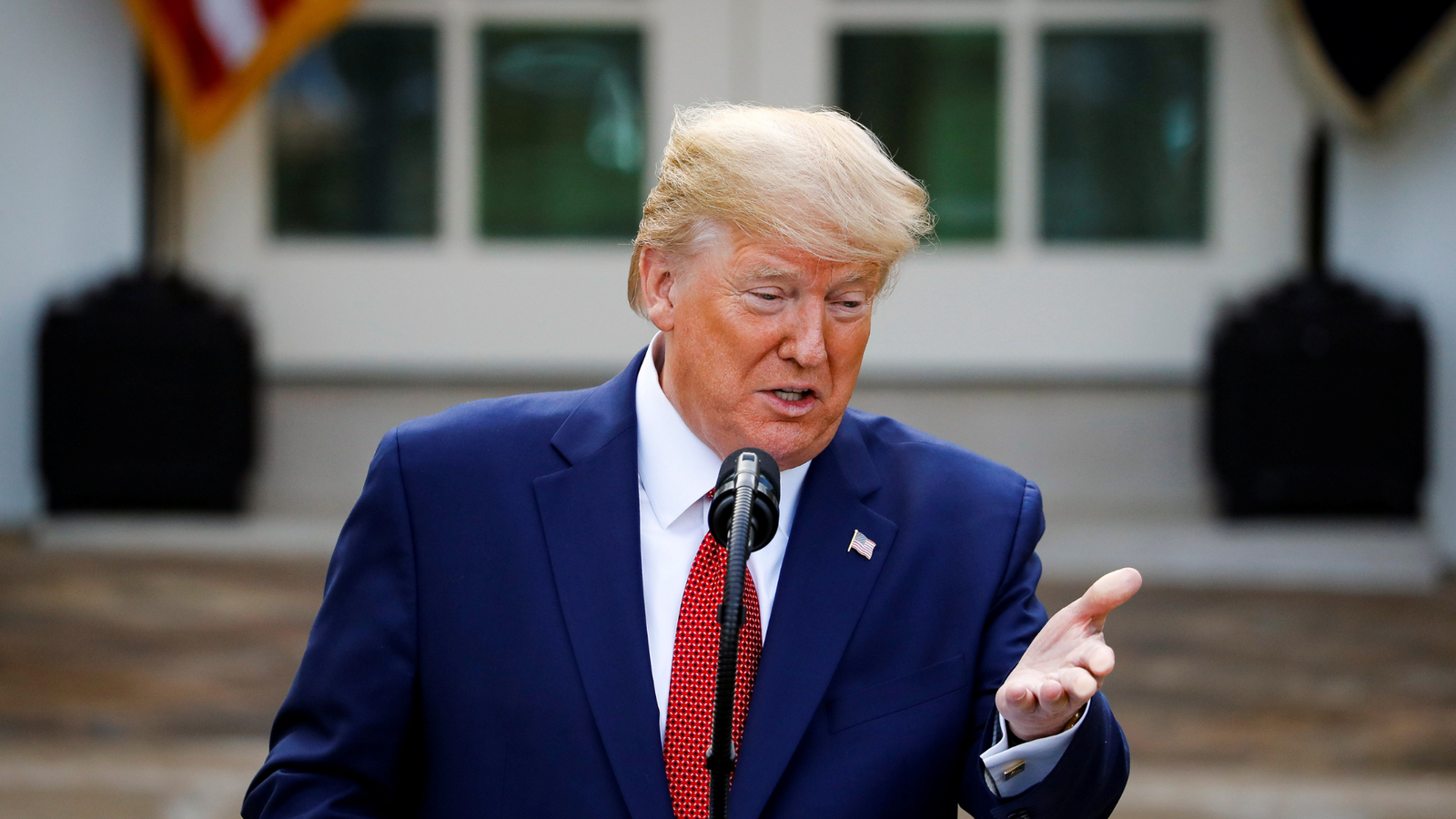
His comments followed Trump’s remarks on June 3, when the US President said he would be willing to meet Khamenei if it helped secure an agreement between the two countries.
Also Read | Green card boost? US court overturns Trump-era immigration freeze across 39 countries
“I’d be honored to meet him,” Trump had told reporters at the White House, adding that he would approach such a meeting with respect if negotiations progressed.
Iran demands release of frozen assets
According to Rezaei, Tehran believes the United States must take concrete steps before any breakthrough can occur. He said the release of approximately $24 billion in frozen Iranian assets would serve as an important confidence-building measure.
Speaking to CNN, Rezaei described the funds as Iran’s rightful property and argued that their release would demonstrate Washington’s commitment to reaching an agreement.
He also called for an end to what he described as a naval blockade in the Strait of Hormuz, saying such actions were necessary to rebuild trust between the two sides.
The comments come at a time when diplomatic efforts between Washington and Tehran remain fragile amid disagreements over sanctions, regional security and Iran’s nuclear programme.
Warning of a wider conflict
Rezaei also issued a strong warning over the consequences of a failed diplomatic process.
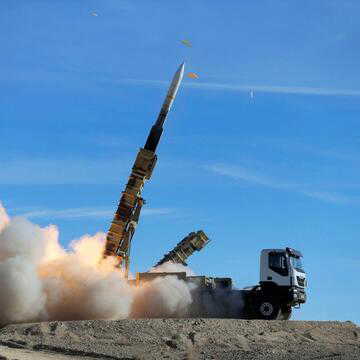
He said Iran was prepared for a prolonged confrontation if negotiations did not yield results and claimed Tehran could expand the conflict beyond the Gulf region.
According to Rezaei, any continuation of hostilities could see the conflict spread towards strategic maritime routes including the Indian Ocean, Bab al-Mandab, the Red Sea and the Mediterranean, with American military installations potentially becoming targets.
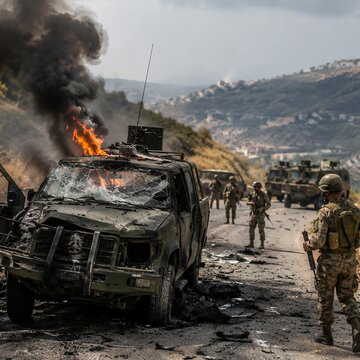
Also Read | Israel targets vehicle carrying Lebanese soldiers, tensions rise along border
The remarks underline growing tensions in the region as both sides continue to exchange sharp rhetoric while searching for a diplomatic breakthrough.
‘Make decisions independent of Israel’
In addition to outlining Iran’s demands, Rezaei urged Trump to pursue an independent policy towards Tehran rather than aligning closely with Israeli interests.
He argued that resolving long-standing disputes would require Washington to release Iranian assets, ease pressure measures and prioritise broader American interests.
His comments add another layer to the complex geopolitical calculations surrounding US-Iran relations, particularly as both countries continue to navigate a sensitive period of negotiations.
While Washington has repeatedly expressed openness to diplomacy, Tehran’s latest message suggests significant differences remain before any agreement can be reached.