The US is moving to secure fresh supplies of tungsten. A critical metal used in missiles, armor-piercing rounds and other weapons systems. The conflict with Iran consumed stocks while critically, China keeps tight control over the market.
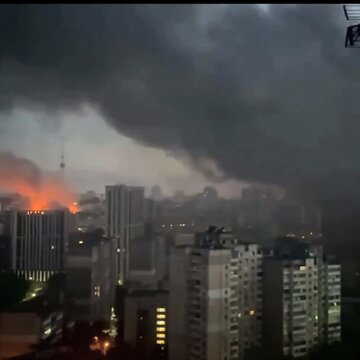
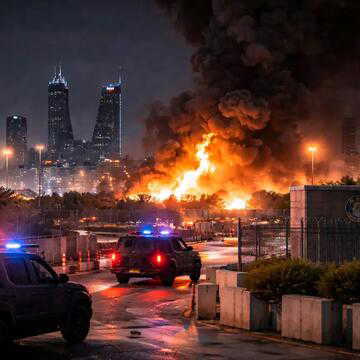
The US and Israel have used thousands of munitions in their air campaign against Iran, most of them containing tungsten, which is consumed when the munition detonates and cannot be recycled.
Also Read | Eastern Congo Ebola outbreak is outpacing the response, WHO warns of wider spread
📍 ABD’nin İran operasyonlarında yoğun mühimmat kullanımı, savaş sanayiinde kritik öneme sahip tungsten ihtiyacını artırdı. Küresel üretimin büyük bölümünü kontrol eden Çin’e bağımlılığı azaltmak isteyen Washington, Güney Kore ve Kazakistan gibi alternatif kaynaklara yöneliyor. pic.twitter.com/iYRpChh5wT
— SavunmaTR (@SavunmaTR) May 25, 2026
A tidy squeeze
The supply squeeze comes on top of China’s dominance of the sector.
According to NBC4 Washington, China has controlled about 80% of the supply chain and began limiting tungsten exports after introducing new licensing rules for so-called dual-use goods.
Those restrictions took effect on December 1, 2024, while the US Defense Department has separately barred its contractors from buying China-mined tungsten from January 1, 2027.
The market has taken a sharp lurch
The market reaction has been severe. Tungsten prices have surged sharply since China tightened export controls in February 2025, with the Rotterdam price for ammonium paratungstate rising from under $400 a metric ton a year ago to more than $2,200.
Reuters said tungsten products are now trading at their highest level in at least 90 years, while exports from China to US have fallen by nearly 40% since the new rules were introduced.
Why is #tungsten so expensive for US manufacturers? Trade tensions between the #US and #China have pushed tungsten prices up 300% over the past year. CRU’s Nicola Sanesi explains why in his @Marketplace interview.
— CRU Group (@CRUGROUP) May 24, 2026
Listen at 2:04: https://t.co/fvheWD6MOU#IranConflict #Price pic.twitter.com/AWzRj7ko4f
Fresh digs are coming up
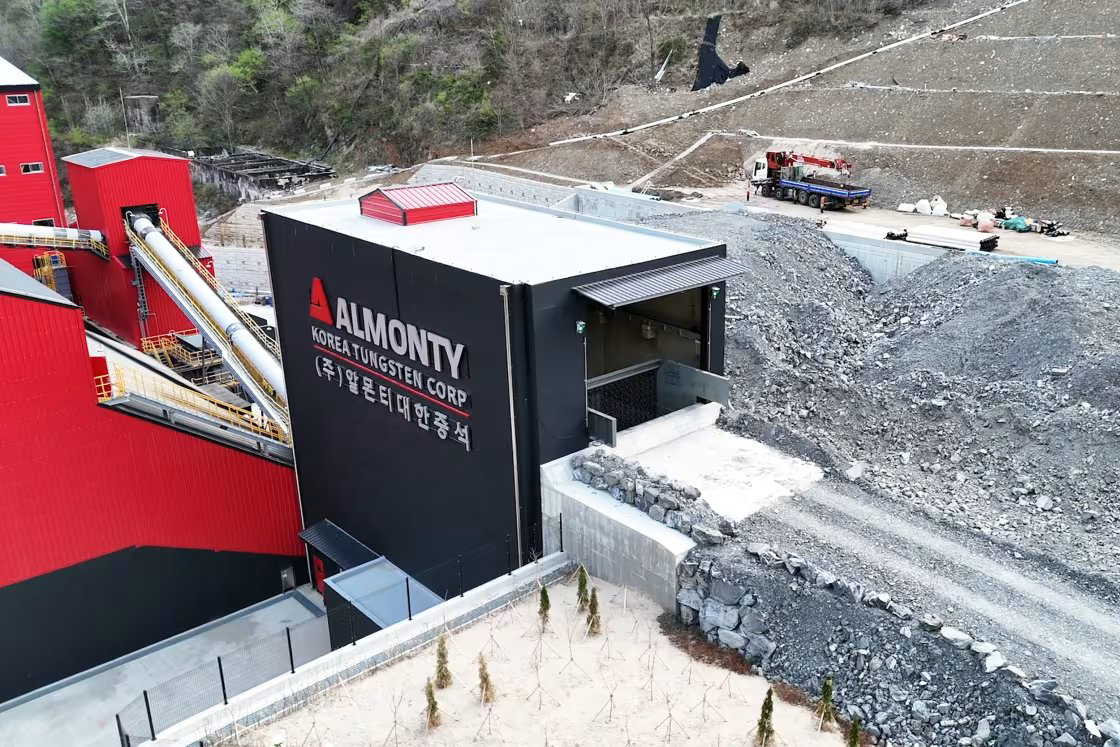
The pressure is pushing governments and companies to accelerate alternative supply chains. One of the world’s largest tungsten mines, Sangdong in South Korea, is moving toward resuming production.
The western supply is improving from a low base, helped by the start of the Boguty mine in Kazakhstan. The US mining investment company Cove Capital signed a deal in November to develop another large tungsten deposit in Kazakhstan, backed by $900 million from the US Export-Import Bank.
Building a reserve, just in case
Washington is also trying to build up strategic stockpiles. The Pentagon sought fresh supplies of 13 critical minerals, including tungsten, from industry partners the day before US and Israeli strikes on Iran began.
It also said federal awards have gone to Guardian Metal Resources for studies into the Pilot Mountain deposit in Nevada and to Amermin for enhanced recycling capacity. But many of the projects now being promoted are still years away from delivering metal.
Also Read | 'AI must not rule humanity': Pope Leo XIV warns AI could fuel war and misinformation in first encyclical
The scramble has started
The Chinese export move may have come too late to slow the broader shift.
Christopher Ecclestone, principal and mining strategist at Hallgarten & Company, said: “It’s a bit late for the Chinese on tungsten,” and added that “Everybody needs more tungsten.”
Reuters, meanwhile, quoted Amanda van Dyke of the Critical Minerals Hub as saying “missile math is mineral math,” a line that captures the larger bottleneck facing defence supply chains as military demand rises.