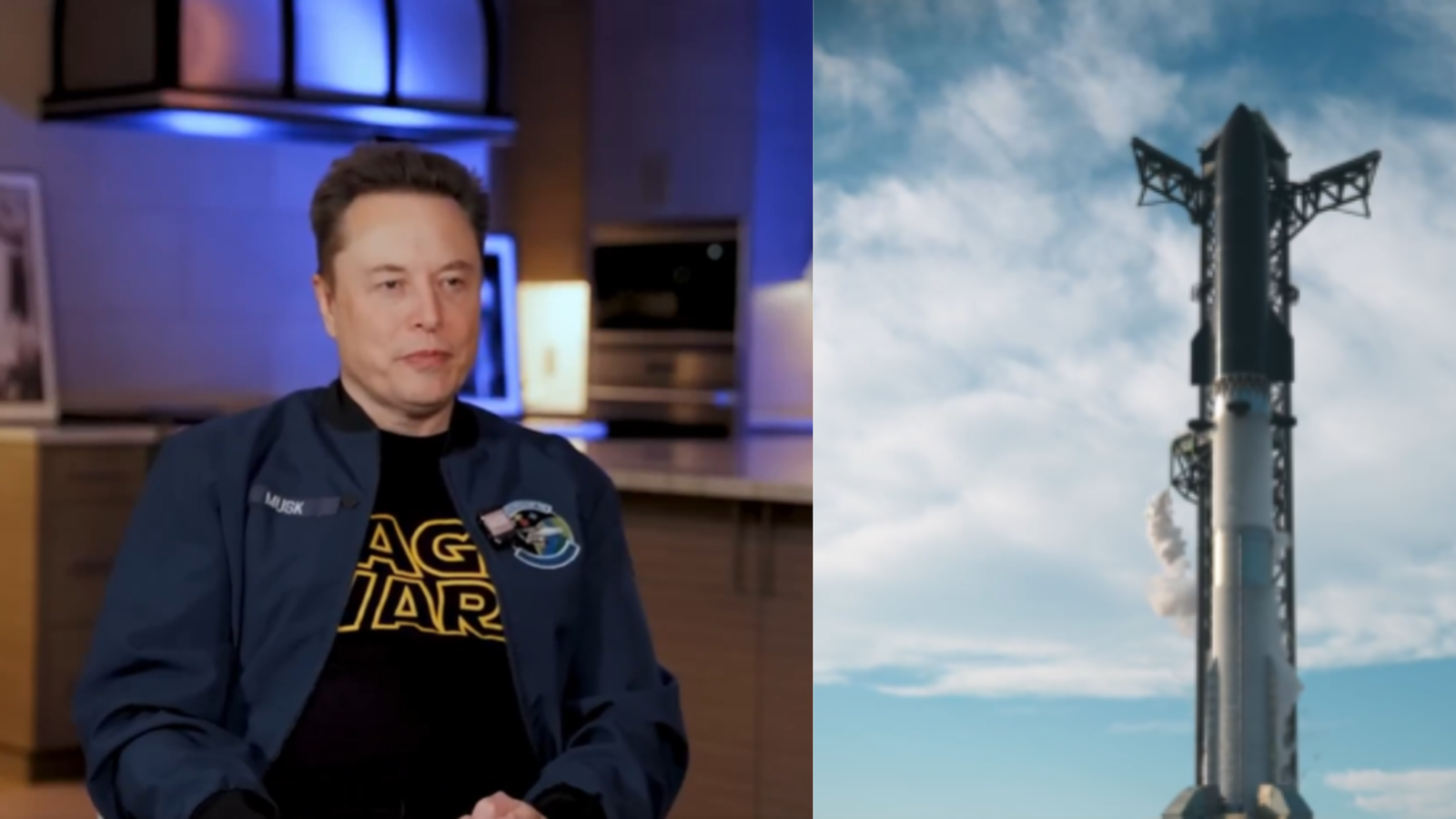
Elon Musk’s SpaceX postponed the much-awaited 12th uncrewed test flight of its Starship rocket on Thursday (local time) after a technical issue halted the countdown shortly before liftoff.
The launch was set to mark the debut of the redesigned Starship V3 vehicle from SpaceX’s Starbase facility in South Texas. Liftoff was scheduled for 6:30 pm CT on Thursday, which corresponds to 5:00 am IST on Friday. However, repeated delays during the countdown eventually forced the company to postpone the mission.
This was already the second schedule change for the launch after it had earlier been moved from 4:00 am IST.
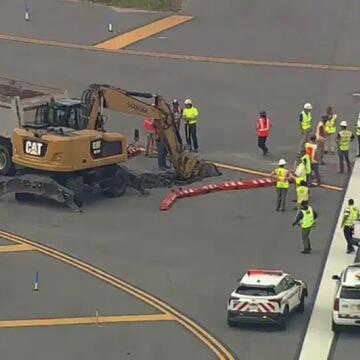
Also Read | New York’s LaGuardia Airport hit by major delays after sinkhole discovery
Hydraulic pin issue forces postponement
After the delay, Musk explained the reason behind the last-minute setback. “The hydraulic pin holding the tower arm in place did not retract. If that can be fixed tonight, there will be another launch attempt tomorrow at 5:30 CT,” Musk added.
The hydraulic pin holding the tower arm in place did not retract.
— Elon Musk (@elonmusk) May 21, 2026
If that can be fixed tonight, there will be another launch attempt tomorrow at 5:30 CT. https://t.co/DJAdvDYQpH
He also tried to reassure followers that the delay would not significantly affect future plans. “Failure today will not affect the schedule by more than a month or so.”
Following the postponement, SpaceX confirmed that it would attempt the launch again on Friday (local time) if the issue is resolved in time.
Why Starship V3 matters
Starship is designed as a fully reusable transportation system capable of carrying both crew and cargo to Earth orbit, the Moon, Mars and beyond. The combined Starship spacecraft and Super Heavy booster stand more than 400 feet tall and are considered the most powerful launch system developed so far.
Also Read | One layoff, 60 days to survive: The new fear for Indians in the US
The upcoming mission is particularly important because it introduces Starship Version 3, an upgraded model aimed at improving reusability and overall performance.
Starships are meant to fly @NICKIMINAJ pic.twitter.com/gwprhU4AV2
— SpaceX (@SpaceX) May 21, 2026
Earlier Starship Version 2 test flights in 2025 experienced several failures, including explosions and in-flight malfunctions. While SpaceX has successfully demonstrated the ability to catch the Super Heavy booster using the launch tower arms, it has not yet recovered the entire rocket system.
What the mission plans included
During the test flight, the Super Heavy booster was expected to ignite all 33 Raptor engines and push Starship close to orbital speeds before separating and returning toward Earth for a splashdown in the Gulf of Mexico.
Also Read | F-35s, Reaper drones and fighter jets: How did the US lose dozens of aircraft in the Iran conflict?
The mission also planned to deploy 20 dummy Starlink satellites and test upgraded satellite hardware in space. Starship itself was scheduled to splash down in the Indian Ocean roughly an hour after launch.