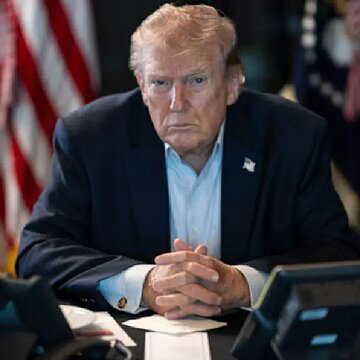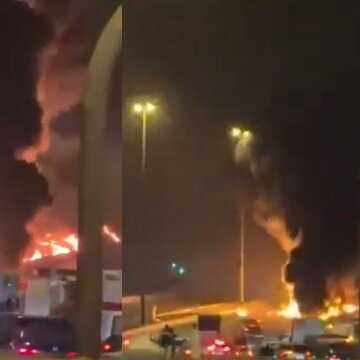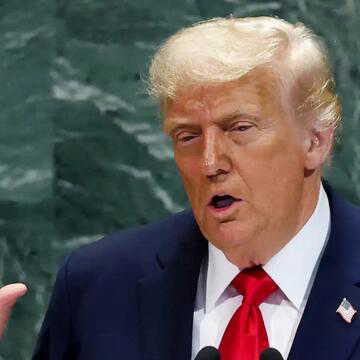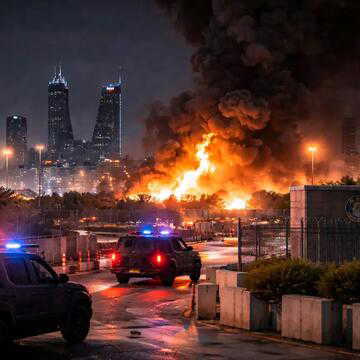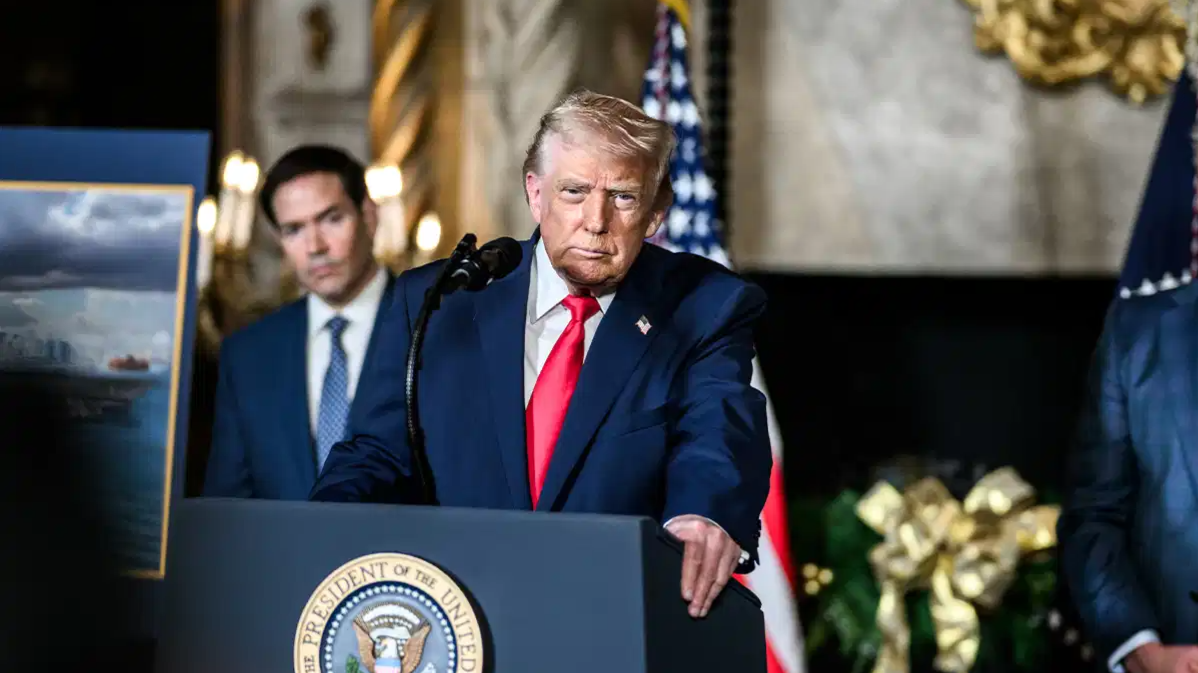
Three days after launching air strikes on Iran, US President Donald Trump outlined broad military objectives, but did not clearly define the long-term political goals of the operation.
The strikes mark the largest American military action in the Middle East in two decades. So far, the US campaign has focused on air power. Ground troops have not been deployed, though Trump did not completely rule out that possibility.
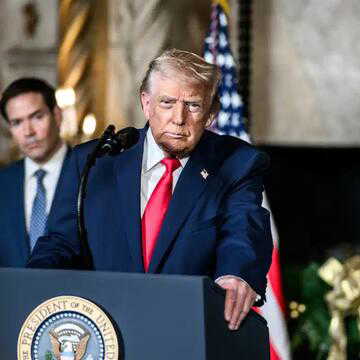
In remarks at the White House on Monday, Trump said the US aims to destroy Iran's ballistic missile programme, naval capacity, nuclear weapons capability, and support for proxy groups in the region. He described the operation as necessary to protect the United States and its allies, BBC reported.
Military objectives laid out by the administration
Trump said an Iran armed with long-range missiles and nuclear weapons would pose an intolerable threat to the Middle East and the American people. He called the strike the "last best chance" to act, though he did not provide detailed intelligence publicly.
Secretary of State Marco Rubio later said the US acted "pre-emptively", arguing that intelligence showed Israel was preparing to strike Iran and that US forces could have faced retaliation if Washington did not act first, BBC reported.
Operation Epic Fury, as described by War Secretary Pete Hegseth, is not intended as a regime change war. However, he acknowledged that the Iranian regime "sure did change," referring to the reported killing of Supreme Leader Ayatollah Ali Khamenei.
General Dan Caine, Chairman of the Joint Chiefs of Staff, cautioned that achieving US objectives would be difficult and could involve sustained effort. He warned that further American casualties are possible.
Also Read | What is the Golestan Palace, the UNESCO treasure damaged in Tehran?
Questions surrounding regime change
Trump's statements over the weekend appeared to suggest support for political change in Tehran. He urged Iranians to "take back your government" and later said the strike had eliminated most potential successors to Khamenei.
However, on Monday, he did not outline any plan for Iran's political future after the conflict.
6 US service members have been killed in retaliatory Iranian strikes targeting American interests in Jordan, Bahrain, and the United Arab Emirates. Trump acknowledged the risk of additional casualties but said the operation would reshape the regional balance of power.
Also Read | Shockwaves in Tehran: Israel hits Iran’s presidential office in daring overnight strike
Messaging draws flak
The administration's communication strategy has drawn criticism. Unlike previous Presidents who addressed the nation in formal speeches before major wars, Trump has relied heavily on social media posts and brief interviews.
Democratic lawmakers have questioned whether the administration has presented clear intelligence showing an imminent threat. Representative Adam Smith said Congress has not seen specific evidence regarding Iran's nuclear progress, as reported by the BBC.
Former CIA Director General David Petraeus described the killing of Khamenei as historically significant but warned that calls for an internal uprising in Iran could be risky.
Trump said the conflict could last four to five weeks, or "as long as it takes". He did not specify what conditions would signal the end of US operations.