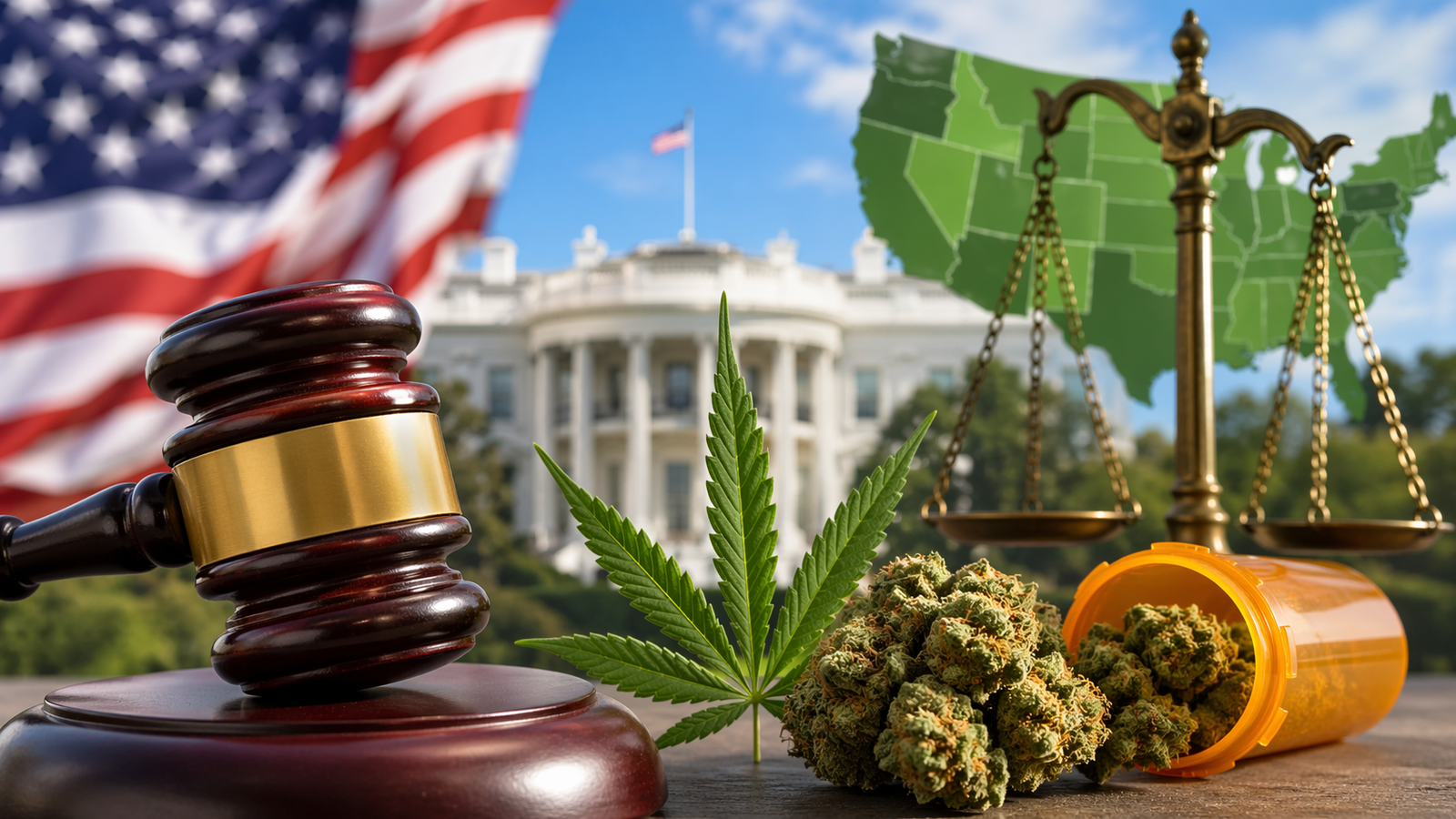
The administration of Donald Trump on April 23 moved state-licensed medical marijuana to Schedule III under the Controlled Substances Act. The decision marks the biggest federal rethink of cannabis classification in more than 50 years. It does not legalise recreational marijuana nationwide, but it reflects a clear change in how federal authorities assess the drug.
What the reclassification means
Shifting marijuana to Schedule III places it in a category with substances such as anabolic steroids and Tylenol with codeine. It signals that regulators now recognise it has “currently accepted medical use” and a comparatively lower potential for dependence than Schedule I drugs.
The move is expected to open new doors for research. Scientists will face fewer restrictions when conducting clinical studies on cannabis, including its safety and medical applications.
There are also financial implications. By removing the “280E” tax provision, state-licensed medical marijuana businesses can now access federal tax deductions that were previously unavailable. According to reports by Al Jazeera and others, the shift could also make financial institutions more willing to serve the sector.
Also Read | Is US facing a missile crunch? Iran war puts questions to forefront
What remains unchanged
Even with the reclassification, marijuana continues to be regulated at the federal level. Recreational use remains illegal under federal law, and interstate transport of non-medical cannabis is still prohibited.
The change applies only to state-licensed medical marijuana programmes. Products outside these systems continue to fall under stricter Schedule I classification. Individual states also retain the power to prohibit marijuana or enforce tighter controls.
How the policy was implemented
The reclassification was carried out through an executive order alongside action from the Department of Justice. While the medical category shift has been accelerated, a broader review of marijuana’s overall classification is ongoing.
Formal rulemaking proceedings, including hearings, are expected to begin in late June 2026. Officials have indicated that the move is intended to better align federal rules with the reality that around 40 states already allow medical marijuana use.
Divided reactions
The response has been sharply split. The American Trade Association for Cannabis and Hemp called it a major step forward, framing it as long-overdue recognition of cannabis as a legitimate medical treatment.
Also Read | US slaps 123% duties on solar imports from India, Indonesia, Laos — what triggered this move?
On the other hand, Smart Approaches to Marijuana criticised the move, warning it could blur public understanding of the drug’s risks and labelling it a “tax break to Big Weed”.
What the key questions reveal
As per a report by News 18, the shift reflects a broader trend towards easing federal restrictions while allowing states greater control. According to reviews conducted by the US Department of Health and Human Services, the use of marijuana is deemed medically useful and entails a lower chance of being abused compared to drugs in the highest class.
The possible benefits of legalisation include further research, expanded business opportunities, and financial relief for companies. However, there is still apprehension over health hazards, inconsistency in state laws, and ambiguity in federal laws.