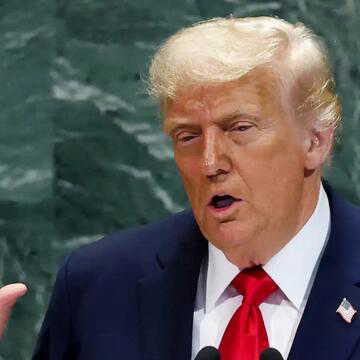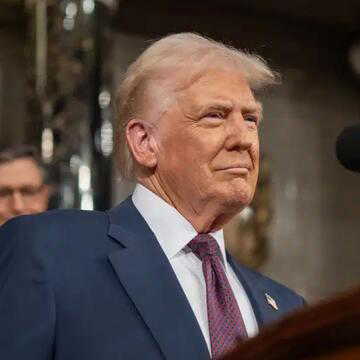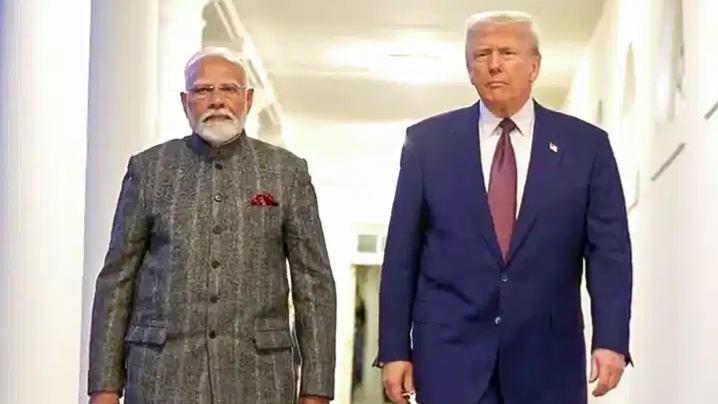
US President Donald Trump spoke with Prime Minister Narendra Modi on Tuesday, focusing on the evolving situation in West Asia and the need to keep critical shipping routes open. The conversation comes amid signs of possible de-escalation in the ongoing US-Israel conflict with Iran.
Focus on peace and stability
According to US envoy Sergio Gor, the leaders discussed the conflict and "including the importance of keeping the Strait of Hormuz open". The waterway remains a key global energy route, making its stability a shared concern.
President Donald Trump just spoke with Prime Minister Modi. They discussed the ongoing situation in the Middle East, including the importance of keeping the Strait of Hormuz open.
— Ambassador Sergio Gor (@USAmbIndia) March 24, 2026
Also Read | US expands ban on Chinese tech, targets consumer routers over security concerns
PM Modi later confirmed the discussion, writing on X, "Received a call from President Trump and had a useful exchange of views on the situation in West Asia. India supports de-escalation and restoration of peace at the earliest. Ensuring that the Strait of Hormuz remains open, secure and accessible is essential for the whole world. We agreed to stay in touch regarding efforts towards peace and stability."
Received a call from President Trump and had a useful exchange of views on the situation in West Asia. India supports de-escalation and restoration of peace at the earliest. Ensuring that the Strait of Hormuz remains open, secure and accessible is essential for the whole world.
— Narendra Modi (@narendramodi) March 24, 2026
Talks amid signs of thaw
The call comes as Trump signalled that tensions with Iran could ease. He said the US was engaged in "productive" talks with Tehran and extended by five days the deadline for potential strikes on Iranian power plants linked to the Strait of Hormuz situation.
However, signals from Iran remained mixed. While some officials claimed the US stepped back "following Iran's firm warning", there was no clear confirmation on the status of negotiations.
Also Read | What did US presidents do before breakfast? These habits might surprise you
India's diplomatic outreach
India has been actively engaging with multiple stakeholders in the region. PM Modi told Parliament, "Since the start of the war, I have held two rounds of phone conversations with the heads of state of most countries in West Asia. We are in continuous contact with all the Gulf countries, and we are also in touch with Iran, Israel, and the United States."
He added, "Through diplomacy, India is trying to ensure safe commutation of the country's ships even in a war situation. India has opted for a solution through dialogue to resolve this issue," PM Modi added.
The Prime Minister also highlighted the importance of protecting the Indian diaspora in the Gulf region.
Strait of Hormuz remains key
Officials reiterated that the Strait of Hormuz remains an international waterway. Rajesh Sinha, special secretary in the Shipping Ministry, said, "It is an international strait. Permission was not required before. It is not required even today. You definitely assess the situation as to how the safety will be, how one should move, at what time one should move, but still, it is not that permission is required from anyone," he said.
The situation continues to evolve as diplomatic efforts intensify.