US President Donald Trump has added a new layer of complexity to the already fragile West Asia peace negotiations by linking a possible agreement with Iran to a wider expansion of the Abraham Accords.
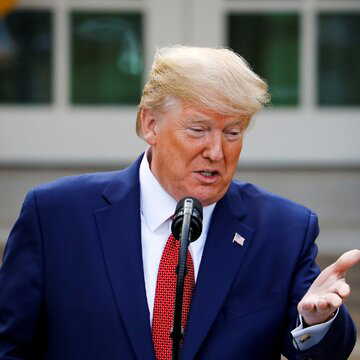
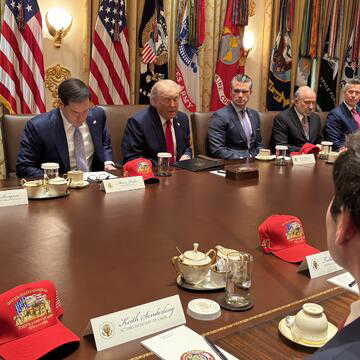
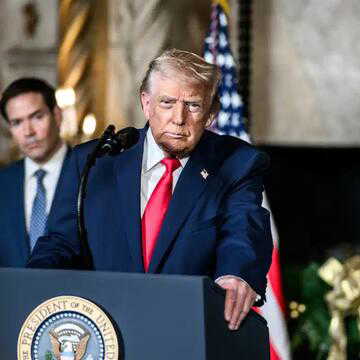
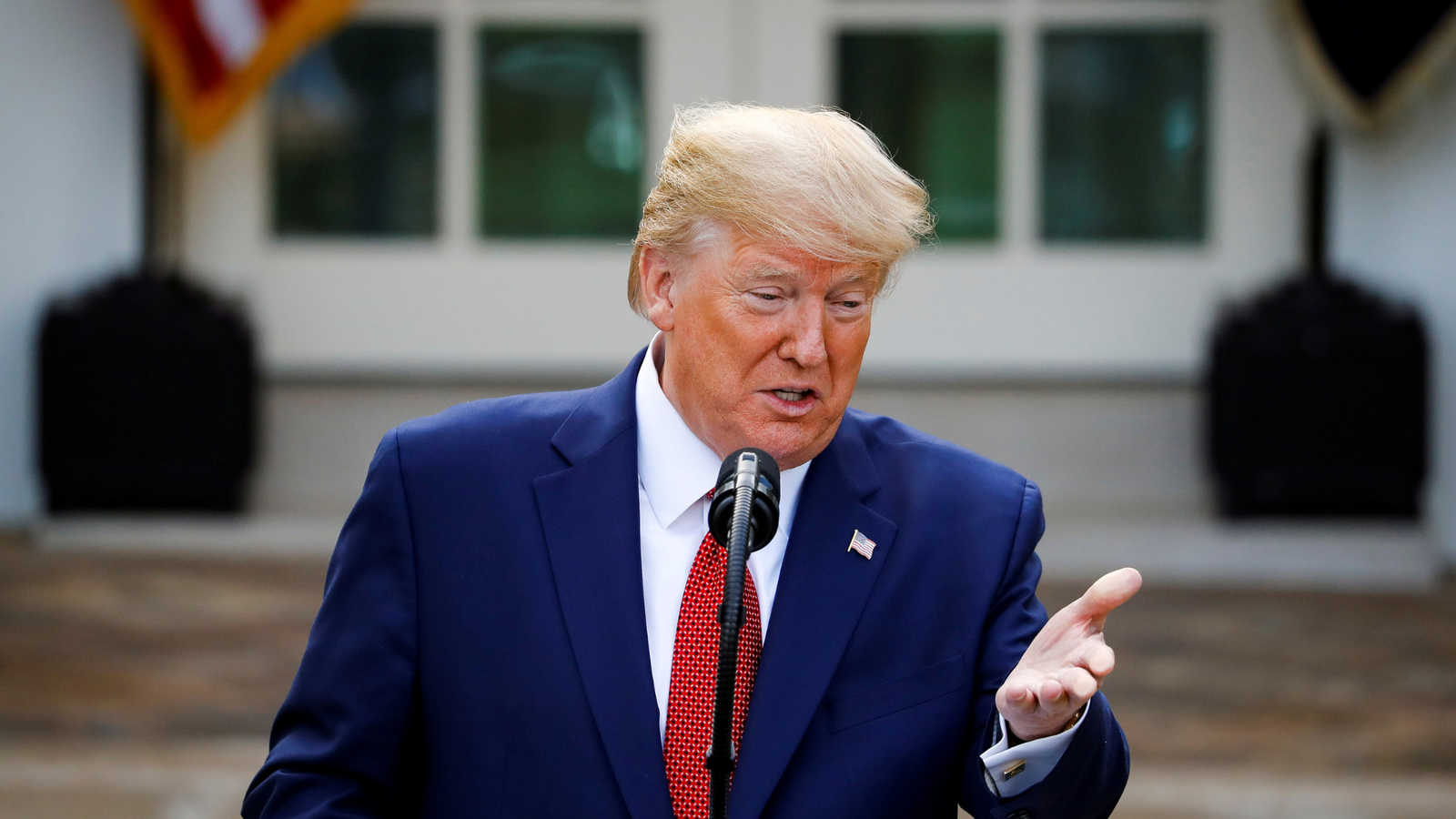
During a White House Cabinet meeting on Wednesday, Trump indicated that a final settlement with Tehran may depend on whether major Gulf nations, including Saudi Arabia, move ahead with formal diplomatic ties with Israel. “I’m not sure we should make the deal if they don’t sign," Trump said, referring to the proposed expansion of the accords.
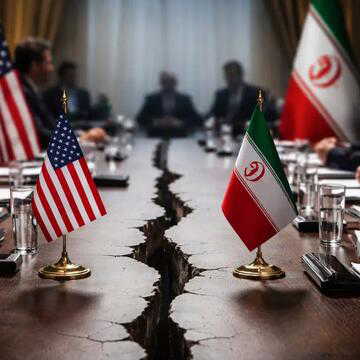
The remarks come at a crucial stage in the negotiations. More than 50 days have passed since a temporary ceasefire was announced on April 8, but there has been no permanent breakthrough to end the conflict or fully restore normal movement through the Strait of Hormuz.
Also Read | ‘We’ll have to blow them up’: Trump issues explosive warning on Oman during Iran talks
What are the Abraham Accords?
The Abraham Accords are a set of US-brokered agreements first signed in 2020 during Trump’s earlier term in office. Named after the biblical figure Abraham, who is respected in Judaism, Islam and Christianity, the agreements marked a major shift in regional diplomacy.
For decades, many Arab nations had maintained that recognising Israel would only be possible after the creation of an independent Palestinian state with East Jerusalem as its capital. The accords changed that approach by allowing countries to establish ties with Israel without waiting for a final resolution to the Palestinian issue.
The United Arab Emirates and Bahrain became the first countries to sign the agreements at the White House in September 2020. Morocco and Sudan later joined the framework, while Kazakhstan formally became part of the initiative in November 2025.
The accords opened cooperation across sectors, including trade, tourism, technology and investment, while also strengthening regional security coordination.
Also Read | Trump uses cabinet meeting to warn Iran, boost Ebola screening and tout fraud crackdowns
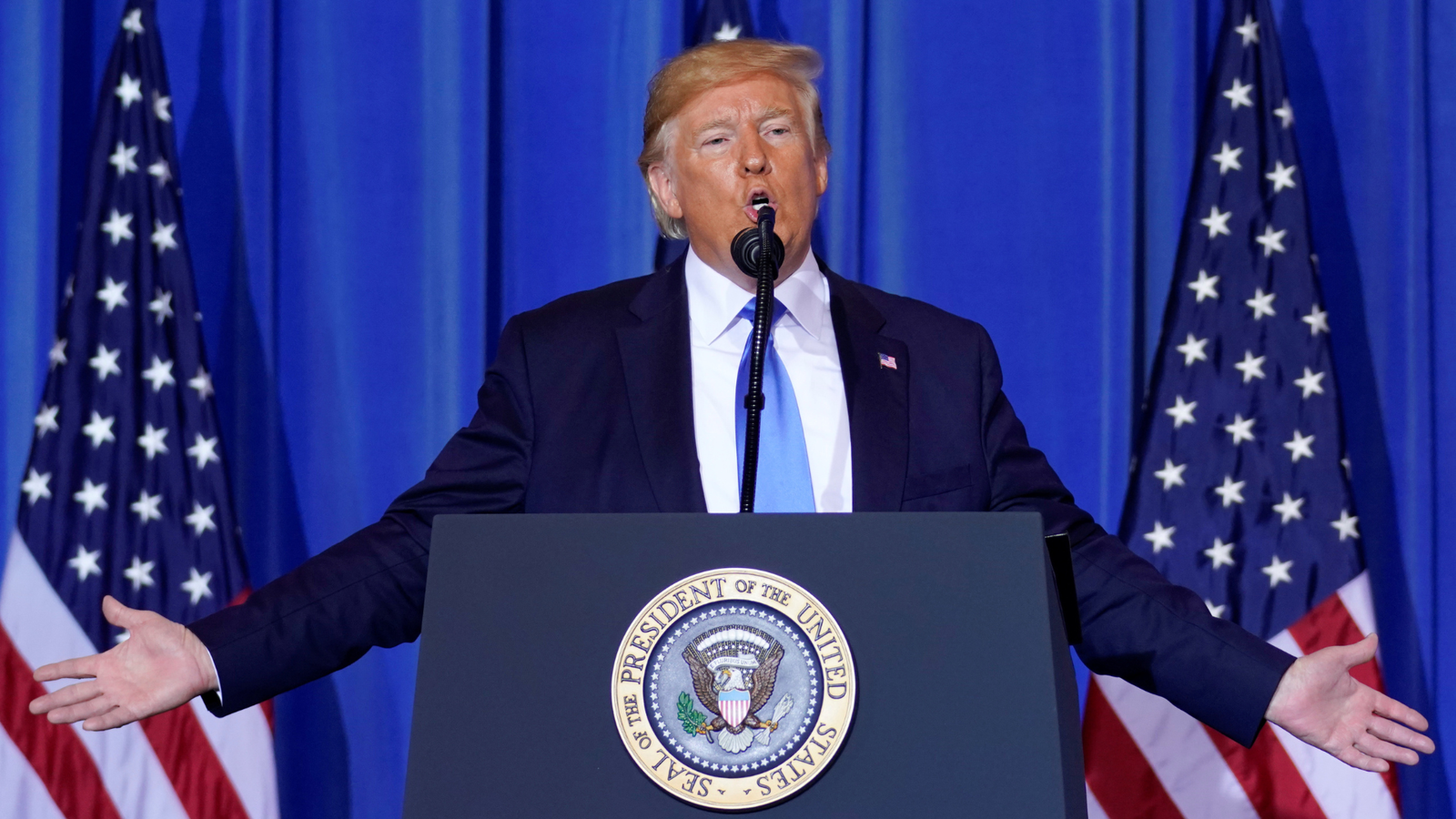 Saudi Arabia’s stance remains key in Trump’s West Asia push /ANI
 Why is Trump linking them to the Iran deal?
According to a News 18 report, analysts say the White House sees three strategic advantages in connecting the peace process with the Abraham Accords.
First, the move could help counter criticism from Republican hardliners and Israeli Prime Minister Benjamin Netanyahu, who have expressed concern over easing restrictions on Iran.
Second, Washington appears to be pushing for a broader regional alliance combining Gulf financial influence with Israeli defence and technology capabilities to limit Iran’s influence across West Asia.
Third, the administration may be using the economic strain caused by the Hormuz crisis and sanctions on Iran as leverage to encourage regional governments to accept normalisation agreements they may otherwise avoid.
Trump also suggested that Iran itself could eventually join the Abraham Accords after a final agreement is reached.
Also Read | 'Complete fabrication': Iran-US peace framework claim rejected by Trump administration amid ongoing talks
Saudi Arabia, Pakistan push back against Trump’s proposal
Despite pressure from Washington, resistance to the proposal remains strong across the region.
Pakistan, which has been involved in mediation efforts between the United States and Iran, rejected the proposal earlier this week.
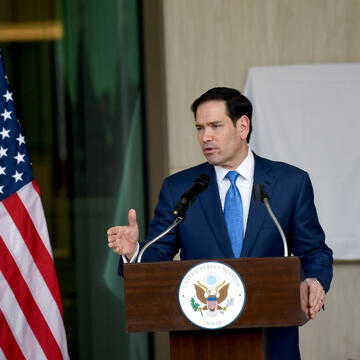
Saudi Arabia has also repeatedly stated that any normalisation with Israel would require a “clear, credible, and irreversible path" toward the creation of a Palestinian state, an issue that remains unresolved in the current negotiations.