Indo-Pacific countries are expanding defence cooperation with one another as they confront China’s military build-up and fresh uncertainty over the durability of US attention to the region.
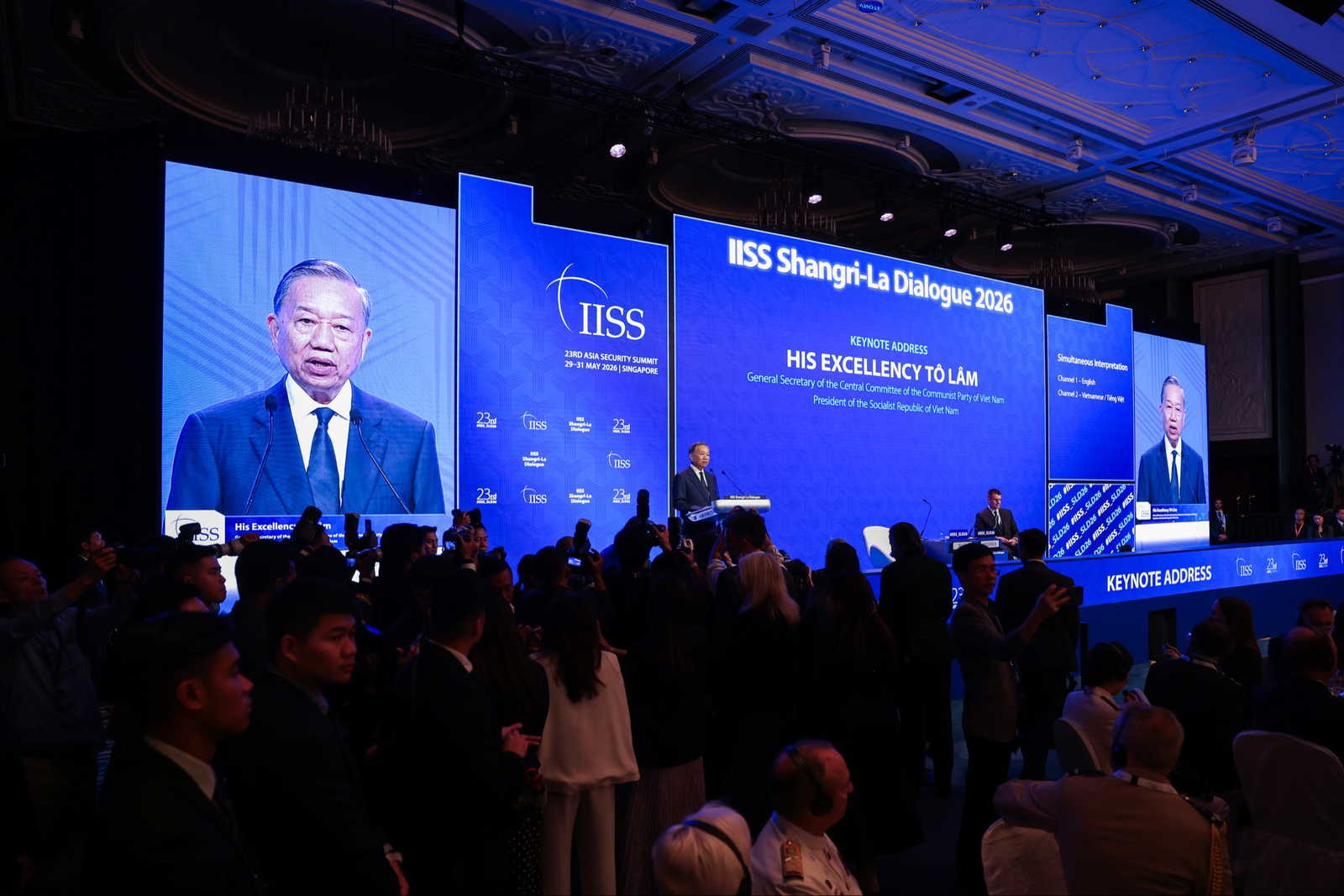
At Asia’s leading security forum on Saturday, US Defense Secretary Pete Hegseth urged allies to take on a larger share of the security burden, even as regional officials discussed how to work more closely together beyond the long-standing American security umbrella.
The dialogue unfolded against a backdrop of concern that Washington’s focus could be divided by other crises, including conflict in Iran.
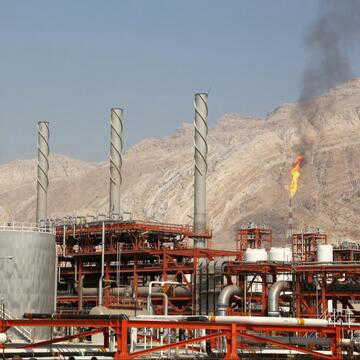
Also Read | Iran restores South Pars gas output at three platforms after Israeli strikes
🇮🇳🇻🇳🇨🇳 Vietnam just bought a Mach 3 headache for China
— Mario Nawfal (@MarioNawfal) May 30, 2026
India's defence secretary confirmed it at the Shangri-La Dialogue, the BrahMos deal with Vietnam is signed. Done quietly, not formally announced, but done.
The BrahMos is a supersonic cruise missile India builds with… pic.twitter.com/ZtONTXXbTJ
A firmer handshake across the seas
Hegseth sought to reassure partners, saying, “We can do two things at one time.”
But several Asian officials at the Shangri-La Dialogue also made clear that their governments are preparing for a more networked regional security model.
Philippines Defence Secretary Gilberto Teodoro told that defence chiefs at the forum were aligned on the need for “agile and speedy upscaling” of their own capabilities, while describing such efforts as reinforcing the US role rather than replacing it.
He said Manila was deepening ties with Japan, Australia, Canada and New Zealand, and added that the US commitment becomes stronger when more actors join deterrence efforts in response to a shared threat.
A nuclear superpower calling its peaceful neighbor "militarist" is pure gaslighting. Japan is officially refusing to back down against Beijing's psychological warfare. At the 23rd Shangri-La Dialogue in Singapore, Japanese Defense Minister Shinjiro Koizumi delivered a blistering… https://t.co/FblsqlhRFk pic.twitter.com/j9DKzdnEy7
— UnveiledChina (@Unveiled_ChinaX) May 31, 2026
Tokyo steps smartly into the frame
Japan is positioning itself as a central node in that broader partnership web.
Japan’s defence minister, Shinjiro Koizumi, said Tokyo aims to serve as a “connecting point” for closer regional cooperation beyond China. He also said Japan would be “even more proactive in defence equipment cooperation” and that the country’s aim was to ensure partners have the capabilities they need when they need them.
Japan in April unveiled its biggest overhaul of defence export rules in decades, removing restrictions that had limited overseas sales of warships, missiles and other weapons.
Singapore Defence Minister Chan Chun Sing called for “flexible partnerships” among “like-minded countries,” saying such coalitions could help bridge gaps and test ideas in new terrain.
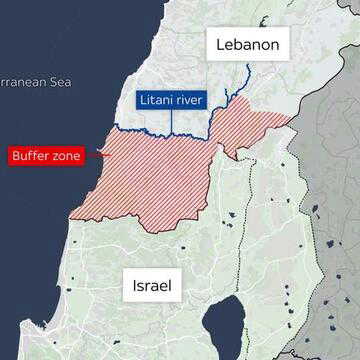
Also Read | Israel pushes beyond Litani River in deepest Lebanon incursion in 26 years
The wider company falls into line
Other countries at the forum also pointed to a broader regional shift.
Canada’s Chief of Defence Staff, General Jennie Carignan, said Canadian forces were increasing their presence in the Indo-Pacific and cooperating with Japan and the Philippines on cybersecurity and maritime exercises. New Zealand Defence Minister Chris Penk said Wellington was considering Japanese and British vessels to replace its ageing ANZAC-class frigates, and said there was scope for the Five-Powered Defence Arrangement to operate “at a more intense level.”
Australia’s Defence Minister Richard Marles described ties with Washington as “absolutely fundamental” to Australia’s national security. Even so, several officials said their confidence in the US remained intact despite concerns about Iran and President Donald Trump’s “America First” approach.