Ukraine’s battlefield use of ground robots and drones is moving from trial to active combat, with The National reporting that unmanned systems have helped Kyiv regain territory and reduce reliance on infantry in some of the war’s most dangerous zones.
Ukraine has used unmanned ground vehicles alongside aerial drones to take back up to 600 square kilometres this year, while Russian assaults continue to rely on large numbers of troops at a cost that is increasingly hard to sustain.
Also Read | Trump health report: Fit for office, but what concerns remain under watch?
🇺🇦🇷🇺 Ukraine doesn't have enough men… So they built robots to die instead.
— Mario Nawfal (@MarioNawfal) May 31, 2026
One unit ran 164 robot assaults and calculated they would have needed 2,300 troops to achieve the same effect.
Expected casualties from that: roughly 1,000 dead or wounded Ukrainians.
The robots took… https://t.co/A50WRVynAY pic.twitter.com/PPyEJQFZSX
A most curious turn at the front
The report said President Volodymyr Zelenskyy announced last month that a Russian position had been taken using only ground and aerial drones, with the operation carried out “without infantry and without losses on our side".
Ukrainian troops in some areas have moved beyond the 20km striking range of Russia’s more advanced aerial drones, effectively stepping away from traditional trench warfare.
Ukraine has also deployed Hornet loitering drones that use AI to evade Russian jamming and can hit logistics targets up to 100km behind the front line, including supply routes linked to the M14 motorway.
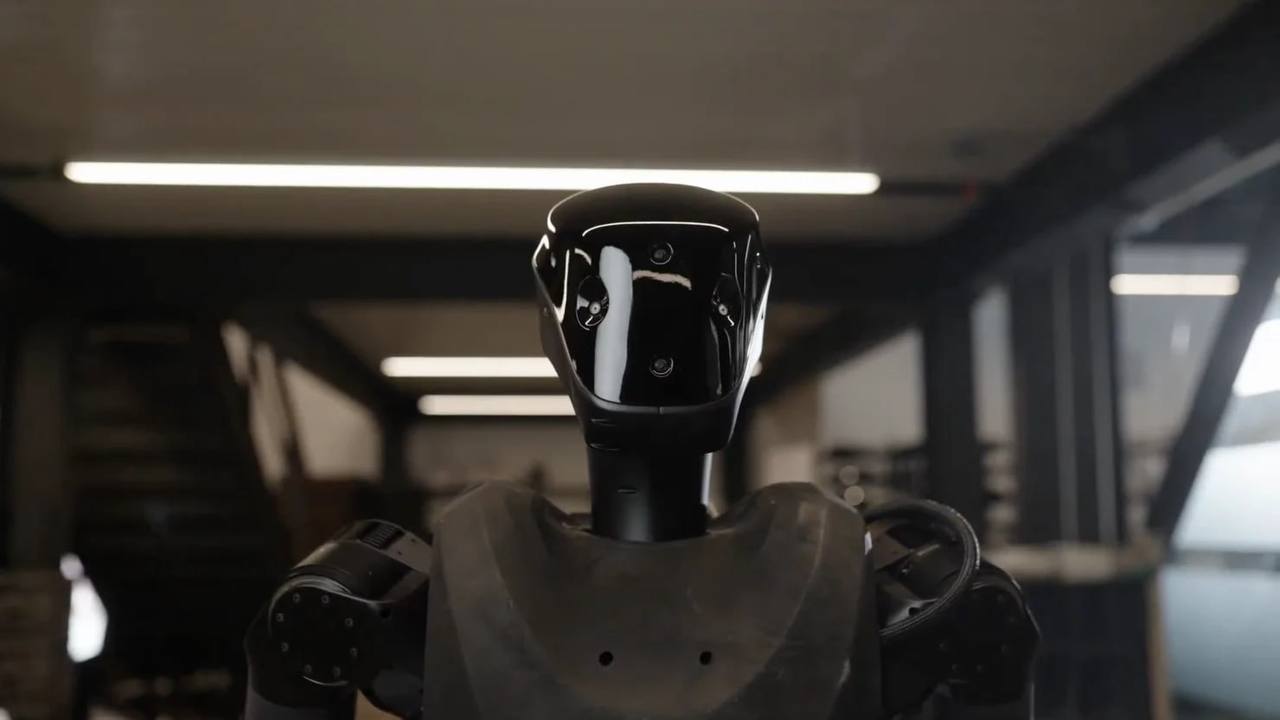
⚡#Ukraine 🇺🇦 has started testing humanoid combat robots for use by its armed forces against #Russia 🇷🇺. [РеальнаВійна]
— The Path to Peace (@osintpeace) May 30, 2026
Follow to stay informed pic.twitter.com/qNkYZ9PIip
Of steel, tracks and calculated peril
The National identified two ground systems that have drawn attention on the battlefield: the Devdroid-built Droid TW-12.7, a tracked robot armed with a 12.7mm Browning machine gun and night-vision capability, and the Droid NW 40, which carries a belt-fed 40mm grenade launcher with a reported 1.5km range.
Military intelligence expert Dr Lynette Nusbacher said, “What is really interesting is the impact that we're now seeing of track- or tractor-wheeled killer robots," adding, “If Ukraine were able to deploy them at range, operating autonomously in large numbers, then they could unleash swarms of drones, and that could break the stalemate.”
Also Read | Tear gas, fires and hundreds arrested: PSG title celebrations erupt into violence in France
A wager on machines and endurance
The article also quoted former British soldier and Russia specialist Bob Seely, who said Ukrainians “haven't quite given up on trench warfare” but had largely replaced it with “zonal defence".
It said Kyiv’s generals plan to replace 30 per cent of manpower in the most active frontline zones with drones by buying 25,000 unmanned ground vehicles this year for attack, logistics and evacuating the wounded.
Even so, the piece noted that Russia still has the capacity to adapt, and Dr Nusbacher said “ultimately ground doesn't matter, it’s the enemy's will to fight matters,” underscoring that the technological edge does not guarantee a quick end to the war.