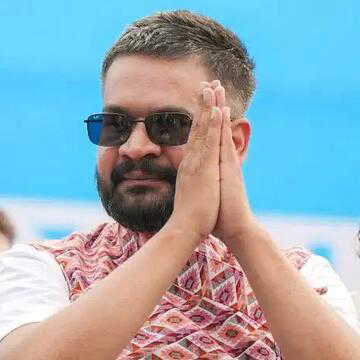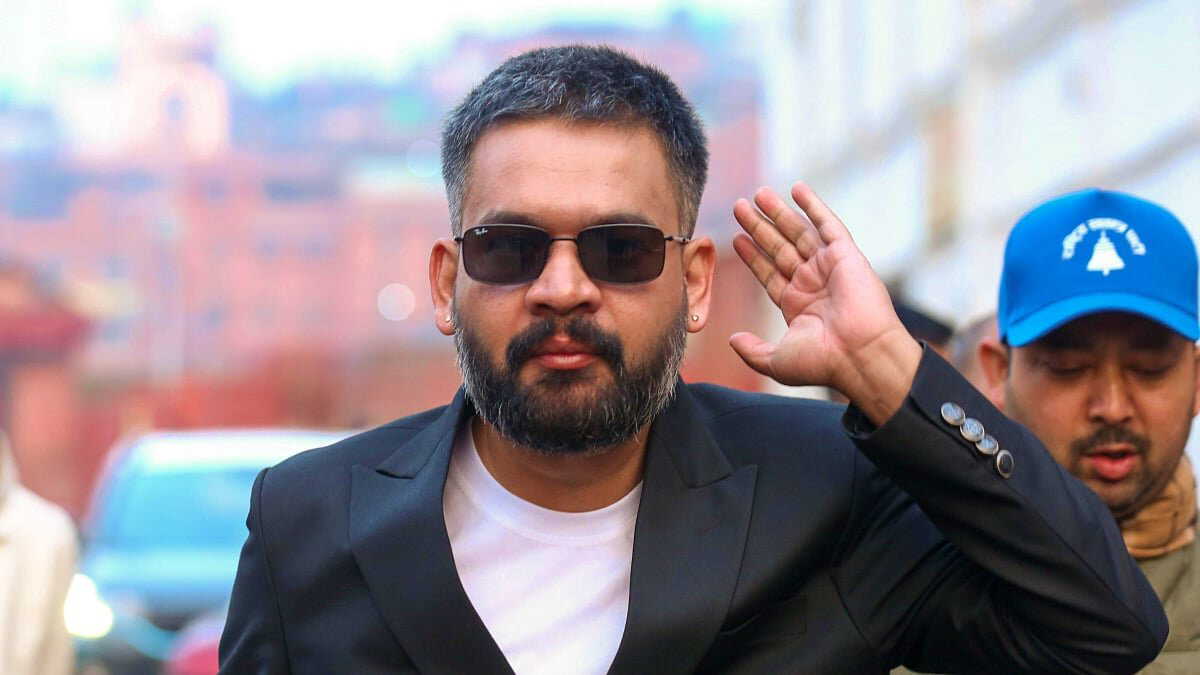
Nepal is headed for a major political shift as the Rastriya Swatantra Party (RSP) moves toward an absolute majority in the country's general election. The party's Prime Ministerial candidate, Balendra Shah, is now poised to become the next Prime Minister after defeating former premier K. P. Sharma Oli by nearly 50,000 votes in the Jhapa-5 constituency.
If the current trend holds, the 35-year-old Kathmandu mayor, popularly known as Rapper Balen, will lead the next government. It would mark the first time in many years that a single party secures a clear majority in the Himalayan nation's parliament.
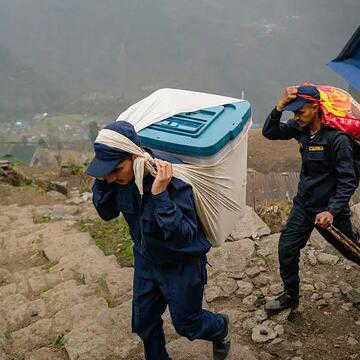
According to the Election Commission of Nepal, results counted until 10 PM on Saturday show RSP winning 44 seats and leading in another 75 in the direct election category. The party has also secured nearly 60 per cent of the votes in the proportional representation count.
Prime Minister Narendra Modi congratulated Nepal on the peaceful conduct of the election. In a post on X, he wrote, "I extend my heartfelt congratulations to the people and government of Nepal on the successful and peaceful completion of the elections. I am immensely delighted to see my Nepali sisters and brothers so vibrantly exercising their democratic rights."
"As a close friend and neighbour, India remains steadfast in its commitment to working together with the people of Nepal and their new government to attain new heights of shared peace, progress, and prosperity," he added.
Also Read | Israeli strikes hit Tehran oil depots as fires erupt across the capital
Gen Z protests paved the way
The rise of RSP has been closely linked to the youth-led protests that took place in September last year. Demonstrations led largely by Gen Z participants forced the collapse of the government headed by K. P. Sharma Oli.
During that period, Balendra Shah emerged as a prominent choice among younger voters. Many protesters wanted him to serve as interim Prime Minister. However, he declined the idea and insisted that he would only assume the role after winning a public mandate.
Following the government's fall, former Chief Justice Sushila Karki was appointed interim Prime Minister. She later announced general elections for March 5, 2026.
How Nepal elects its government
Nepal’s lower house, the House of Representatives of Nepal, has 275 members elected through a mixed voting system.
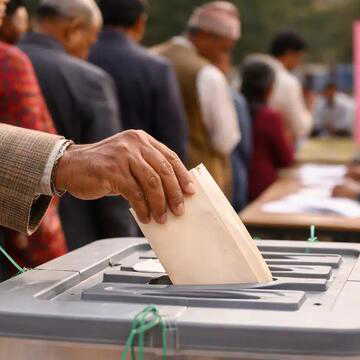
Of these, 165 seats are decided through the First-Past-The-Post (FPTP) method, while 110 are filled through proportional representation. Voters cast two ballots on election day, one for a candidate in their constituency and another for a political party.
Also Read | Viral ‘light pillars’ seen in Canada’s sky spark alien rumours — here’s the real reason
Meanwhile, other parties have suffered major setbacks in the election. The Rastriya Prajatantra Party (RPP), which had led protests demanding the restoration of monarchy last year, has almost disappeared from the electoral map.
Speaking to supporters, Gen Z voters sent a clear message to Shah: 'We have high expectations from you. We voted for your party. Now show us your work.'
Shah has said he plans to present public updates every eight days to ensure accountability and reduce delays in governance.