Nepal’s parliamentary election is turning out to be a contest of political parties and new leaders emerging after the country witnessed a spate of protests led by the youth last year.
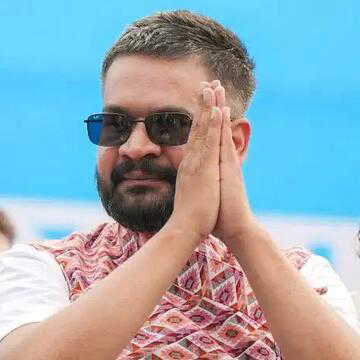
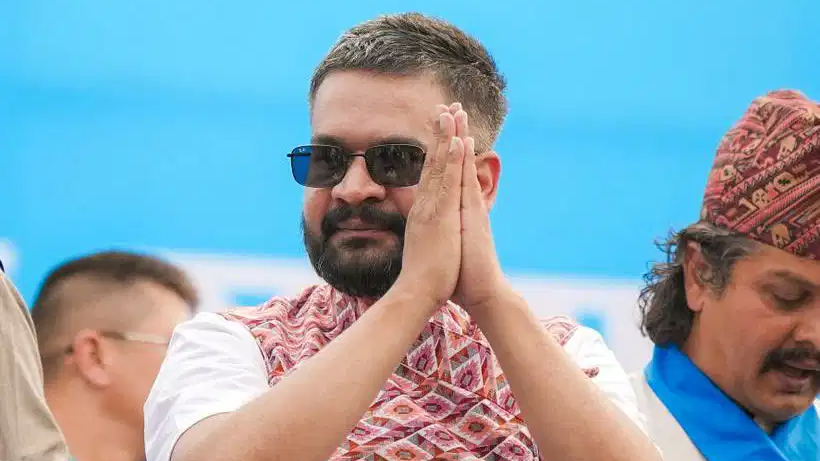
Early trends indicate that Balendra "Balen" Shah, the rapper-turned-politician who is contesting the parliamentary election from the Rastriya Swatantra Party (RSP) for the coveted post of the country’s prime minister, receiving strong support from the people of various constituencies.
Updates from the election indicate that the party of the rapper-turned-politician is doing very well against the political stalwarts who have been ruling the country for decades.
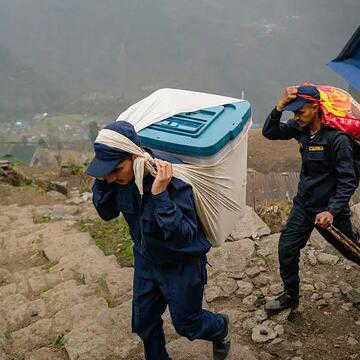
Also Read | Nepal election results 2026: Counting begins as ballots arrive from remote villages
In Sarlahi-4, Nepali Congress president Gagan Thapa is trailing RSP candidate Amresh Kumar Singh, while former prime minister KP Sharma Oli is behind Shah in Jhapa-5, according to early trends.
Elections held after youth uprising
The March 5 election comes months after a wave of youth-led protests shook Nepal’s political system.
The protests started in September 2025, where thousands of youths took to the streets of Kathmandu, protesting against corruption, poor governance and the government's decision to ban several social media platforms.
The protests were intensified when police opened fire on the protesters, leading to several deaths and causing unrest across the country. Government buildings, ministries and political parties were attacked during the protest, leading to the resignation of the government led by KP Sharma Oli.
Also Read | Iran hit by 4.1 magnitude earthquake amid rising US–Israel conflict
An interim government was formed, headed by former chief justice Sushila Karki.
Voters seeking change
The election has been widely viewed as a test of whether Nepal’s long-dominant political figures will retain influence or be replaced by a younger generation of leaders.
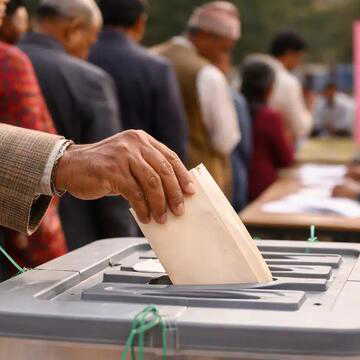
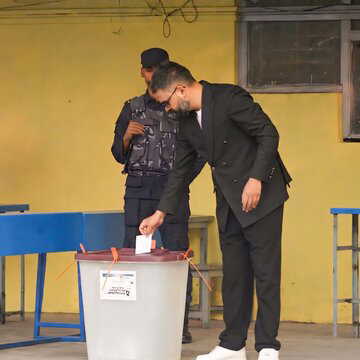
More than 18.9 million voters were eligible to vote to elect 275 members of parliament. Political analysts say a hung parliament remains a possibility, which could lead to coalition negotiations after the results are announced.