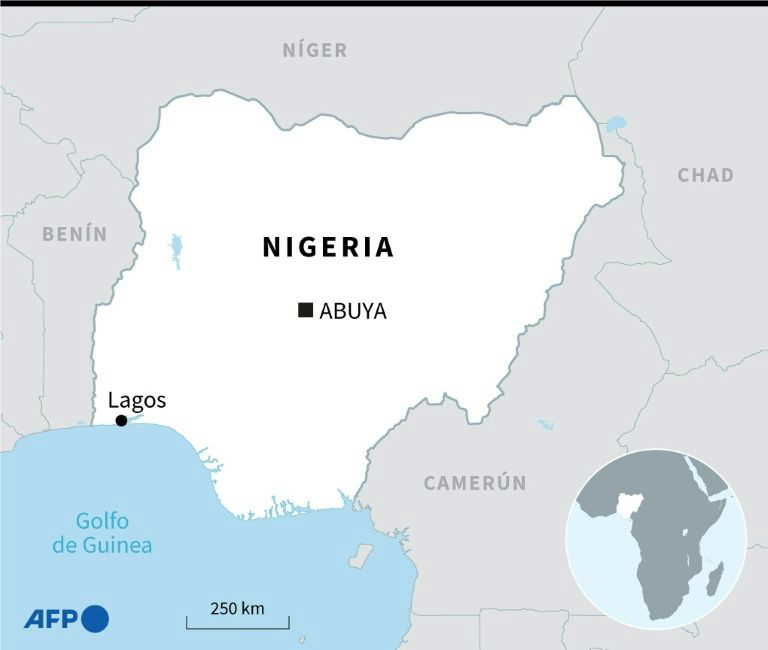
A catastrophic gas explosion ripped through a mining site in Plateau State in central Nigeria, killing at least 38 miners and injuring dozens more, officials and witnesses say. The blast occurred in a region long plagued by unsafe mining practices and poor regulation.
The blast and immediate aftermath
According to Moneycontrol, the explosion took place at a mining site in northern Plateau State, where workers were extracting minerals when a sudden release of underground gas triggered a violent blast. Survivors described a deafening roar followed by smoke, dust and debris, with many workers caught off-guard deep within the mine’s tunnels.
Also Read | Peace talks between Ukraine and Russia end abruptly; Ukraine says Russia 'dragging out' war negotiations
Rescue teams and local volunteers rushed to the scene amid chaotic conditions, battling dangerous pockets of gas and unstable tunnels to retrieve the injured and recover bodies. Hospitals in nearby communities have reported receiving scores of wounded workers, many sustaining burns, fractures and respiratory distress.
Officials confirmed that at least 38 people were killed in the blast, though the toll could rise as rescue efforts continue. Dozens more were admitted to medical centres with varying degrees of injuries, and families of missing workers anxiously awaited news as night fell.
Underlying issues: Safety, regulation, risk
Nigeria’s mining sector has long been associated with unsafe work environments, particularly in small-scale and informal operations where regulatory oversight is limited. Experts say gas buildup, lack of proper ventilation, inadequate safety gear, and absence of trained emergency response contribute to repeated tragedies like this one.
Plateau State, rich in minerals such as tin and columbite, has seen a proliferation of artisanal mining, often conducted with rudimentary tools and minimal safety measures. While mining offers employment opportunities for local communities, the risks are stark, and workers are frequently exposed to hazards that would be tightly controlled in more formal industry settings.
Officials have acknowledged the challenges but are now facing pressure from communities and labour advocates to enforce stricter safety regulations, provide miners with better protective equipment, and engage in thorough monitoring of mining sites to prevent future catastrophes.
The human cost of the blast is being felt across Plateau State and beyond, with families grieving lost loved ones and entire communities mourning men who were often primary breadwinners. Local leaders and civil society groups have called for swift government action to support affected families, provide medical care, and investigate the cause of the explosion.
Also Read | Ukraine President Zelensky accuses Russia of delaying progress after brief Geneva negotiations
Relief efforts are underway, with emergency aid, food supplies and medical support being channelled to survivors and families. Meanwhile, solidarity messages have emerged from across Nigeria, urging both authorities and mining companies to prioritise worker safety over profit.
The gas explosion at the Plateau State mining site is a grim reminder of the dangers that persist in under-regulated industrial sectors. The tragedy underscores a broader need for reform in Nigeria’s mining industry, where livelihoods depend on extraction, but lives must not be risked without proper protections.