The Abraham Accords are back in global headlines after Pakistan publicly rejected calls to join the agreement following renewed pressure from former US President Donald Trump. The issue has once again sparked debates around Israel’s diplomatic ties with Muslim-majority countries and Pakistan’s decades-old foreign policy position.
What are the Abraham Accords?
The Abraham Accords are a series of diplomatic agreements signed in 2020 during Donald Trump’s first presidential term. The agreements were designed to normalise diplomatic, economic, and security relations between Israel and several Arab nations.
The United Arab Emirates and Bahrain became the first countries to officially sign the accords, followed later by Morocco and Sudan. Supporters of the deal described it as one of the biggest diplomatic breakthroughs in the Middle East since the Egypt-Israel peace treaty of 1979.
Also Read | Pakistan rejects Donald Trump’s push to join Abraham Accords amid Iran peace talks
Under the agreement, countries agreed to establish formal ties with Israel in areas including trade, tourism, technology, defence, and investment. The accords also aimed to reduce tensions in the Middle East and improve regional cooperation.
Why is the issue back in focus now?
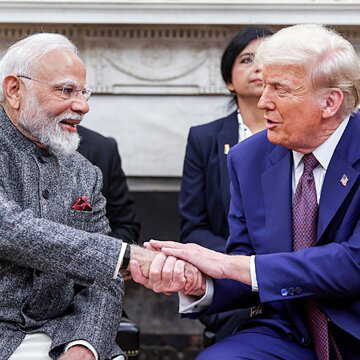
The issue resurfaced after Donald Trump reportedly urged several Muslim-majority nations — including Pakistan, Saudi Arabia, Qatar, Turkey, Egypt, and Jordan, to join the Abraham Accords as part of broader diplomatic discussions linked to Iran and Middle East peace efforts.
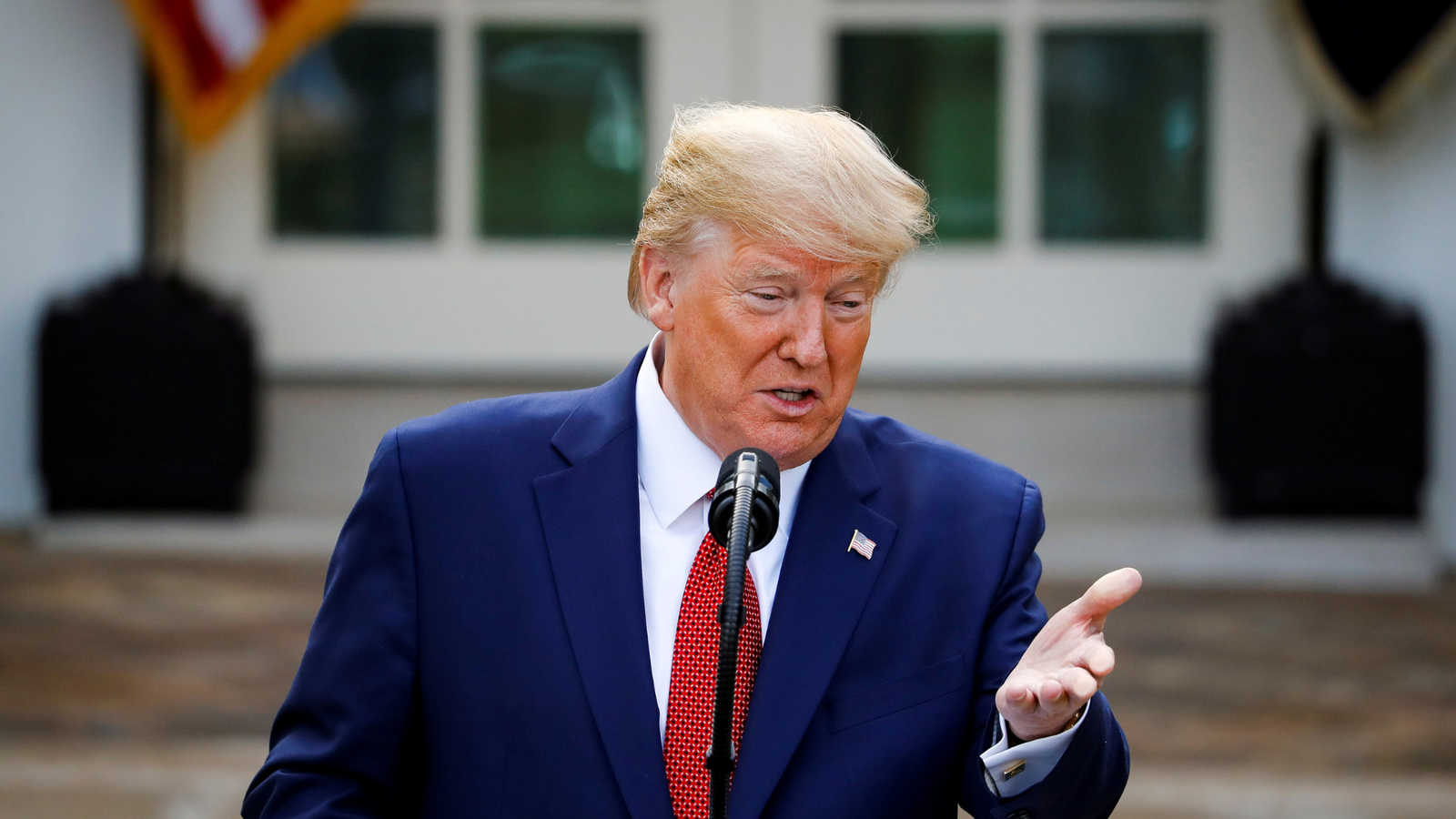
Trump reportedly said that wider participation in the accords could help bring stability and peace to the region. His comments immediately triggered political discussions across several countries, especially Pakistan, where the issue remains highly sensitive.
Why is Pakistan rejecting the Abraham Accords?
According to Hindustan Times, Pakistan has strongly rejected the idea of recognising Israel or joining the Abraham Accords. Pakistani Defence Minister Khawaja Muhammad Asif reportedly said that joining such an agreement would go against Pakistan’s “fundamental ideologies.”
He also questioned engagement with Israel and stated that Pakistan’s position on the issue remains unchanged. According to reports of Hindustan Times, Pakistan is one of the few countries whose passports do not officially recognise Israel as a valid destination.
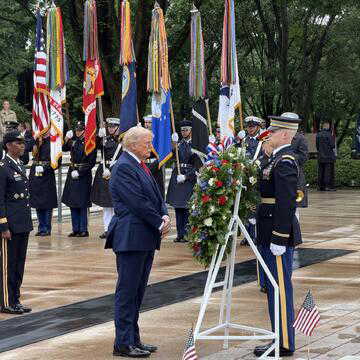
Also Read | Trump honors fallen troops at Arlington during Memorial Day ceremony
The country has maintained for decades that it will not recognise Israel until an independent Palestinian state is established under a two-state solution framework. This policy dates back to Pakistan’s founder Muhammad Ali Jinnah, who opposed the partition plan for Palestine in 1947.
Why is it politically sensitive in Pakistan?
The issue remains politically and emotionally sensitive in Pakistan because public support for Palestine is extremely strong. Several Pakistani leaders, including former Prime Minister Imran Khan and current officials, have repeatedly stated that Pakistan cannot normalise relations with Israel while the Palestine conflict remains unresolved.
The ongoing Gaza conflict has further intensified public opposition to recognising Israel. Reports suggest that even discussions around joining the Abraham Accords could trigger major political backlash within Pakistan.
At the same time, analysts believe the issue places Pakistan in a difficult diplomatic position as it balances ties with the United States, Gulf nations, and domestic political realities.