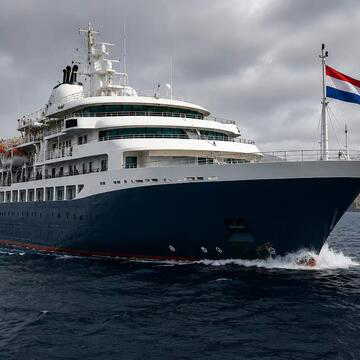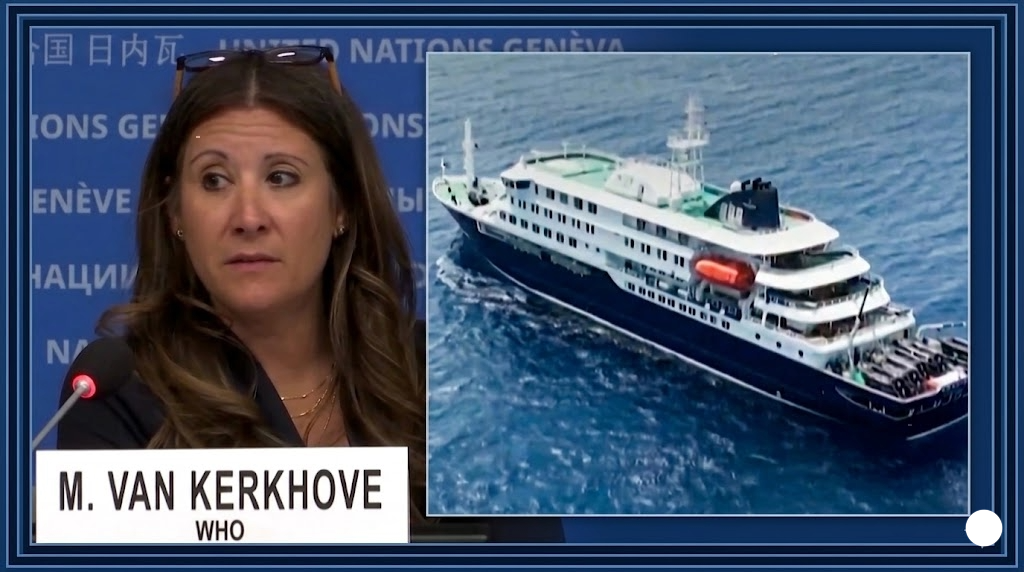
A deadly outbreak of Hantavirus on the cruise ship MV Hondius has raised global health concerns, with several cases reported and deaths confirmed. The situation has led to urgent action from international health authorities.
The World Health Organization (WHO) said several passengers have either tested positive or are suspected to be infected. Efforts are now underway to trace contacts and stop further spread, while the ship remains under close monitoring.
The World Health Organization (WHO) said on Wednesday that eight cases linked to the Hantavirus outbreak on the MV Hondius have been identified, including three confirmed infections. Health authorities are now tracing contacts to stop further spread of the rare Andes strain. The outbreak has already caused three deaths, while at least four others have fallen ill after the ship traveled from Argentina to waters off West Africa.
Also Read | What went wrong aboard the MV Hondius? Inside the deadly hantavirus outbreak
What happened on the cruise ship?
The World Health Organisation (WHO) confirmed two cases, while five more are suspected among passengers on the ship near Cape Verde. The victims include a Dutch couple and a German national, while a British passenger was evacuated and is being treated in South Africa. The outbreak began after the ship left Argentina in April, when a passenger first showed symptoms like fever and headache. Over time, more people fell ill as the ship continued its journey across the Atlantic. Authorities are now closely monitoring the situation and investigating how the virus spread on board.
The outbreak began after the ship departed from Argentina in April 2026. A production of events unfolded when a 70-year-old Dutch passenger developed symptoms such as fever and headache. He later died after respiratory complications, marking the first fatality. Over time, more passengers fell ill, including his wife and another passenger, leading to three confirmed deaths.
How did the virus spread?
As per the Hindu reports, health officials believe the infection may be linked to prior exposure during travel in South America. Hantavirus is usually spread through contact with infected rodent droppings, urine, or saliva. While it does not spread easily between humans, authorities are still investigating how the virus appeared on board the ship.
WHO response and global tracing
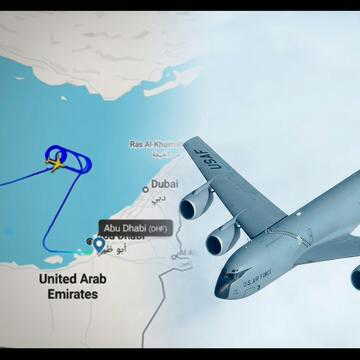
The WHO has launched a global contact tracing effort, including tracking passengers who travelled on a flight between St. Helena and Johannesburg. Passengers and crew have been isolated in cabins with “maximal physical distancing,” reflecting strict containment measures similar to pandemic protocols.
Also Read | Deadly China fireworks factory blast kills 26, dozens injured in massive explosion
Symptoms and treatment of hantavirus
Hantavirus infection usually starts with flu-like symptoms such as fever, fatigue, and muscle aches. In serious cases, it can lead to breathing problems that may become life-threatening. At present, there is no specific vaccine or antiviral treatment, so doctors mainly focus on managing symptoms and giving respiratory support.
The outbreak on the MV Hondius shows how quickly rare infections can spread in closed spaces like cruise ships. Although authorities say the global risk is low, the situation is still being closely monitored. Early detection, proper isolation, and quick action are important to prevent further spread and protect public health.