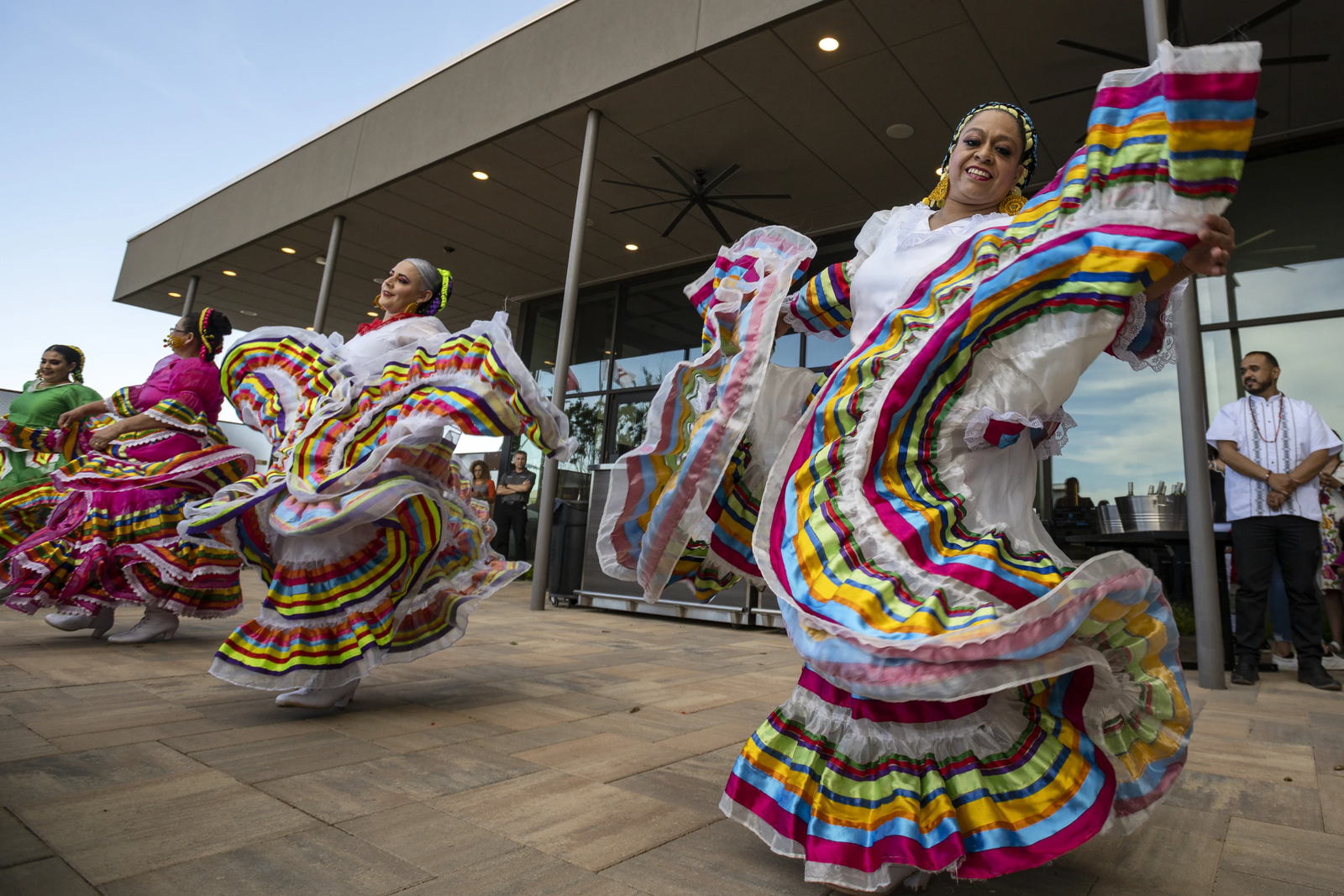
Across the United States, Cinco de Mayo is shaping up to be exactly what it has become in recent decades: a sprawling, block-party celebration of Mexican-American culture, complete with parades, street food, folkloric dance, and enough beer to rival Super Bowl Sunday. Yet in Mexico—the country whose history the date is supposed to honor—May 5 is, for the most part, an ordinary working day.
The holiday marks Mexico's victory over the French Imperial Army at the Battle of Puebla on May 5, 1862, led by General Ignacio Zaragoza. Despite its significance, the day is not a national holiday in Mexico—businesses stay open and most people report to work as usual. The exception is the state of Puebla, where the battle was fought. There, the date is observed with parades, speeches, and dramatic reenactments of the 1862 battle. The rest of the country largely looks on.
Also Read | Who is Nick Stewart? Trump appoints adviser as Iran talks hit roadblock
Did you know? 🇲🇽📚
— Kern County Family Magazine (@family_kern) May 3, 2026
Cinco de Mayo isn’t Mexico’s Independence Day—that’s Sept 16. The holiday actually honors the Battle of Puebla and a surprising Mexican victory in 1862. Mostly celebrated in Puebla, it’s become a big cultural celebration in the U.S. 🎉🌶️ pic.twitter.com/iaHzZm2mAa
From civil rights symbol to commercial spectacle in the US
In the United States, Cinco de Mayo gained cultural momentum in the 1960s as a symbol of Mexican-American identity and pride, and in 2005, the US Congress officially recognized the observance. Its commercial explosion, however, came earlier.
The day gained nationwide popularity in the 1980s, driven largely by advertising campaigns by beer, wine, and tequila companies. Beer sales on Cinco de Mayo are now on par with those during the Super Bowl. The biggest festivities are held in Los Angeles, but Chicago, Houston, and numerous other cities with sizable Latino populations also stage significant events.
Also Read | US launches 'Project Freedom' amid Iran tensions, here's what it means
La historia cobra vida en el Palacio Municipal! ✨ Del 3 al 5 de mayo, disfruta el videomapping "Cinco de Mayo 164 Aniversario". Funciones: 7:30 a 10:00 PM (cada 30 min). Un homenaje a la valentía poblana frente al ejército francés. 🇲🇽🎥 #Puebla #5DeMayo pic.twitter.com/rjdeCR90gL
— Juan Carlos Valerio (@JCarlos_Valerio) May 4, 2026
Celebrations unfold amid immigration tensions and political strain
However, the celebrations this year are taking place amid a contentious political backdrop. Citing worries that the city has become a target for federal immigration enforcement officials, the organizers of Chicago's Cinco de Mayo parade announced the event's cancellation.
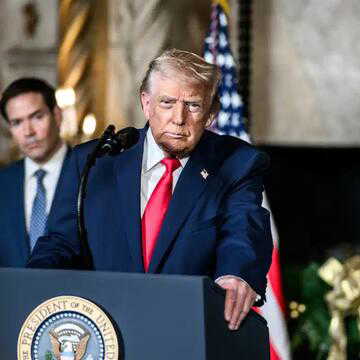
The tension is hard to ignore: President Trump's administration has continued to label Mexican immigrants as criminals and gang members, sought to end birthright citizenship, and renamed the Gulf of Mexico to the Gulf of America—all while the annual celebration of Mexican culture proceeds across the country.
Misconceptions persist as the history of the Puebla battle fades
A recurring misunderstanding of what is being commemorated is at the heart of the celebrations. About 40% of Americans think Cinco de Mayo is Mexico's Independence Day, which is officially held on September 16.
Only about one in ten people correctly identify the holiday as commemorating the Mexican